
Gut health testing
A PCR stool test that shows which good bacteria, harmful microbes and parasites are in your gut. Four panels from R2,500, or R269 if you only need an H. pylori test. Collect at home or at a walk-in lab, with no doctor's referral.
Find your gut test
Two quick questions and we'll point you to the gut test that fits, with how the sample works and when your results come.
What do you want to find out?
This helps you choose a test. It isn't a diagnosis. If you're unsure, WhatsApp us your symptoms and we'll help.
Which gut test do I need?
Start with what you want to know. Each panel below says who it is best for and what it covers.
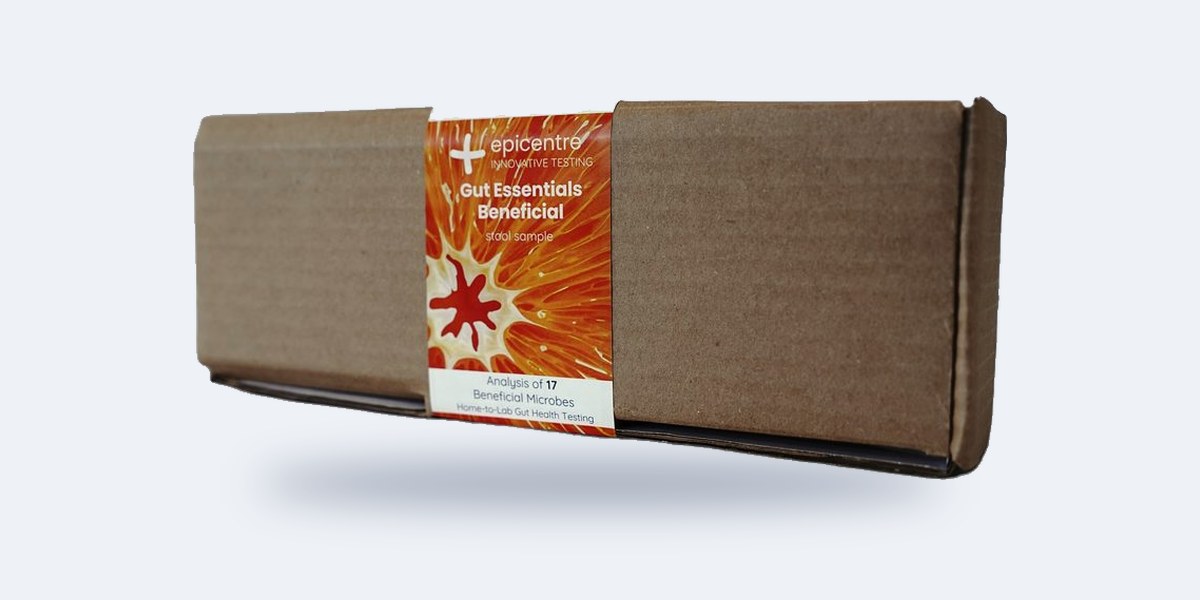
Gut Essentials
R2,500Best if you want to know whether your good bacteria are healthy.
17 beneficial bacteria, including Lactobacillus, Bifidobacterium, Akkermansia and Faecalibacterium. A good baseline before or after changing your diet or probiotic.
- Good bacteria
- Harmful microbes
- H. pylori
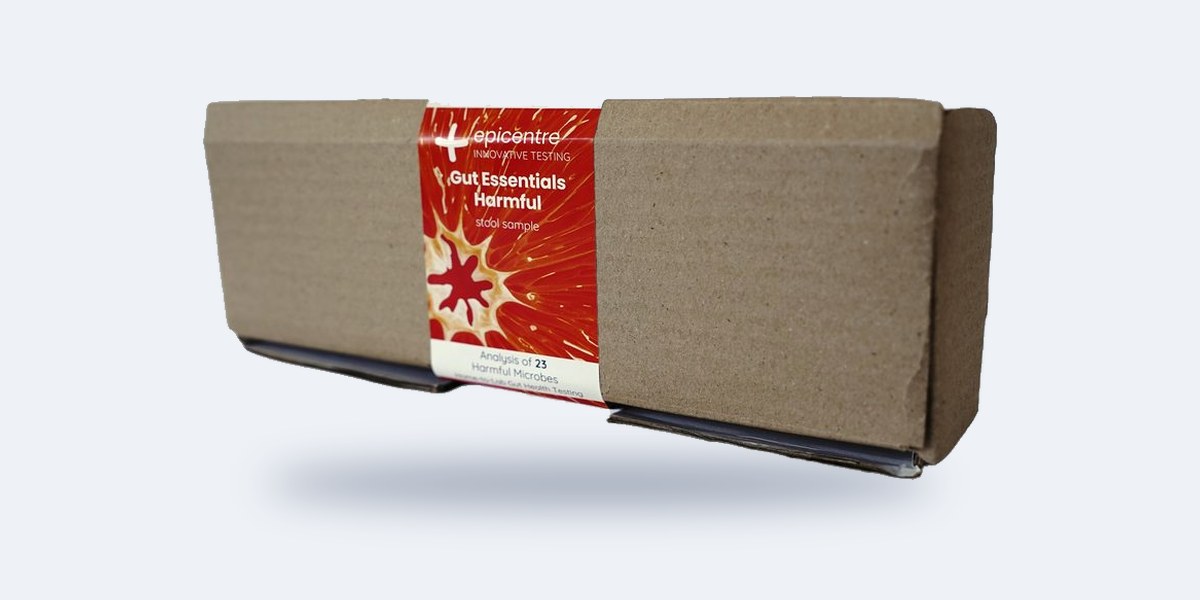
Gut Essentials: Harmful Microbes
R2,500Best if you have symptoms: diarrhoea, bloating, stomach upset after travel, or a suspected infection.
23 harmful organisms: disease-causing bacteria such as Salmonella and Campylobacter, five disease-causing E. coli types, C. difficile, Candida, four parasites and H. pylori.
- Good bacteria
- Harmful microbes
- Parasites
- H. pylori
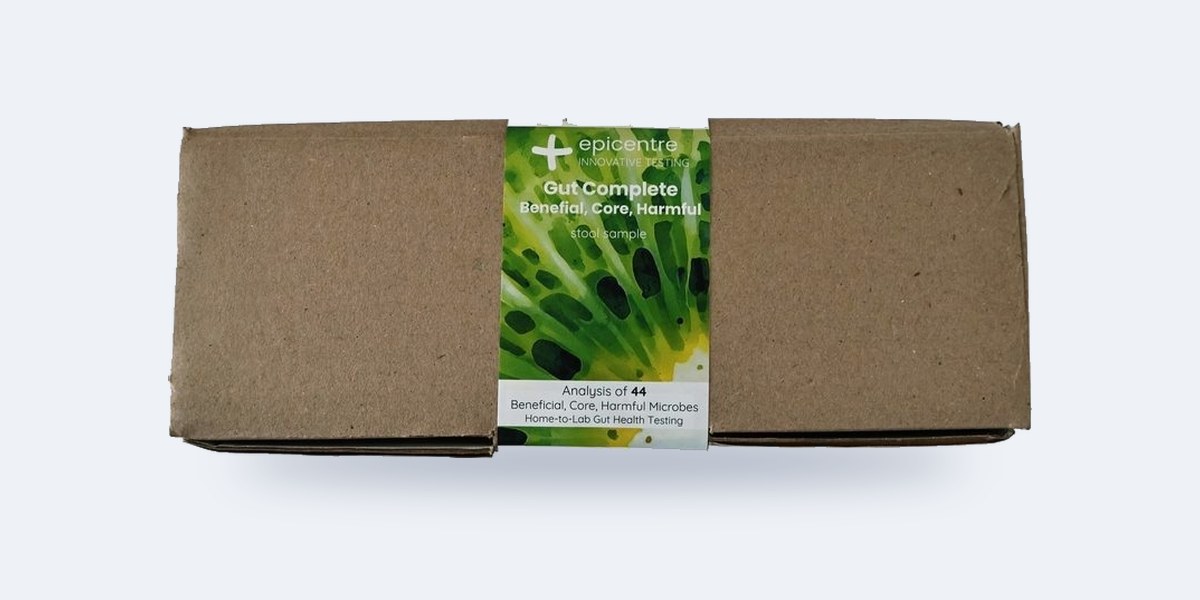
Complete Gut Profile
R4,500Best if you want the full picture. Our most popular gut test.
44 targets: everything in both Essentials panels, the good bacteria and the harmful organisms, in one test.
- Good bacteria
- Harmful microbes
- Parasites
- H. pylori

Gut Deep Dive and disease association
R5,950Best if you want the full picture and how it relates to health conditions.
The same 44 targets as the Complete Gut Profile, plus a Disease Association Report linking your results to conditions studied in the research literature, such as IBS and inflammatory bowel disease.
- Good bacteria
- Harmful microbes
- Parasites
- H. pylori
- Disease report
Only need an H. pylori test? For heartburn, reflux or stomach pain, the H. pylori stool antigen test is R269. You do not need a gut panel for this.
Ask about the R269 testAll four panels are available as a home collection kit. Payflex: 4 interest-free payments. Students get 5% off gut panels with Varsity Vibe. Prices include VAT.
How it works
Get your kit
Order a home kit from the test page above, or collect one at any of our three branches.
Collect your sample
Follow the instructions in the kit. It takes about 5 minutes. The liquid in the tube preserves the sample, so keep it at room temperature, away from moisture and sunlight. Do not refrigerate it.
Send it back
WhatsApp 072 843 7564 once you have collected it. Then book a courier pickup through the same number, or drop it off at a branch the same day or the next working day.
Get your results
By email within 14 working days of the lab receiving your sample, with a breakdown of every organism tested.
Where to collect your kit
Prefer not to have it delivered? Choose Pick up at checkout and collect your gut health kit from any of our three branches. Take your sample at home, then we collect it from you.
Epicentre Observatory
24 Lower Main Road
Observatory, Cape Town, 7925Directions to Epicentre Observatory (opens Google Maps)Epicentre Hillcrest
2 Knelsby Avenue
Hillcrest, Durban, 3610Directions to Epicentre Hillcrest (opens Google Maps)Epicentre Parktown North
2 7th Avenue
Parktown North, Johannesburg, 2193Directions to Epicentre Parktown North (opens Google Maps)
Our partner practices and pharmacies stock sexual health kits only, so gut health kits come from a branch or by courier.
What's in the kit
Everything you need comes in one small, plain box. It takes about 5 minutes and there are no needles.
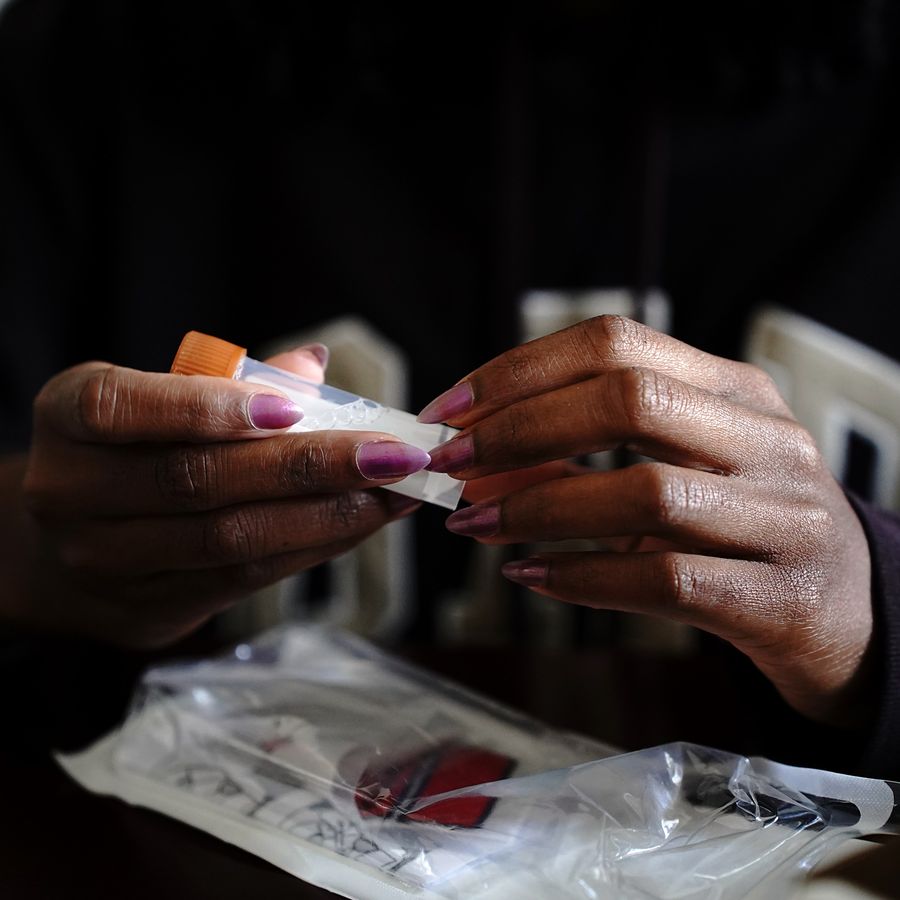
 Stool catcherSticks across the toilet seat so the sample never touches water.
- Collection tubeOne small scoop goes in. The liquid preserves it, so no fridge.
- Picture instructionsStep by step, with drawings, so you know exactly what to do.
- Sealed return bagThe tube goes in here, then back in the box for pickup or drop-off.
 Stool catcher
 Collection tube
 Picture instructions
 Sealed return bag
See a kit arrive
One of our ambassadors opened a Gut Essentials kit and talked through it on camera.
Our ambassadors are partners of Epicentre. Their views are their own and aren't medical advice.
Before you collect
- Avoid alcohol, laxatives and anything likely to cause diarrhoea.
- For a true baseline, stop probiotic supplements 2 weeks before. To see whether your probiotic is working, keep taking it.
- Wait 2 weeks after finishing a course of antibiotics.
- A firm sample is best. If you have ongoing diarrhoea, collect anyway: the test may help find the cause.
What each panel tests for
Good bacteria (Gut Essentials, Complete and Deep Dive)
Akkermansia muciniphila, Faecalibacterium prausnitzii, Roseburia hominis, Streptococcus thermophilus, Bifidobacterium (genus, bifidum, breve, lactis, longum) and Lactobacillus (genus, acidophilus, gasseri, helveticus, paracasei, plantarum, reuteri, rhamnosus).
Harmful organisms (Harmful Microbes, Complete and Deep Dive)
Bacteria: Salmonella, Campylobacter, Yersinia enterocolitica, Vibrio, Plesiomonas shigelloides, C. difficile, Klebsiella pneumoniae, Staphylococcus aureus, Enterococcus faecalis, Haemophilus influenzae, Streptococcus pneumoniae.
Disease-causing E. coli: EPEC, EAEC, ETEC, STEC and EIEC/Shigella.
Parasites: Giardia lamblia, Cryptosporidium, Entamoeba histolytica, Cyclospora cayetanensis.
Yeast: Candida albicans. Stomach: Helicobacter pylori.
The Complete Gut Profile and Deep Dive also measure core gut bacteria, including Bacteroides and Prevotella. What each microorganism does
What your report shows
Every microbe tested is listed with a clear result, what it does in your gut, and food and lifestyle steps to support it.
| Microbe | What it does | Your result |
|---|---|---|
| Akkermansia muciniphila | Supports the gut barrier and calms inflammation | Optimum |
| Bifidobacterium bifidum | Helps digestion and immune health | Moderate |
| Faecalibacterium prausnitzii | Makes butyrate, which feeds the cells lining your colon | Low, needs support |
Low result? The report suggests foods that feed it, for example resistant starch from cooled potatoes, legumes, oats and barley.
- Gut Essentials17 good bacteria, each with a result and food suggestions.
- Complete Gut Profile44 good, core and harmful microbes, with what each harmful one means.
- Gut Deep DiveEverything in the Complete Gut Profile, plus how your microbiome compares for 35 health traits.
Your report is written to share with your doctor or practitioner. It is not a diagnosis.
Blood tests that go well with a gut test
A stool test shows what lives in your gut. These blood tests show whether your gut is absorbing nutrients well and whether there is inflammation. They need a blood draw at a walk-in lab.
- CRP and ESRGeneral inflammation markersR127 and R79
- Iron studiesIron, ferritin and transferrinR459
- Vitamin B12Absorbed in the small intestineR206
- Vitamin DLow levels are common when absorption is poorR300
- ZincRead alongside CRP, which lowers itR722
If gluten is a suspect, see our coeliac blood test. See every test and price.
Frequently asked questions
Which gut test should I choose?
Good bacteria only: Gut Essentials (R2,500). Symptoms or a suspected infection: Harmful Microbes (R2,500). Both together: Complete Gut Profile (R4,500). Both plus a disease association report: Gut Deep Dive (R5,950). H. pylori only: the stool antigen test (R269). Still unsure? WhatsApp us your symptoms.
How long do results take?
14 working days from when the lab receives your sample. Gut panels take longer than our other PCR tests, which usually take 5 to 7 working days.
Do I keep the sample in the fridge?
No. The liquid in the tube preserves it. Keep it at room temperature, away from moisture and sunlight, and return it the same day or the next working day. Branches are open Monday to Friday, 08:30 to 16:00.
What is the cheapest way to test for H. pylori?
The H. pylori stool antigen test at R269. H. pylori is also in the Harmful Microbes, Complete and Deep Dive panels, but you only need those if you want the wider picture. Read about H. pylori in South Africa.
Can my baby or child do a gut test?
Yes. All the gut panels work at any age, including infants. Take the sample from a freshly changed nappy into the container in the kit.
Should I stop probiotics or wait after antibiotics?
For a true baseline, stop probiotic supplements 2 weeks before testing and wait 2 weeks after finishing antibiotics. If you want to see whether your current probiotic is working, keep taking it and test.
Not sure which test is right?
Send us your symptoms and we will point you to the right one.
Kit pickup, drop-off and walk-in labs: Observatory (Cape Town), Hillcrest (Durban), Parktown North (Johannesburg). Monday to Friday, 08:30 to 16:00. Practice #1117394. Epicentre is a testing laboratory and does not diagnose or treat; please discuss your results with your healthcare practitioner.