Did you know there’s been a big gap in HIV treatment for children in South Africa (SA) for decades? Cipla and DNDi have launched a new child-friendly 4-in-1 antiretroviral treatment for young children living with HIV in South Africa, and it is game changing (Gonzalez, 2022).
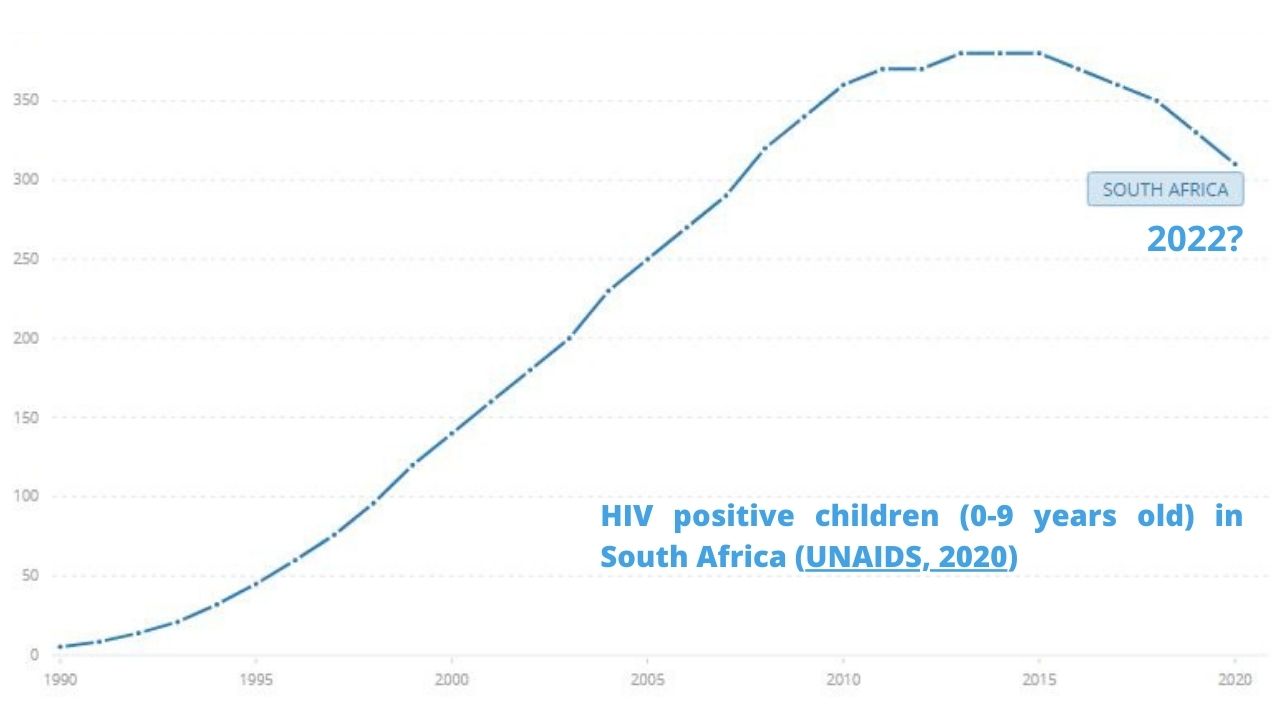
South Africa has the world’s largest HIV treatment programme, and it is estimated that there are over 310 000 HIV infected children in SA (Schlatter et al., 2016). This means that 90% of all children living with HIV are in sub-Saharan Africa (Schlatter et al., 2016).
Yet in this country, these kids have really struggled to access child-friendly forms of HIV medication (Gonzalez, 2022).
That is why many people are excited about the rollout of the child-friendly HIV medication, even if this drug very late to the party (Gonzalez, 2022).
What Is This Child Friendly Medication?
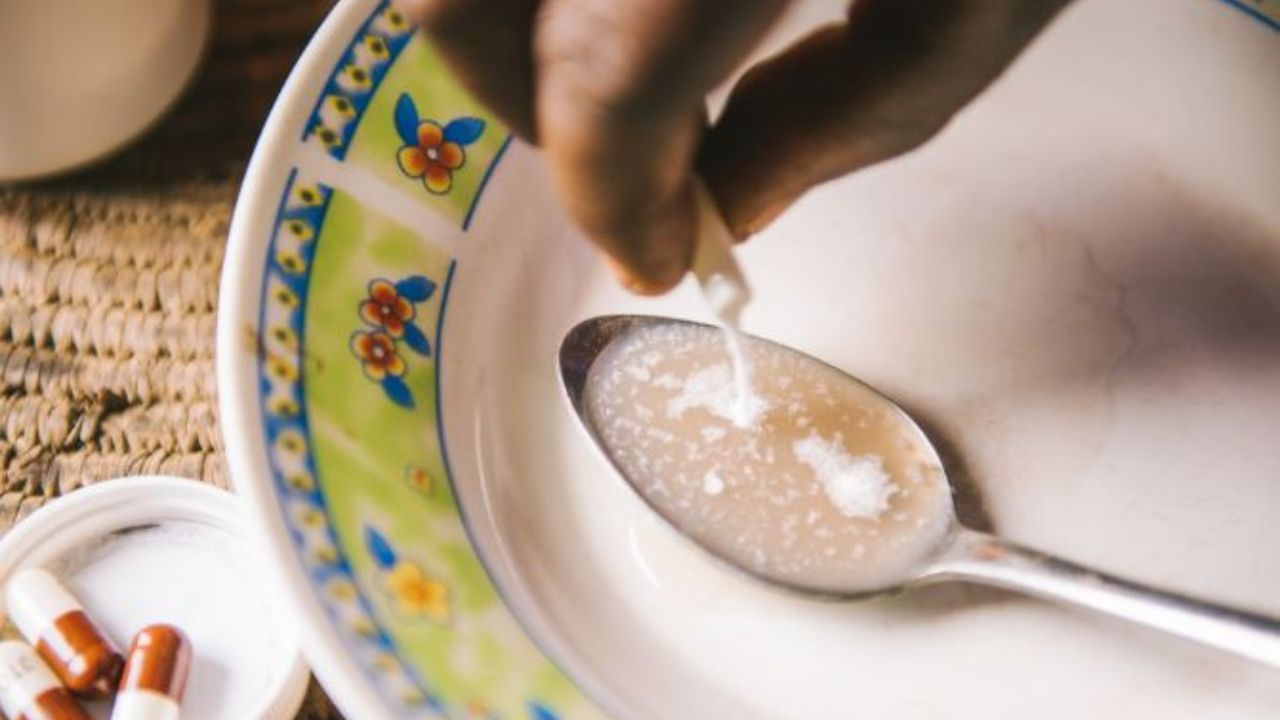
The South African Health Products Regulatory Authority (SAHPRA) has approved a sweet-tasting, heat-stable (no refrigeration necessary), ‘4-in-1’ fixed-dose combination of four antiretroviral (ARV) treatments.
This combination treatment was specially developed for babies and young children with HIV, by Cipla Limited and the not-for-profit Drugs for Neglected Diseases initiative (DNDi) (Gonzalez, 2022).

What Kid ARVs Are Currently Available in South Africa?
Currently, infants and children take their HIV medication via a low dosage syrup and older children take their medication as a stronger pill.
Why Do We Need More Child Friendly HIV Medications?
What about kids that are too big for the syrup to be really effective and can’t yet swallow a pill? Many parents have been forced to give their children ARV syrup multiple times a day, every day, for years. Anyone that’s had busy young children can imagine the stress this would cause.

For one, there is the worry that a crèche or caregiver might forget a dose, or a dosage might be given incorrectly. If this happens, the virus might mutate and develop a resistance against that medication (WHO, 2021).
That is a lot to put on any parent. Especially when studies show that many parents of HIV positive children have battled to get their kid to take their meds due to a bitter taste and complexity of these treatment regiments (Schlatter et al., 2016).
Despite this, it cannot be ignored that treating children for HIV is critical because it saves lives. This can be seen so clearly in a study that was done in Mpumalanga Province.
They interviewed parents of 880 HIV positive children aged 0-5, and found that although the amount of paediatric (child) HIV has steadily gone down – nearly half (44%) of all children’s deaths in South Africa are HIV-related (Muragea et al., 2013).
Why Did It Take So Long?
South Africa might be the last African country to make this drug available to HIV positive children (Gonzalez, 2022).
This is because there has been a gap between issuing guidelines recommending the medication 3 years ago and actually providing access today. Doctors have been forced to apply for access on a case-by-case basis.
The hold up has essentially been related to SAHPRA and its medication registration process (Gonzalez, 2022). Other African countries have been able to introduce this medication faster because they are able to accept the World Health Organization (WHO) approval, which is known in the medical world as a pre-qualification (Gonzalez, 2022).
It’s debatable which system is better. It is obviously good to run our own trials and look to more conclusive clinical trial testing. This double-checks something as important as HIV medication, especially when it is being given to vulnerable, sick young children. But it certainly also slows the process down.
Is Everything Better Now? = Yes & No
This medication is not yet widely available. Major changes are coming to policy, but the impact of COVID-19, and flooding has really been felt by these children.
Archary, who works in a major hospital in the port city of Durban, has said that he is seeing more of these children lost to follow-up and battling hunger, than before. Many parents have been forced to move around as they battle with finances or the elements (looking at you KZN floods) and so needed to move homes, forcing parents to use different clinics to treat their children.

Like Our Articles?
If you want to read more articles like this, join our monthly newsletter! We release insider info on what the health research industry is taking a look at each month.