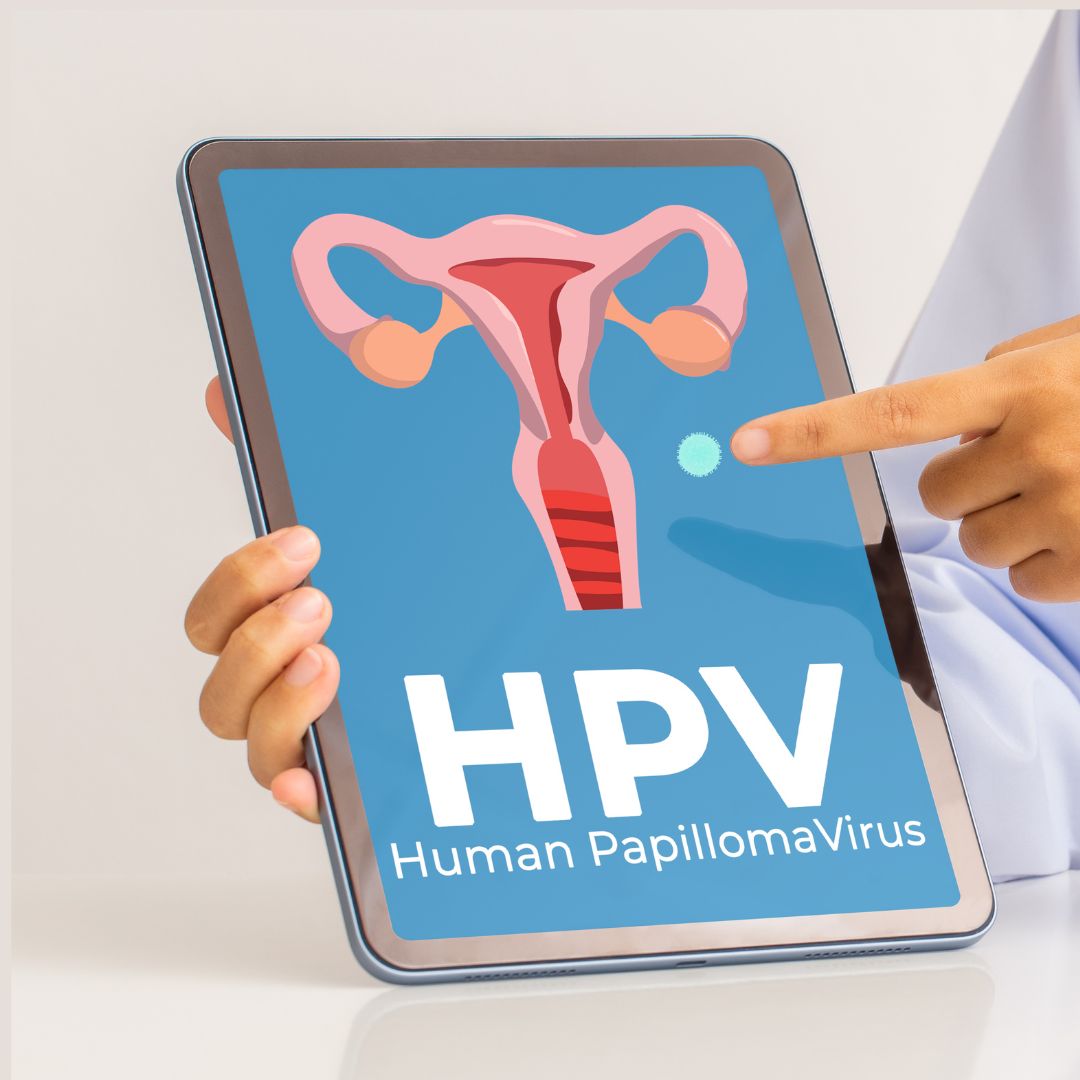
HPV causes 9 out of 10 cases of cervical cancer, and 66.7% of South African women have it (Zizipho et al., 2018).
But that’s doesn’t mean that everyone in South Africa is equally at risk. There is a divide in who has access to HPV prevention, vaccination and treatment programs, as well as cervical cancer screenings. This is a big problem both in SA and across the world.
This is because:
1) High-income countries have programs in place that allow women to detect HPV and cervical cancer early.
2) While low to middle-income countries (like South Africa) do not have the same medical prevention and treatment programs, or if they do, their availability is limited to those with the money to pay for them (WHO).
HPV and Cervical Cancer: How Are They Related? Quick Facts
✔ HPV is the most common viral infection affecting the reproductive system. It is responsible for over 95% of cervical cancer cases, making it a significant public health concern.
✔ Many sexually active women and men will contract HPV in their lifetime, and some may even experience multiple infections. However, the majority of individuals recover from the virus quickly, with up to 90% bouncing back.
✔ Raising awareness about HPV helps educate the public about preventative measures such as vaccination and regular screening, as well as treatment options.
✔ Women in the general population should start cervical cancer screenings at age 30 and have regular tests (every 5–10 years) using reliable HPV results. Women living with HIV should start at age 25 (per WHO guidelines).
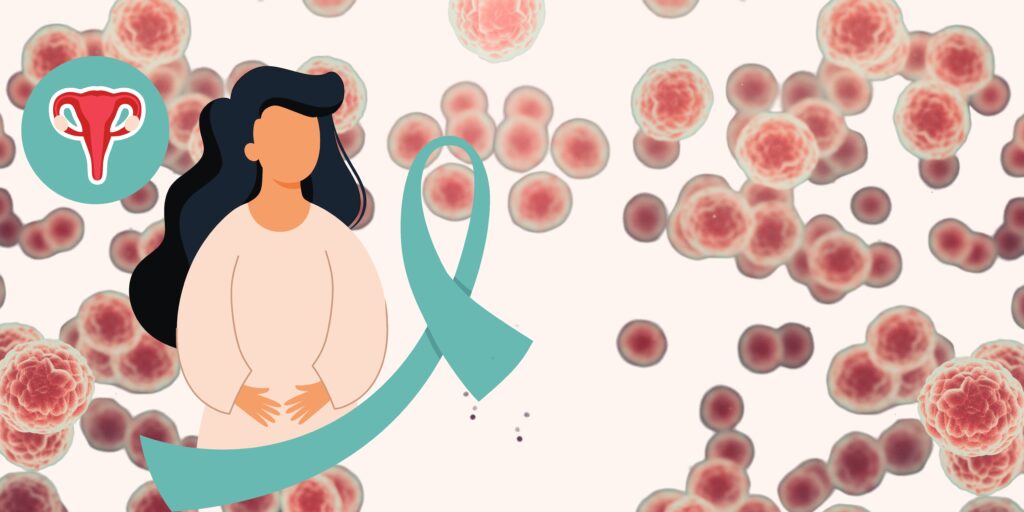
How To Prevent Cervical Cancer
✔ At Epicentre’s Walk-in-Labs, you can get a Carcinoembryonic Antigen (CEA) test as part of our women’s wellness package.
This small test, at a starting price of just R320, helps detect a significant impact on your health. Get tested today for peace of mind.
How Can Cervical Cancer Be Diagnosed?
Cervical cancer can be diagnosed through histopathologic analysis. This involves examining tissue samples to confirm the presence of cancer. Once a diagnosis is made, the next step is to determine the stage of the disease. This is based on the size of the tumor and how far it has progressed. The information gathered from staging helps guide the treatment plan.
How Can Cervical Cancer Be Treated?
Cervical cancer treatment is determined by the stage of the cancer. Your doctor will discuss your treatment options with you. These may include surgery, radiotherapy, or chemotherapy. For advanced cases of cervical cancer, relieving pain and discomfort is important, so hospice care may also be a crucial part of the cancer management plan.
True or False:
FAQ About Cervical Cancer and HPV
✔ Cervical Cancer is a preventable disease and is curable if detected early
TRUE: Early detection is key (WHO).
✔ It is among the most prevalent cancers and contributes to the majority of cancer-related deaths in women worldwide
TRUE: This is because low and middle income countries do not have the same access to health resources that high-income countries have (WHO).
✔ HIV-positive women are not more vulnerable to HPV or cervical cancer than other women.
FALSE: Contrary to popular belief, HIV-positive women are more vulnerable to HPV and cervical cancer due to weakened immune systems, so extra caution and preventative measures are necessary (per WHO).
✔ HPV vaccines aren’t available for women until they have had intercourse
FALSE: Vaccines are available for girls from 9 years of age (WHO).



Your Walk-in Lab Partner

072 843 7564