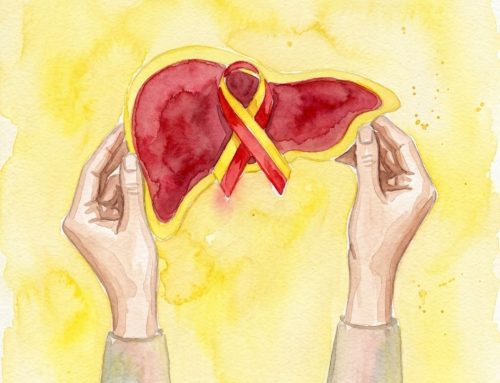
PCOS is now PMOS
In May 2026 the condition was formally renamed. Nothing about it changed: not the criteria, not the tests, not your diagnosis. What changed is a name that had been quietly misleading people for forty years. Here is what it means in practice.
In short
- Polycystic ovary syndrome is now polyendocrine metabolic ovarian syndrome, PMOS, following a global consensus published in The Lancet.
- The condition, the criteria and the tests are unchanged. If you were diagnosed with PCOS, you have PMOS.
- Both names will be in use for roughly three years, including in test and package names.
- The new name puts the metabolic side in the title, which is the part that used to go unscreened.
No doctor's referral, no appointment. Walk in Monday to Friday, 08:30 to 16:00, at our Cape Town lab in Observatory, our Johannesburg lab in Parktown North, or our Durban lab in Hillcrest.
What changed, and when?
On 12 May 2026, a consensus process published in The Lancet renamed polycystic ovary syndrome to polyendocrine metabolic ovarian syndrome, shortened to PMOS. The condition affects roughly one in eight women. Its definition, its diagnostic criteria and the tests used to assess it are all unchanged.
Adoption is deliberately gradual, planned across about three years, so both names will circulate for some time. Epicentre's panel is still called the PCOS Metabolic Panel, medical aid codes still say PCOS, and most doctors will use whichever their patient used first. Nothing turns on which word you use.
Why was the old name wrong?
Two words in it were doing damage: "cystic" and "ovary". The first described something that is not there, and the second pointed at the wrong part of the body.
The cysts are not cysts
What shows up on an ultrasound in this condition is not a cyst in the medical sense. It is a collection of small follicles that have not matured. That distinction sounds academic until you see what it caused: women told their ultrasound looked normal and therefore they did not have the condition, when ovarian appearance is only one of three criteria and not a required one. Others assumed that any ovarian cyst meant they had it.
It was never only about ovaries
The bigger cost was the word "ovary". It framed a whole-body endocrine and metabolic condition as a gynaecological one, which shaped who treated it and what got measured. Insulin resistance is present in a large majority of people with PMOS, including many who are not overweight, and it went unscreened because nothing in the name suggested looking for it.
This is why the panel looks the way it does. A PMOS workup is not a hormone panel. It is a hormone panel with a metabolic workup attached, covering insulin, lipids and inflammation alongside the androgens. The new name simply says so out loud.
How is PMOS diagnosed?
Under the 2023 international guideline, an adult diagnosis needs two of three features: raised androgens, either clinically or on a blood test; irregular or absent ovulation; and either polycystic ovarian morphology on ultrasound or a raised anti-Mullerian hormone.
The 2023 update added AMH as an alternative to ultrasound, and that matters more in South Africa than it might elsewhere, because a transvaginal scan is not always quick or affordable to arrange. A blood test that can stand in for a scan removes a real barrier.
The part people find surprising: where irregular cycles and raised androgens are both present, you do not need an ultrasound or an AMH to be diagnosed. Roughly seven in ten cases fall into that group.
In adolescents this is different. The guideline says neither ultrasound nor AMH should be used to diagnose in adolescence, because normal puberty looks too much like PMOS on both. Diagnosis needs raised androgens and ovulatory dysfunction together. Where features are present without meeting criteria, the recommendation is to reassess later rather than to label early.
What can testing actually settle?
Testing does three jobs in PMOS: it measures androgens, it rules out other conditions that produce the same symptoms, and it maps the metabolic risk the old name hid. It cannot diagnose you on its own.
Ruling out matters more than people expect. Thyroid disease and raised prolactin both produce irregular cycles, and both are treatable and cheap to check. Neither should be assumed away.
The metabolic side is where a South African picture is worth having. Among women referred to a Cape Town teaching hospital with the condition, unfavourable lipid results were common, with raised LDL cholesterol in more than 40% of a cohort of over 1,700. That is measurable in a routine blood test long before anything is felt.
The panel, and when to come in
PCOS Metabolic Panel, R5,425. Seventeen markers covering androgens, insulin signalling, thyroid, inflammation and nutritional status. Fasting, morning draw between 7 and 10am, on day 2 to 4 of your cycle. Results emailed, encrypted, in 2 to 5 working days.
If your cycles are irregular enough that day 2 to 4 is hard to plan, send your last two period dates on WhatsApp and the team will work it out with you.
Payments over R1,200 can be split into four interest-free instalments over six weeks. Students with a Varsity Vibe ID and pensioners get 10% off. Prices are 2026 cash rates including VAT and may change; in-store pricing applies.
Where we stop. Epicentre is a laboratory. We test and we report, and we do not diagnose, prescribe or treat. A PMOS diagnosis is made by a doctor reading your results alongside your history and an examination. If you do not have someone to take results to, the branch team can refer you.
Frequently asked questions
Is PCOS still called PCOS?
Both names are in use. In May 2026 a global consensus published in The Lancet renamed polycystic ovary syndrome to polyendocrine metabolic ovarian syndrome, or PMOS. Adoption is planned across about three years, so PCOS will remain in wide use in test names, package names, medical aid codes and everyday speech. The condition, the diagnostic criteria and the tests are unchanged.
Why was PCOS renamed?
For two reasons. The cysts in the old name are not cysts: what appears on an ultrasound is a collection of small follicles that have not matured, which led to people being told their scan was normal and therefore they did not have the condition. And the word "ovary" framed a whole-body endocrine and metabolic condition as a gynaecological one, which meant the metabolic side went unscreened.
Does the new name change my diagnosis?
No. If you have been diagnosed with PCOS you have PMOS. It is the same condition with the same criteria, and nothing about your results, your history or your management changes because of the name.
Do I need a blood test to diagnose PMOS?
Not always. Under the 2023 international guideline an adult diagnosis needs two of three features: raised androgens clinically or on a blood test, irregular or absent ovulation, and either polycystic ovarian morphology on ultrasound or a raised AMH. Where irregular cycles and raised androgens are both present, neither ultrasound nor AMH is needed. Blood tests are still used to rule out other causes and to check the metabolic side.
Can PMOS be diagnosed in teenagers?
With more caution. The 2023 guideline says neither ultrasound nor AMH should be used to diagnose in adolescence, because normal puberty looks too much like PMOS on both. Diagnosis requires raised androgens and ovulatory dysfunction together, and where features are present without meeting criteria the recommendation is to reassess later rather than label early.
Where can I get tested in South Africa?
Epicentre is a walk-in laboratory with branches in Observatory in Cape Town, Parktown North in Johannesburg and Hillcrest in Durban, and no doctor's referral is needed if you are paying cash. The PCOS Metabolic Panel covers 17 markers and costs R5,425. It needs a fasting morning draw between 7 and 10am on day 2 to 4 of your cycle. Results are emailed, encrypted, in 2 to 5 working days.
References
- Teede HJ, Khomami MB, et al. Polyendocrine metabolic ovarian syndrome, the new name for polycystic ovary syndrome: a multistep global consensus process. The Lancet, 12 May 2026. PMID 42119588
- Teede HJ, Tay CT, Laven J, et al. Recommendations from the 2023 International Evidence-based Guideline for the Assessment and Management of Polycystic Ovary Syndrome. Human Reproduction 2023;38(9):1655-1679. doi:10.1093/humrep/dead156
- Marais AD, et al. Dyslipidaemia in women with polycystic ovary syndrome referred to a teaching hospital in Cape Town, South Africa. PMID 38858175
This article is general health information and not medical advice. Epicentre is a diagnostic laboratory: we provide testing and reporting, and we do not diagnose, prescribe or treat. Please discuss any result that needs attention with a doctor.