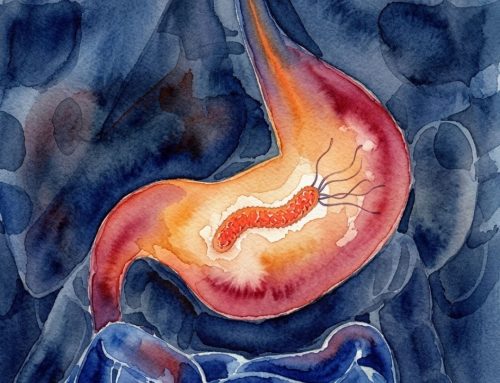
The Ultimate Guide to Faecalibacterium prausnitzii

What is Faecalibacterium prausnitzii?

Faecalibacterium prausnitzii is a crucial bacterium in the human gut microbiome, especially known for its anti-inflammatory properties. This bacterium is one of the most abundant and beneficial species in the intestines of healthy individuals. It helps maintain gut health, particularly by producing butyrate, a short-chain fatty acid that nourishes gut cells and strengthens the gut barrier (He et al., 2021).

What makes Faecalibacterium prausnitzii unique is its ability to reduce inflammation and support immune function. It has been linked to reducing the risk of inflammatory bowel diseases (IBD) like Crohn’s disease and ulcerative colitis, where this bacterium’s abundance decreases. It also helps balance the gut microbiome by outcompeting harmful bacteria, thus preventing infections and gut imbalances (He et al., 2021; Fava et al., 2022).

Faecalibacterium prausnitzii

Faecalibacterium prausnitzii Quick Facts

✔ What it is: A beneficial, anti-inflammatory bacterium that naturally inhabits the human gut, especially in healthy individuals.

✔ What it does: Produces butyrate, a short-chain fatty acid that strengthens the gut lining and reduces inflammation.

✔ Gut health: Helps maintain a healthy gut barrier, preventing “leaky gut” and protecting against harmful microbes.

✔ Immune support: Modulates immune function and reduces inflammation, playing a role in preventing conditions like inflammatory bowel disease (IBD).

✔ Presence: One of the most abundant bacteria in the gut, but its levels are lower in individuals with IBD.

✔ Disease prevention: Linked to a lower risk of Crohn’s disease, ulcerative colitis, and other inflammatory conditions.

✔ Where to find it: Naturally abundant in the colon of healthy individuals, and present in some fermented foods.

Faecalibacterium prausnitzii Can Help Safeguard Your Gut Health

Faecalibacterium prausnitzii plays a crucial role in maintaining a healthy gut. It produces butyrate, a short-chain fatty acid that nourishes the cells of the gut lining, strengthens the intestinal barrier, and reduces inflammation (He et al., 2021). This bacterium helps prevent “leaky gut” — a condition where toxins and harmful substances can pass through the gut lining into the bloodstream, leading to systemic inflammation and increasing the risk of conditions like inflammatory bowel disease (IBD).

By maintaining a healthy gut barrier and regulating immune responses, Faecalibacterium prausnitzii supports the body’s defences against harmful pathogens and reduces the risk of chronic conditions. It has been shown that individuals with higher levels of this beneficial bacterium have lower inflammation levels and a lower incidence of IBD and Crohn’s disease (Fava et al., 2022).

Symptoms of Low Faecalibacterium prausnitzii Levels

Low levels of Faecalibacterium prausnitzii can lead to several gut-related issues due to its role in reducing inflammation, supporting gut barrier integrity, and producing short-chain fatty acids (butyrate) that nourish gut cells. Symptoms of low F. prausnitzii levels may include:

✔️ Increased gut inflammation – Low levels of this bacterium are linked to higher inflammation in the gut, leading to conditions like irritable bowel syndrome (IBS) and inflammatory bowel disease (IBD) (He et al., 2021).

✔️ Leaky gut – Reduced F. prausnitzii can weaken the gut lining, allowing toxins to leak into the bloodstream, which may contribute to autoimmune diseases and chronic inflammation (Fava et al., 2022).

✔️ Digestive issues – You may experience symptoms like bloating, diarrhoea, constipation, and abdominal discomfort.

✔️ Higher risk of infections – Without enough F. prausnitzii, harmful bacteria can thrive, leading to infections or an imbalance in the gut microbiome.

✔️ Poor immune function – A disrupted microbiome may impair your body’s ability to fight infections and inflammation.

Testing your F. prausnitzii levels can help you identify if this bacterium is low and provide insights into improving gut health through dietary changes, prebiotics, or probiotics.

How to Boost Your Faecalibacterium prausnitzii Levels

✔️ Eat more prebiotic foods – Prebiotics like fibre feed beneficial bacteria, including F. prausnitzii. Include high-fibre foods like bananas, garlic, onions, leeks, artichokes, oats, and asparagus in your diet (He et al., 2021).

✔️ Add fermented foods – Fermented foods like kimchi, kefir, sauerkraut, and yoghurt contain live probiotics that support a healthy gut microbiome and may promote F. prausnitzii growth.

✔️ Increase polyphenol-rich foods – Berries, dark chocolate, and green tea are rich in polyphenols, which have been shown to encourage the growth of beneficial microbes like F. prausnitzii (Fava et al., 2022).

✔️ Consider a probiotic supplement – Some probiotic supplements contain Faecalibacterium prausnitzii, which can help restore healthy gut flora, especially after antibiotic treatment.

✔️ Minimise inflammation – Reducing stress, staying hydrated, and getting enough sleep help maintain gut health and encourage a balanced microbiome.

By supporting F. prausnitzii levels, you’ll promote a healthier, more resilient gut, improve digestion, reduce inflammation, and protect against harmful microbes.

Faecalibacterium prausnitzii and Its Potential in Disease Prevention

Faecalibacterium prausnitzii has significant potential in disease prevention due to its role in reducing gut inflammation, supporting immune function, and maintaining the gut barrier. One of its most important contributions is the production of butyrate, a short-chain fatty acid that nourishes gut cells, strengthens the gut lining, and helps regulate inflammation (Fava et al., 2022).

1. Inflammatory Bowel Disease (IBD)

F. prausnitzii is often found in lower levels in individuals with conditions like Crohn’s disease and ulcerative colitis, both of which are forms of IBD. Its anti-inflammatory effects and butyrate production help maintain gut barrier integrity, making it a potential target for managing and preventing flare-ups (He et al., 2021). Low levels of this bacterium have been linked to higher gut permeability, which increases the risk of inflammation and infection.

2. Colon Cancer

Studies suggest that F. prausnitzii helps reduce colon cancer risk by lowering gut inflammation, reducing oxidative stress, and producing butyrate, which has protective effects on colon cells (Fava et al., 2022).

3. Metabolic Diseases

An imbalance in gut microbiota, including low F. prausnitzii levels, has been associated with metabolic diseases such as obesity, diabetes, and metabolic syndrome. By regulating inflammation and supporting a healthy gut, F. prausnitzii may contribute to better metabolic health and weight management.

4. Gut Health and Immune System Regulation

F. prausnitzii helps modulate immune responses in the gut, ensuring a balance between pro-inflammatory and anti-inflammatory pathways. This regulation is crucial in preventing chronic diseases, including autoimmune conditions (He et al., 2021).

How to Test Your Faecalibacterium prausnitzii Levels With Epicentre

Testing your F. prausnitzii levels through Epicentre’s Complete Gut Profile can help identify imbalances before they lead to long-term health issues. If you’re low in F. prausnitzii, you may be at a higher risk for conditions like IBD, colon cancer, or metabolic diseases. Testing gives you the insight you need to make informed decisions about your gut health, including dietary adjustments, prebiotics, or probiotics to help restore balance.

Getting your Bifidobacterium longum level tested with Epicentre is easy! Book your test online to find out your levels now.

Gut Health Packages to Measure Faecalibacterium prausnitzii Levels

  • Complete Gut Profile

    Includes: Akkermansia muciniphila, Bifidobacterium bifidum, Bifidobacterium breve, Bifidobacterium genus, Bifidobacterium lactis, Bifidobacterium longum, Faecalibacterium prausnitzii, Lactobacillus acidophilus, Lactobacillus gasseri, Lactobacillus genus, Lactobacillus helveticus, Lactobacillus paracasei, Lactobacillus plantarum, Lactobacillus reuteri, Lactobacillus rhamnosus, Roseburia hominis, Streptococcus thermophilus, Bacteroides fragilis, Escherichia coli, Prevotella genus, Bacteroides genus, Candida albicans, Clostridium difficile, Enterococcus faecalis, Haemophilus influenzae, Klebsiella pneumoniae, Staphylococcus aureus, Streptococcus pneumoniae, Campylobacter spp., Clostridioides difficile, Plesiomonas shigelloides, Salmonella spp., Yersinia enterocolitica, Vibrio spp., Enteropathogenic E. coli (EPEC), Enteroaggregative E. coli (EAEC), Enterotoxigenic E. coli (ETEC), Shiga-like E. coli (STEC), Shigella/ E. coli (EIEC), Cryptosporidium, Cyclospora cayetanensis, Entamoeba histolytica, Giardia lamblia, Helicobacter pylori.

    Lab results in 5-7 working days. No referral required

  • Gut Essentials Test

    Includes: Akkermansia muciniphila, Bifidobacterium bifidum, Bifidobacterium breve, Bifidobacterium genus, Bifidobacterium lactis, Bifidobacterium longum, Faecalibacterium prausnitzii, Lactobacillus acidophilus, Lactobacillus gasseri, Lactobacillus genus, Lactobacillus helveticus, Lactobacillus paracasei, Lactobacillus plantarum, Lactobacillus reuteri, Lactobacillus rhamnosus, Roseburia hominis, Streptococcus thermophilus

    Lab results in 5-7 working days. No referral required

Core and Harmful Gut Microbes

Escherichia coli

Prevotella genus

Bacteroides genus

Candida albicans

Clostridium difficile

Enterococcus faecalis

Haemophilus influenzae

Klebsiella pneumoniae

Staphylococcus aureus

Streptococcus pneumoniae

Campylobacter spp

Clostridioides-difficile

Plesiomonas shigelloides

Salmonella spp

Yersinia enterocolitica

Vibrio spp

Enteropathogenic E. coli (EPEC)

Enteroaggregative E. coli (EAEC)

Enterotoxigenic E. coli (ETEC)

Shiga-like E. coli (STEC)

Shigella/ E. coli (EIEC)

Cryptosporidium

Cyclospora cayetanensis

Entamoeba histolytica

Giardia lamblia

Helicobacter pylori

Gut Health News

Keep up to date with all the latest developments within the company right here.

Hillcrest testing locations

031 880 2150

sales@epicentre.org.za

Mon – Fri (08:30 to 16:00)

Cape Town testing locations

021 201 1658

salescpt@epicentre.org.za

Mon – Fri (08:30 to 16:00)

Johannesburg testing locations

082 065 2172

salesjhb@epicentre.org.za

Mon – Fri (08:30 to 16:00)

WhatsApp/ Emergency contact Number

072 843 7564

sales@epicentre.org.za

Mon – Fri (08:30 to 16:00)