What Is Bifidobacterium bifidum?
Bifidobacterium bifidum is a type of beneficial bacteria that naturally lives in your gut and is one of the first microbes to colonise the intestines after birth. It plays a key role in maintaining a healthy digestive system by breaking down complex carbohydrates, producing short-chain fatty acids, and supporting the absorption of nutrients.
This bacterium also helps boost the immune system, prevents the growth of harmful bacteria, and may reduce inflammation. B. bifidum is often found in probiotic supplements and fermented foods like yoghurt, as it’s well known for supporting gut health, especially in infants and older adults. Maintaining healthy levels of Bifidobacterium bifidum can contribute to better digestion, a stronger immune system, and overall gut balance.

Common Gut Microbes
Bifidobacterium bifidum
Bifidobacterium bifidum Quick Facts
✔ What it is: A beneficial probiotic bacterium naturally found in the human gut, especially in infants and older adults.
✔ Where it’s found: Commonly present in the colon, breast milk, and fermented foods like yoghurt and kefir.
✔ Digestive health: Helps break down complex carbs and supports nutrient absorption.
✔ Immune support: Strengthens the immune system and helps fight off harmful pathogens.
✔ Anti-inflammatory: Plays a role in reducing gut inflammation and supporting a healthy gut lining.
✔ Supplement form: Often included in probiotic supplements to support gut balance and general well-being.
✔ Age-sensitive: Levels naturally decline with age, making supplementation or diet support important in older adults.
How Bifidobacterium bifidum Can Help Safeguard Your Gut Health
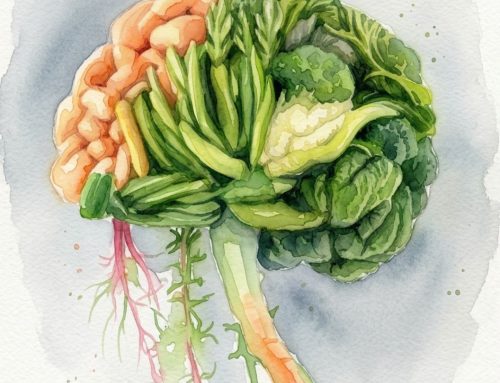
Bifidobacterium bifidum helps safeguard your gut health by supporting digestion, strengthening the gut lining, and keeping harmful bacteria in check. It breaks down complex carbohydrates into short-chain fatty acids, which fuel the cells lining your colon and help reduce inflammation. This probiotic also enhances immune function by stimulating protective immune responses and blocking pathogens from sticking to the gut wall. By maintaining a balanced gut microbiome, B. bifidum reduces the risk of gut-related issues like bloating, diarrhoea, and infections, making it a key player in your overall digestive health.
Symptoms of Low Bifidobacterium bifidum Levels
Low levels of Bifidobacterium bifidum in the gut can lead to a range of symptoms and health concerns due to its important role in digestion and immune function. Common signs of low B. bifidum include:
✔ Digestive discomfort – such as bloating, gas, constipation, or diarrhoea, due to impaired breakdown of carbohydrates and reduced gut barrier protection.
✔ Increased gut inflammation – leading to symptoms like abdominal pain or food sensitivities.
✔ Weakened immunity – as this bacterium helps regulate immune responses and defend against harmful microbes.
✔ Higher susceptibility to infections – particularly gut and respiratory infections.
✔ Skin issues – like eczema or acne, which may be linked to gut imbalance and inflammation.
✔ Mood changes – including anxiety or low mood, due to the gut-brain connection being disrupted.
Maintaining healthy Bifidobacterium bifidum levels is essential for gut balance, immune strength, and overall well-being.
How to Boost Your Bifidobacterium bifidum Levels
To boost your Bifidobacterium bifidum levels and support a healthy gut, try incorporating the following habits:
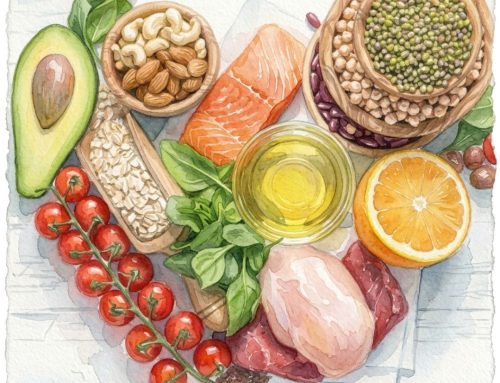
✔ Eat more prebiotic-rich foods – such as bananas, oats, onions, garlic, leeks, and asparagus. These feed beneficial bacteria like B. bifidum, helping them grow.
✔ Include fermented foods – like yoghurt, kefir, miso, sauerkraut, and kimchi. These foods naturally contain probiotics that help restore and support gut microbiome balance.
✔ Take a quality probiotic supplement – choose one that includes explicitly Bifidobacterium bifidum strains for targeted support.
✔ Cut back on sugar and processed foods – which can feed harmful bacteria and throw off the balance in your gut.
✔ Manage stress and get enough sleep – chronic stress and poor sleep can reduce the diversity and levels of beneficial bacteria in your gut.
✔ Stay hydrated and active – water and regular exercise support digestive function and the health of your gut lining, creating a better environment for good bacteria to thrive.
Making these changes consistently can help restore and maintain optimal levels of Bifidobacterium bifidum for better digestion, immunity, and overall health.
Bifidobacterium bifidum and Its Potential in Disease Prevention
Bifidobacterium bifidum shows strong potential in helping to prevent a range of diseases, thanks to its decisive role in supporting gut and immune health. Research suggests that B. bifidum can help reduce inflammation in the digestive tract, which is essential in preventing conditions like irritable bowel syndrome (IBS), inflammatory bowel disease (IBD), and even colorectal cancer. It also strengthens the gut barrier, helping to prevent “leaky gut,” a factor linked to autoimmune and metabolic diseases.
This probiotic species has also been linked to improved immune regulation, reducing the risk of respiratory infections and allergic responses, especially in children and older adults. Additionally, emerging research suggests a role in supporting mental health and possibly reducing the risk of conditions like anxiety and depression, through its impact on the gut–brain axis.
By maintaining healthy levels of Bifidobacterium bifidum, you may be able to protect your body from a variety of chronic conditions, making it a valuable ally in disease prevention and overall well-being.
How to Test Your Bifidobacterium bifidum Levels With Epicentre
Getting your Bifidobacterium bifidum level tested with Epicentre is easy! Book your test online to find out your levels now.
Core and Harmful Gut Microbes
Gut Health News
Keep up to date with all the latest developments within the company right here.