The Ultimate Guide to Candida glabrata
Candida glabrata is a yeast species that lives naturally in the human body, particularly in the mouth, gut, and urogenital tract. Unlike C. albicans, it does not form the elongated filaments (hyphae) that many other Candida species use to invade tissue. Instead, it relies on its ability to stick to surfaces, form biofilms, and withstand antifungal treatment (Rodrigues et al., 2017).
What makes C. glabrata particularly concerning is its intrinsic resistance to standard antifungal treatment, the most commonly prescribed first-line therapy in South Africa. This means standard treatment often fails, and the infection persists or returns – a pattern that many women with recurrent UTIs know all too well.
Why C. glabrata matters for UTIs
Fungal UTIs are frequently misdiagnosed as bacterial because the symptoms – burning, urgency, frequency – are identical. When a standard urine dipstick comes back negative for bacteria, the infection is often dismissed as "nothing" or treated with yet another course of antibiotics. Meanwhile, the actual cause – a resistant yeast – goes untreated and continues to grow.
First-line treatment often fails. Unlike most Candida species, C. glabrata has intrinsic low-level resistance to standard antifungal therapy. Studies report resistance rates of 15 – 25% in clinical isolates, with some centres seeing rates above 30% (Pfaller et al., 2019). Identifying this species before treatment prevents weeks of ineffective therapy.
Symptoms of a C. glabrata UTI
Symptoms are often indistinguishable from bacterial UTIs, which is precisely why testing matters:
Persistent burning or stinging during and after urination, often worse than typical bacterial UTIs
Constant feeling of needing to urinate, even when the bladder is nearly empty
Dull pressure or cramping in the lower abdomen or pelvic area
If your UTI symptoms do not respond to standard antibiotics, a fungal cause like C. glabrata should be investigated
Who is most at risk?
- Postmenopausal women – reduced oestrogen thins the vaginal and urethral lining, reducing protective lactobacilli and allowing Candida to colonise
- People with diabetes – elevated blood sugar creates an ideal environment for yeast growth
- Patients with prior antifungal use – previous antifungal courses can select for resistant C. glabrata strains
- Catheterised patients – catheters provide a surface for biofilm formation
- Immunocompromised individuals – HIV, chemotherapy, or long-term steroid use weakens the immune defences that normally keep Candida in check
How is C. glabrata detected?
Standard urine cultures often miss it. C. glabrata grows slowly on standard culture media and can be overlooked or misidentified. PCR testing identifies it directly from a urine sample with far greater sensitivity, delivering results in 5 – 7 working days.
Epicentre's UTI PCR panel tests for C. glabrata alongside six other Candida species, the three most common bacterial causes of UTIs, and Group B Strep. This means a single test covers both bacterial and fungal causes – no guesswork, no repeat visits.
C. glabrata in South Africa
South Africa's dual healthcare system means C. glabrata affects different populations in different ways – but no one is exempt.
In private healthcare and affluent communities
Patients using private hospitals and day clinics in Sandton, the Southern Suburbs, or Umhlanga are not protected by wealth. In fact, several risk factors are more common in this group: frequent elective procedures (each requiring catheterisation), international travel that exposes the urinary tract to unfamiliar organisms, and easy access to over-the-counter antifungal treatment – which, when used without testing, selects for resistant C. glabrata strains. Private pathology labs may culture Candida but often do not speciate beyond "Candida spp." – meaning C. glabrata is reported but not distinguished from C. albicans, and antifungal resistance is assumed rather than confirmed.
In public healthcare and lower-income communities
In public hospitals, catheter-associated fungal UTIs are a significant problem. Overcrowded wards, longer catheter dwell times, and limited access to antifungal susceptibility testing mean C. glabrata infections are more likely to be treated empirically with standard antifungal therapy – the very treatment to which this species is resistant. Women in rural areas who delay seeking care due to cost or distance are at higher risk of recurrent infections becoming entrenched.
For travellers and foreign nationals in South Africa
International visitors and expatriates may develop UTIs during or after travel. Changes in diet, hydration, climate, and exposure to unfamiliar water sources can disrupt the urinary microbiome. If a traveller develops a UTI in South Africa and is treated empirically with standard antifungal therapy without species identification, a C. glabrata infection will persist – and may only be diagnosed after returning home. Epicentre's walk-in model (no referral, no appointment, results via digital delivery) is designed for exactly this scenario.
Epicentre's UTI PCR panel
UTI Package – 11-Target PCR Screen
Results in 5 – 7 working days · No referral needed · Walk-in or home kit available
Stop Guessing. Get Tested.
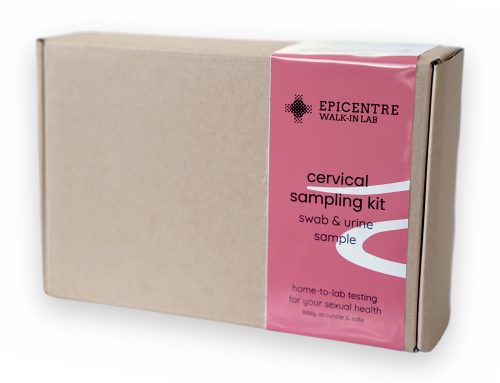
11-target UTI PCR panel. Walk in to any Epicentre branch – no referral needed – or order a home collection kit.
References
- Pappas, P.G. et al. (2016). Clinical practice guideline for the management of candidiasis. Clinical Infectious Diseases, 62(4), e1 – e50.
- Pfaller, M.A. et al. (2019). Epidemiology and outcomes of invasive candidiasis due to non-albicans species. Mycoses, 62(5), 443 – 452.
- Rodrigues, C.F. et al. (2017). Candida glabrata biofilms: how far have we come? Journal of Fungi, 3(1), 11.