The STIs You Cannot Feel: Why a Walk-In Sexual Health Clinic Matters When You Feel Fine
You feel healthy. Nothing hurts. Nothing looks wrong. But feeling fine is not the same as being fine. Most sexually transmitted infections produce no symptoms at all, and by the time they do, the damage is already done.
Every other page on this website tells you what we test for and how to get tested. This one explains why you need to test even when nothing feels wrong. It is the most important page you will read here, because the infections that cause the most damage are the ones you never feel.
The Silent Six: STIs That Produce No Symptoms
Chlamydia
Chlamydia is the most commonly reported bacterial STI in the world. The reason it spreads so effectively is that the majority of people who carry it feel nothing at all. There is no pain, no discharge, no visible sign. A person can carry chlamydia for months or years without any indication that something is wrong.
HPV (Human Papillomavirus)
HPV is the most common STI globally. Most sexually active people will contract at least one strain in their lifetime. The virus produces no pain, no sores and no discharge. It can only be found through screening. It sits in the cells and replicates quietly. The body clears most strains on its own within two years, but high-risk strains can persist and cause cell changes that lead to cancer years or decades later.
Gonorrhoea
Gonorrhoea can produce symptoms such as discharge and pain during urination, but in a significant proportion of cases, particularly vaginal infections, it produces none. Throat and rectal gonorrhoea are almost always asymptomatic.
Herpes (HSV-1 and HSV-2)
Herpes is carried by a large proportion of the global population. Most carriers have never had a visible outbreak. The virus lives in nerve cells and can reactivate at any time, but many people shed the virus without any sores at all. This is called asymptomatic shedding, and it is the primary way herpes spreads.
Syphilis
Syphilis begins with a painless sore called a chancre, usually at the site of infection. Because the sore does not hurt, it is often missed entirely, especially if it appears internally. The sore heals on its own within weeks, and the person assumes they are fine. The infection then enters a latent stage that can last years with no symptoms at all.
HIV
After an initial flu-like illness (which many people do not notice or dismiss as a cold), HIV enters a long clinical latency period. During this time the person feels completely healthy while the virus progressively destroys their immune system. Without testing, the infection is typically only discovered when the immune system is severely compromised.
When to Test: Window Periods
Testing too soon after exposure can produce a false negative because the infection has not had time to become detectable. Each STI has a window period, which is the minimum time after exposure before a test can accurately detect the infection.
Chlamydia and Gonorrhoea
PCR detectable from 2 weeks after exposure.
HIV
Antibody test (ELISA) reliable from 4 to 12 weeks. 4th-gen Ag/Ab tests can detect from 2 weeks.
Syphilis
Blood test reliable from 3 to 6 weeks after exposure.
Herpes
Antibody test reliable from 2 to 12 weeks. Swab testing during an active outbreak is accurate immediately.
HPV
PCR detectable at any time after infection. No window period for molecular testing.
Mycoplasma and Ureaplasma
PCR detectable from 2 weeks after exposure.
If you test negative within the window period, retest. A negative result before the window period closes does not rule out infection. If you had a specific exposure you are concerned about, test once now and again after the relevant window period has passed.
Who Should Test Routinely
The short answer: everyone who is sexually active. The longer answer depends on your circumstances.
Annually if you are in a monogamous relationship and both partners have been tested. After every new partner regardless of whether protection was used. Every 3 to 6 months if you have multiple partners. Immediately if a partner tells you they have tested positive, if you had unprotected sex with someone whose status you do not know, or if you notice any unusual symptoms.
None of this requires a doctor's referral. Students get 10% off. A walk-in sexual health clinic exists precisely for this: routine, confidential screening that takes 15 minutes.
What a Walk-In Sexual Health Clinic Tests For
Sexual Health Express
5-in-1 blood screen: HIV, syphilis, hepatitis B, chlamydia, herpes.
Medium STI Package
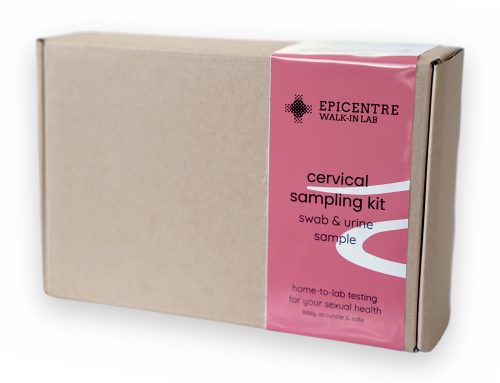
9-target PCR: chlamydia, gonorrhoea, herpes, mycoplasma, ureaplasma, trichomoniasis. Home kit available.
All prices include VAT. 10% student discount. 10% pensioner discount. Payflex interest-free instalments on all packages. Home test kits available for PCR swab tests.
Frequently Asked Questions
Can you have an STI without symptoms?
How long can you have an STI without knowing?
What damage can untreated asymptomatic STIs cause?
Which STIs should I test for if I have no symptoms?
How often should I get tested?
What is the window period for STI testing?
Do I need a doctor's referral for STI testing?
Where is the nearest walk-in sexual health clinic?
Feeling Fine Is Not the Same as Being Fine
15 minutes. No doctor's referral. Results to your email only.
Epicentre Walk-In Labs does not provide medical diagnoses. For medical diagnoses and advice, please consult your healthcare practitioner. Practice #1117394.