The Ultimate Guide to Candida tropicalis
Candida tropicalis is considered the second most virulent Candida species after C. albicans. It shares many of the same tissue-invasion strategies – forming hyphae, producing enzymes that break down tissue, and adhering strongly to mucosal surfaces – but it does so more aggressively in certain patient populations (Zuza-Alves et al., 2017).
In the urinary tract, C. tropicalis is particularly concerning because of its strong association with candiduria progressing to candidaemia (yeast in the bloodstream). This progression is more common with C. tropicalis than with most other Candida species, making early identification and treatment essential.
Why C. tropicalis matters
High risk of bloodstream invasion. Among Candida species found in urine, C. tropicalis has one of the highest rates of progressing from a localised UTI to invasive bloodstream infection. This is especially dangerous in neutropenic patients (those with very low white blood cell counts) and people with diabetes.
Symptoms
Often more intense than bacterial UTIs, particularly in diabetic patients
May appear hazy or have visible debris – a sign of significant yeast burden
If the infection has spread beyond the urinary tract, fever, chills, and fatigue may develop
UTI symptoms that persist despite multiple courses of antibiotics suggest a fungal cause
Who is most at risk?
- People with diabetes – C. tropicalis has a particularly strong association with diabetes; elevated glucose in urine provides an ideal growth medium
- Cancer patients, especially with neutropenia – haematological malignancies and chemotherapy-induced neutropenia are the strongest risk factors for invasive C. tropicalis disease
- Patients in tropical and subtropical climates – prevalence is higher in South Asia, Latin America, and sub-Saharan Africa, making it relevant to South African patients
- People on broad-spectrum antibiotics – antibiotics disrupt the bacterial competition that normally keeps Candida in check
- Catheterised patients – as with other Candida species, catheters provide a surface for colonisation
Geography matters. C. tropicalis is more prevalent in tropical and subtropical regions than in Europe or North America. In South Africa, it is an important pathogen to include in any comprehensive UTI panel – and Epicentre's 11-target PCR test covers it.
C. tropicalis in South Africa
South Africa sits in the subtropical zone where C. tropicalis prevalence is naturally higher than in temperate regions. Combined with the country's significant diabetes burden, this species is more relevant here than many clinicians realise.
In private healthcare and affluent communities
South Africa has one of the highest diabetes prevalence rates in Africa, and diabetes does not discriminate by income. Affluent patients with type 2 diabetes – often well-managed on medication – still have elevated urinary glucose levels that favour C. tropicalis colonisation. The combination of diabetes, private healthcare access (meaning more frequent antibiotic prescriptions for minor infections), and regular international travel to tropical destinations creates a perfect risk profile. Women in this group who experience recurrent UTIs that fail to respond to antibiotics should specifically consider fungal causes.
In public healthcare and lower-income communities
In South Africa's public health system, diabetes is often diagnosed late and managed with limited resources. Uncontrolled blood sugar creates an environment where C. tropicalis thrives – not just in the urinary tract but throughout the body. The risk of progression from a UTI to bloodstream infection is highest in patients with poorly controlled diabetes and limited access to timely healthcare. In KwaZulu-Natal and Limpopo, where both diabetes prevalence and tropical climate conditions are significant, C. tropicalis is an important pathogen to detect early.
For travellers and foreign nationals in South Africa
Visitors from temperate climates (Europe, North America, East Asia) may have less natural immunity to C. tropicalis than local residents. Travellers who develop UTI symptoms during or after visiting South Africa – particularly those visiting KwaZulu-Natal, Mpumalanga, or the Eastern Cape – should be tested comprehensively rather than treated empirically with antibiotics alone. Epicentre's branches in Durban (Hillcrest), Cape Town (Observatory), and Johannesburg (Parktown North) are positioned to serve travellers in each of SA's major tourism corridors.
Epicentre's UTI PCR panel
UTI Package – 11-Target PCR Screen
Results in 5 – 7 working days · No referral needed · Walk-in or home kit available
Stop Guessing. Get Tested.
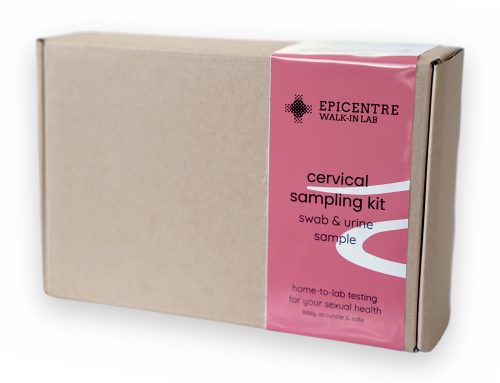
11-target UTI PCR panel. Walk in to any Epicentre branch – no referral needed – or order a home collection kit.
References
- Zuza-Alves, D.L. et al. (2017). An update on Candida tropicalis based on basic and clinical approaches. Frontiers in Microbiology, 8, 1927.