Vitamin D deficiency in South Africa: why a sunny country still runs low
We get more sunshine than almost anywhere on earth, yet low vitamin D is one of the most common things we see, and it gets worse every winter. Here is how to spot it, who is most at risk, and how to check your own level in minutes.
In short
- Vitamin D comes mostly from sunlight on your skin, so your level shifts with the season, your skin tone and your time outdoors.
- Despite our climate, low vitamin D is widespread in South Africa and rises sharply in the colder months.
- Symptoms are vague or absent, so the only reliable way to know is a blood test.
- The vitamin D (25-OH) test at Epicentre is R300, walk in, no doctor's referral, results in two to five working days.
What is vitamin D, and why does it matter?
Vitamin D is a fat-soluble nutrient that behaves more like a hormone than a vitamin. Your skin makes most of it when sunlight reaches it, and you take in smaller amounts from a few foods. Its best-known job is helping your body absorb calcium, which keeps bones and teeth strong and helps prevent the soft, aching bones that come with long-term shortage. It also supports muscle strength and contributes to a normal immune response and steady mood.
Because the sun does the heavy lifting, your level is not fixed. It can be healthy in February and low by August, and two people living on the same street can sit far apart depending on skin tone, age and how much of the day they spend indoors.
The South African paradox: sunny skies, low levels
It sounds back to front, but vitamin D shortage is common right across our sunny region. A review of Africa and the Middle East described exactly this puzzle: high sunlight all year, yet widespread low vitamin D, with reports of insufficiency in around one in five South African children. Several things explain it.
Skin tone. Melanin is natural sun protection, which is wonderful for skin health but means darker skin needs far longer in the sun to make the same amount of vitamin D. In a study of South African adults, deficiency was almost three times more likely in black African participants.
Winter. In the southern parts of the country the sun sits too low in winter for the skin to make much vitamin D at all. In Cape Town schoolchildren, the odds of deficiency were roughly ten times higher in the late-winter months than in summer.
Modern life. Office hours, screens, traffic, sunscreen, covering up and city air pollution all cut the dose of usable sun your skin receives, even on a bright day.
Signs and symptoms of low vitamin D
The tricky part is that low vitamin D rarely announces itself. When there are symptoms, they are easy to blame on a busy life. Watch for a cluster of these rather than any single one.
Tiredness
Persistent fatigue and low energy that rest does not fully fix.
Aches
Bone tenderness, deep muscle aches, or low-back and hip discomfort.
Weakness
Muscle weakness, especially climbing stairs or rising from a chair.
Infections
Catching every cold going round, with slow recovery.
Low mood
Flat or low mood, more noticeable in the darker winter months.
Hair and healing
More hair in the brush and cuts or grazes that are slow to heal.
Many people with low vitamin D feel nothing unusual at all, which is the whole reason a quick blood test is worth more than guesswork.
Who is most at risk?
Darker skin tones
More melanin means more sun is needed for the same vitamin D, the single biggest factor in our setting.
Indoor lives
Office workers, drivers, students and anyone who is mostly out of direct sun during daylight hours.
Older adults
Skin makes vitamin D less efficiently with age, and risk climbs further past the mid-forties.
Pregnancy and babies
Pregnant and breastfeeding women, and breastfed infants, are at high risk; in one local cohort most young infants were deficient.
Higher body weight
Vitamin D is stored in fat tissue, which can lower the amount circulating and available to use.
Covering up
Anyone who covers up for cultural reasons or careful sun protection receives less skin-level sun.
If you are reading this from abroad, the same rules apply to visitors: a few sunny days on holiday do not undo months of a low level back home.
Vitamin D, the sun and food
People often ask whether the sun really is the answer. It is the main source, but it is also why levels swing. Short, sensible sun exposure on bare skin helps, yet for many South Africans, especially in winter or with darker skin, it simply is not enough on its own.
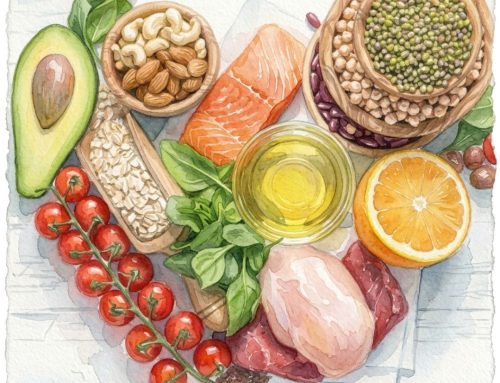
Food fills only a small part of the gap. The richest natural sources are oily fish such as pilchards, sardines and salmon, with smaller amounts in egg yolk, liver and some mushrooms. A handful of products here are fortified, but our food supply adds far less vitamin D than diet alone can correct. That leaves two reliable levers: more safe sun where possible, and supplementation when a test shows you need it.
Vitamin D does not work alone
Searches for vitamin D often sit next to magnesium, calcium and vitamin K2, and for good reason. Magnesium is needed for the body to activate vitamin D, vitamin K2 helps direct the calcium you absorb towards bone rather than soft tissue, and calcium is the mineral vitamin D helps you take in. You do not need to chase every supplement, but it does explain why a single number rarely tells the whole story, and why many people test vitamin D alongside iron studies and vitamin B12 when they are tired and run down.
How to know your level: the 25-OH blood test
There is one accurate way to know where you stand, and it is a blood test called 25-hydroxyvitamin D, usually shortened to vitamin D (25-OH). It measures the form your body stores, so it reflects your true status over recent weeks rather than what you happened to eat or how much sun you caught yesterday. Results are commonly read against bands like these.
| Result band | Status | What it usually means |
|---|---|---|
| Below 50 nmol/L | Deficient | Low enough to affect bones, muscles and energy; usually worth acting on. |
| 50 to 74 nmol/L | Insufficient | Not severely low, but below the level many clinicians aim for. |
| 75 nmol/L and above | Sufficient | A healthy range for most adults. |
Your doctor reads your number alongside your health and symptoms, so treat these bands as a guide rather than a verdict. The point is simple: a R300 test replaces months of guessing with a clear starting figure.
Vitamin D (25-OH) test at Epicentre
- No doctor's referral needed for cash patients
- Walk into Cape Town, Durban or Johannesburg
- Results in two to five working days
- We submit your medical-aid claim for you
Supplements and high doses: test, do not guess
Once people learn about vitamin D, the next questions are how much to take and when. Those are fair questions, but the honest answer is that the right amount depends on your starting level, which is exactly what a test gives you. A baseline number lets a doctor recommend a sensible dose, and a follow-up test a few months later confirms it is working.
It is also worth knowing that more is not always better. Vitamin D shortage is far more common than excess, but very high supplement doses, the kind sold as once-off mega-doses, can push calcium too high and cause nausea, thirst and kidney strain. You cannot overdose from the sun or from food, only from over-supplementing. Testing before and after a high-dose plan keeps you on the safe side of that line.
See the bigger picture with an ODx report
A single vitamin D number is a great start. If you want to understand how your whole body is working, and to watch your results move in the right direction over time, our ODx functional health reports pull a wide range of markers into one clear, visual report. Instead of reading a column of figures, you see where you stand at a glance and how each visit compares to the last, which is exactly what you want when you are correcting a low level and checking that it is improving.
Medical aid. If you would like to claim, we submit the pathology claim for you, and your doctor would record the diagnosis code E55 for vitamin D deficiency. Whether it pays depends on your plan and your available benefits, so it is worth a quick check with your scheme. Prefer to keep it private or out of benefits? The cash price stays R300 with no doctor's referral.
Where to test in Cape Town, Durban and Johannesburg
You are welcome to walk in during opening hours, Monday to Friday, 08:30 to 16:00, or message us first on WhatsApp to plan your visit.
Cape Town
24 Lower Main Road, Observatory
021 201 1658
Durban
2 Knelsby Avenue, Hillcrest
031 880 2150
Johannesburg
2 7th Avenue, Parktown North
010 825 6318
Vitamin D questions, answered
What is vitamin D and what does it do?
What are the signs of low vitamin D?
Why is vitamin D deficiency common in South Africa despite the sunshine?
Who is most at risk of low vitamin D?
How do I check my vitamin D level?
How much does a vitamin D test cost at Epicentre?
Can I claim a vitamin D test on medical aid?
Can you take too much vitamin D?
- Vitamin D deficiency and insufficiency in Africa and the Middle East, despite year-round sunny days. scielo.org.za
- Prevalence and determinants of vitamin D deficiency in Cape Town primary schoolchildren: a cross-sectional study. ncbi.nlm.nih.gov
- Prevalence of vitamin D deficiency among healthcare workers in the Eastern Cape, South Africa. Scientific Reports, 2024. nature.com
- Prevalence and correlates of vitamin D deficiency among young South African infants: a birth cohort study. ncbi.nlm.nih.gov