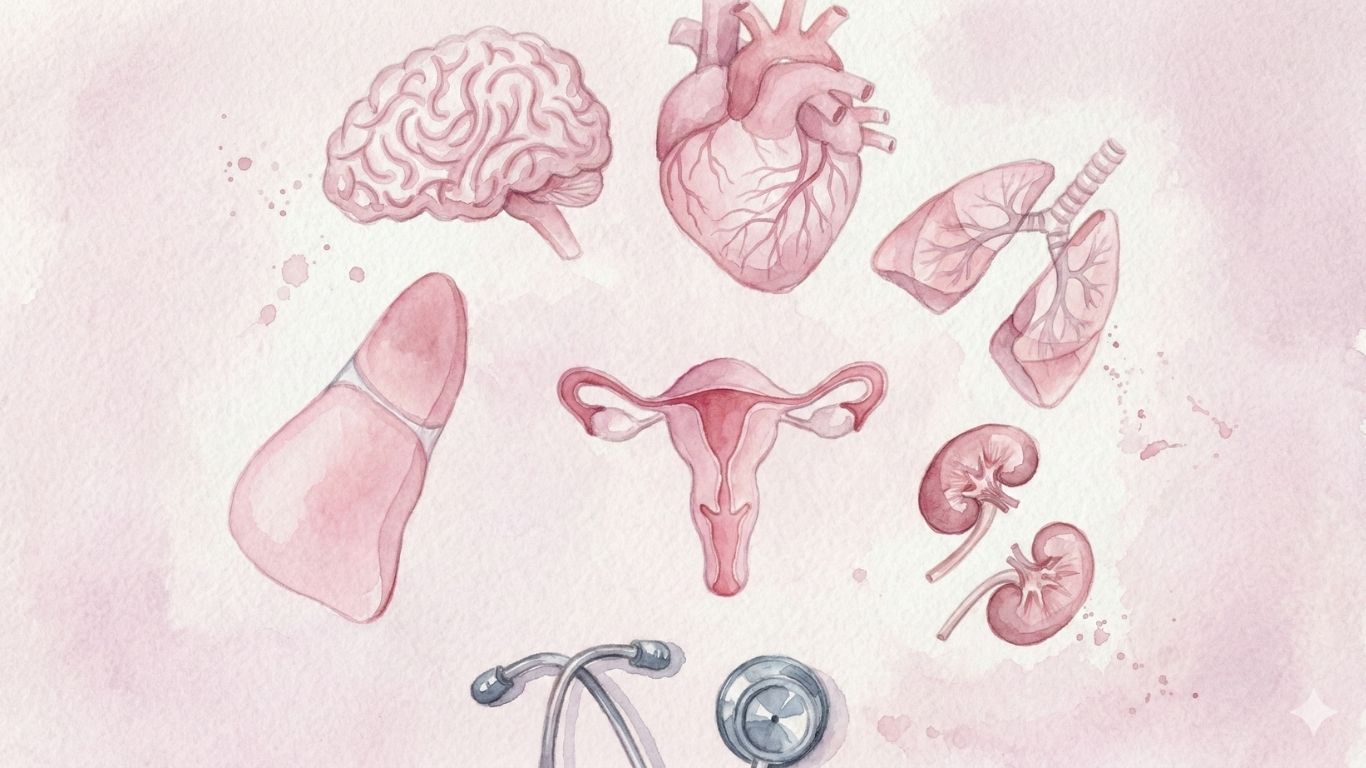
In today’s fast-paced world, we often hear terms like “healthy lifestyle” and “wellness goals,” but what does it truly mean to achieve optimum health? Many of us push through fatigue, stress, and recurring health issues, thinking it’s normal. But what if we told you that being just “okay” isn’t enough? True wellness isn’t just about the absence of illness—it’s about unlocking your full health potential. Optimum health refers to a balanced state where your body, mind, and spirit function at their best. It’s about feeling energized, resilient, and fulfilled—not just staying out of the doctor’s office. (Gautam et al., 2024)
What is Optimum Health?
Optimum health is a holistic state where your body, mind, and spirit work at their fullest potential. Building on the principles of functional health, it focuses on achieving balance in physical, mental, and emotional well-being. This means not only preventing illness but also feeling energized, resilient, and fulfilled.
Key to optimum health is functional food and personalized wellness strategies, such as nutrition, exercise, and mental health care. These elements support the body’s natural functions and enhance overall vitality. By taking a proactive approach to health, including the right foods and lifestyle choices, optimum health enables you to thrive and achieve long-term well-being.
In essence, optimum health is about living life to its fullest potential by nurturing your body and mind in harmony.
Simple Signs You Are Not At Your Optimal Level
Persistent Fatigue: Feeling constantly tired, even after a full night’s sleep, could indicate that your body is not functioning at its best. Optimum health should leave you feeling energized and ready to tackle the day.
Frequent Illness: If you find yourself getting sick often, your immune system might be struggling. Optimum health means a strong, resilient immune system that can fend off common colds and infections more easily.
Chronic Stress or Anxiety: Ongoing mental and emotional stress can take a toll on your physical health. Being at your optimum health level involves managing stress effectively and feeling mentally balanced.
Digestive Issues: Experiencing frequent bloating, constipation, or discomfort after meals may signal that your digestive system is out of balance, preventing you from reaching optimal health.
Lack of Motivation or Disinterest in Activities: When you’re not at your optimum health, you may feel disengaged or uninterested in activities you normally enjoy. A healthy mind and body should inspire motivation and fulfillment in daily tasks.
If you’re experiencing these signs, it’s time to assess your health and take steps toward achieving your best physical, mental, and emotional well-being.
Top 5 Essential Blood Tests for Men to Monitor Optimal Health
1. Cardiovascular Health (Lipid Panel and hs-CRP)
Why it’s important: Men are at a higher risk for heart disease, especially as they age. Monitoring cholesterol, triglycerides, and inflammatory markers (hs-CRP) can help detect cardiovascular risks early.
When to start: Age 35. Men should begin monitoring cardiovascular health around this age, especially if they have a family history of heart disease.
2. Testosterone Levels
Why it’s important: Testosterone is key for maintaining muscle mass, bone density, and overall well-being. Low levels can impact energy, mood, and sexual health.
When to start: Age 40. Men should start checking their testosterone levels after 40, as natural decline begins at this age.
3. Prostate Health (Prostate-Specific Antigen – PSA)
Why it’s important: PSA levels help assess the health of the prostate and can be used to detect early signs of prostate cancer.
When to start: Age 50, or earlier if there’s a family history of prostate cancer. Regular checks can help detect abnormalities early.
4. Blood Sugar (Fasting Glucose and HbA1c)
Why it’s important: High blood sugar can lead to type 2 diabetes. Regular testing helps detect pre-diabetes or diabetes in its early stages.
When to start: Age 40. Men should start regular blood sugar testing at 40, especially if they are overweight, have a family history of diabetes, or experience symptoms of metabolic syndrome.
5. Liver Function (Liver Enzymes: AST, ALT, Bilirubin)
Why it’s important: The liver plays a key role in detoxifying the body, and monitoring its function can help prevent liver disease.
When to start: Age 35, or earlier if there is excessive alcohol consumption or a history of liver disease in the family.
Top 5 Essential Blood Tests for Women to Monitor Optimal Health
1. Hormonal Health (Thyroid Function: TSH, T3, T4)
Why it’s important: Hormonal imbalances, especially in the thyroid, can lead to conditions like hypothyroidism or hyperthyroidism, which affect energy levels, weight, and mood.
When to start: Age 30. Women should start checking thyroid function regularly by age 30, particularly if experiencing symptoms like fatigue, weight gain, or hair thinning.
2. Reproductive Health (Female Hormone Panel, Estrogen, Progesterone, FSH)
Why it’s important: Monitoring female hormones can help detect PMOS, early menopause, or fertility issues.
When to start: Age 30. Women looking to plan for pregnancy or who experience menstrual irregularities should begin testing their hormone levels regularly.
3. Iron and Vitamin Deficiencies (Iron, Vitamin D, Vitamin B12)
Why it’s important: Iron deficiency can cause anemia, while low levels of vitamin D and vitamin B12 affect bone health, immune function, and energy levels.
When to start: Age 25, especially for women who experience heavy periods, are pregnant, or follow a vegetarian or vegan diet.
4. Blood Sugar (Fasting Glucose and HbA1c)
Why it’s important: High blood sugar levels are a risk factor for diabetes. Regular monitoring helps detect early signs of insulin resistance and prevent diabetes.
When to start: Age 40, or earlier if overweight, have a family history of diabetes, or have symptoms of metabolic syndrome.
5. Bone Health (Calcium, Vitamin D, Parathyroid Hormone)
Why it’s important: Women are more susceptible to osteoporosis as they age, especially post-menopause. Monitoring calcium and vitamin D levels ensures healthy bones.
When to start: Age 35, particularly for women who are at higher risk due to factors such as family history, smoking, or lack of physical activity.
Why does Optimum health matter?
Living at your optimum health level means better productivity, better mood, fewer sick days, and a longer, more fulfilling life. It’s not about perfection. It’s about progress and proactive care (Kirkbride etal, 2024)
The Role of Lab Testing in Achieving Optimal Health
Lab testing plays a pivotal role in understanding and improving our health by providing valuable insights into the body’s internal functions. When it comes to optimum health, regular and targeted lab tests can help uncover underlying imbalances, identify early warning signs of potential health issues, and guide personalized treatment plans. One of the most powerful tools in achieving optimum health is functional health lab reports, such as those provided by Epicentre’s ODx platform.
Functional health lab reports focus on more than just the detection of disease—they provide a comprehensive picture of your body’s current state and how it is functioning. This can include insights into your hormone levels, immune function, metabolic processes, and nutritional status, allowing you to take a proactive role in managing your well-being.
Here’s how lab testing and functional health reports can significantly impact your journey to optimum health:



Conclusion
Optimum health is a journey, not a destination. At Epicentre, our goal is to help you thrive—not just survive. With simple, walk-in lab tests and holistic wellness support, we empower you to take charge of your health, one step at a time.

Meet The Author
Hazel Mantshiu is a health and diagnostic consultant with a robust academic background, including a postgraduate degree in Pharmaceutical Sciences, Clinical Research, and Medicines Regulatory Affairs, as well as a BSc in Biomedicine. Her professional experience encompasses roles such as Medical Representative, Clinical Trial Coordinator, Medical Coder, and Site Activation Specialist.
Hazel’s extensive expertise in clinical research and medicines regulation positions her as a knowledgeable contributor to discussions on health diagnostics and patient care