Anabolic steroids, often associated with enhanced athletic performance and muscle gain, can have serious side effects—especially in women. While some may be prescribed steroids for medical reasons, non-prescribed use (especially for body transformation) can disrupt the body in multiple ways (Havnes, 2021).
How Do Steroids Work?
Steroids mimic male hormones like testosterone, which in turn disrupts the natural female hormone cycle. This process can lead to:
• Irregular or absent periods
• Fertility issues
• Premature menopause-like symptoms (Del Rio, 2018)
How Do Steroids Affect Your Weight and Body Shape? Uncovering the Changes
Steroids can lead to quick weight gain, but it’s not always in a healthy way. Here’s how:
Muscle Mass Increases: Steroids help your body build more muscle by improving protein production and retaining nitrogen.
Water Retention: This causes your body to hold onto extra water, making you feel bloated and appear puffy.
Fat Redistribution: Some women notice extra fat around their belly or internal organs, which can change body shape. (Verhaegen, 2019)
But the weight gain from steroids isn’t just about building muscle. It can also mess with your metabolism, making it easier to gain fat, and increase the risk of problems like insulin resistance and high blood pressure.
Liver, Heart & Cholesterol Effects of Steroids
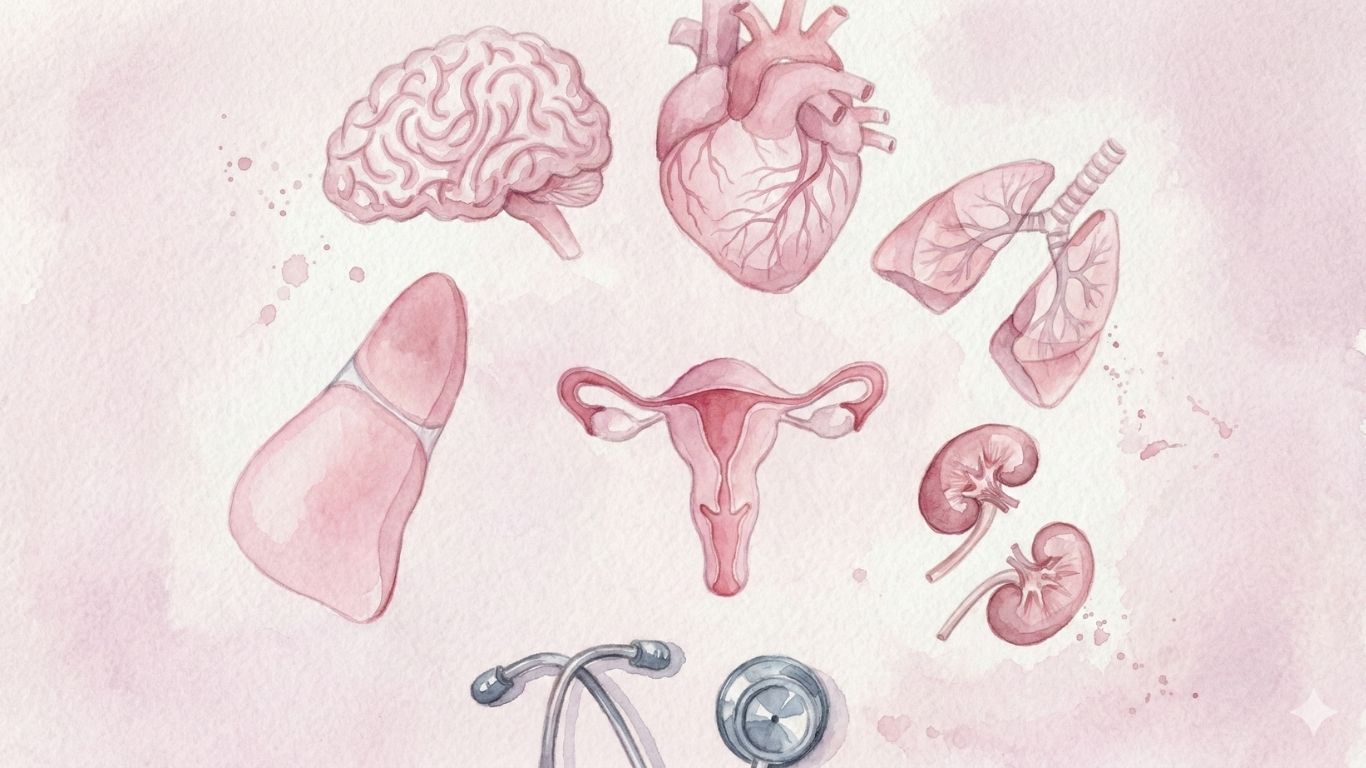
Using steroids, especially for long periods or in high doses, can put serious strain on your body, particularly on the liver and heart. Here’s how steroids can impact your health:
Liver Strain or Tumors: Long-term steroid use can stress the liver and even increase the risk of liver tumors.
High LDL (“Bad”) Cholesterol: Steroids can raise the levels of LDL, the type of cholesterol that increases the risk of heart disease.
Lower HDL (“Good”) Cholesterol: Steroids may lower the levels of HDL, which helps protect your heart.
Elevated Blood Pressure: Steroids can raise your blood pressure, putting added strain on your heart and arteries.
Increased Risk of Cardiovascular Disease: The combination of high cholesterol, high blood pressure, and liver strain increases the risk of heart disease.
This is particularly dangerous for women who have underlying conditions or a family history of heart disease (Piacentino, 2015).
Monitoring While on Steroids
If you’re on steroids, whether for a short or long period, it’s crucial to keep track of how your body is responding. Regular blood tests can help catch any side effects early. Here’s a list of common blood tests to monitor while using steroids:
Complete Blood Count (CBC)
Why: Steroids can weaken your immune system, so it’s important to check for infections and changes in white blood cells.
Blood Glucose / HbA1c
Why: Steroids can raise blood sugar levels, which can lead to steroid-induced diabetes. The HbA1c test helps track blood sugar over time.
Liver Function Tests (LFTs)
Why: Steroids can affect liver health, especially with long-term use or when combined with other medications.
Kidney Function Tests (Urea, Creatinine, eGFR)
Why: Steroids can impact kidney function, so it’s important to monitor overall health, particularly if you have conditions like hypertension or autoimmune disorders.
Lipid Profile
Why: Steroids can raise cholesterol and triglyceride levels, increasing the risk of cardiovascular disease.
Electrolytes (Sodium, Potassium, etc.)
Why: Steroids can cause imbalances in electrolytes, such as increasing sodium and decreasing potassium.
Bone Profile (Calcium, Phosphate, ALP, Vitamin D)
Why: Long-term steroid use can lead to bone thinning, so it’s important to monitor for signs of osteoporosis.
Cortisol (If Tapering Off Steroids)
Why: If you’re reducing your steroid dosage, checking cortisol levels ensures your adrenal glands are functioning properly and producing enough cortisol on their own (Tamez, 2015). Bodybuilding


What This Test Package Includes — And Why It Matters for Gout
Understanding what’s included in your lab test package is crucial to taking control of your health. At Epicentre, we offer a variety of comprehensive test packages designed to assess key health markers for different needs. Here’s a breakdown of what’s included in some of our most popular packages—and why they matter:
Cardiac Package
Includes: T&I, CKMB, Myoglobin, LDH, AST
This Cardiac Package is designed to assess the health of your heart. The tests included help evaluate enzyme levels, which can indicate heart stress or damage. Monitoring these markers is essential for detecting early signs of heart disease, allowing for faster intervention.
T&I (Troponin I) and CKMB: Important for detecting heart muscle damage.
Myoglobin and LDH (Lactate Dehydrogenase): Useful for identifying any cardiac stress or injury.
AST (Aspartate Aminotransferase): A marker for heart muscle damage and liver function.
Annual Bodybuilder Package
Includes: FBC (Full Blood Count), LFT (Liver Function Tests), Lipogram Panel
Designed for those who push their bodies to the limit, the Annual Bodybuilder Package helps monitor key aspects of your health, particularly those affected by intense exercise. These tests provide insight into your liver health, cholesterol levels, and overall blood health—critical for ensuring you’re performing at your peak without compromising your body.
FBC: Monitors your red and white blood cell count, which is vital for oxygen transportation and immune function.
LFT: Checks liver health, an organ that can be affected by intensive training and supplementation.
Lipogram Panel: Assesses your cholesterol levels to ensure healthy cardiovascular function.
Comprehensive Bodybuilder Package
Includes: FBC, Lipogram Panel, LFT, TSH, U&E and Creatinine, Calcium, Oestradiol, Magnesium, Testosterone
For those seeking a deeper look into their health, the Comprehensive Bodybuilder Package offers a full range of tests to cover everything from hormone balance to kidney function. This package is perfect for athletes or individuals looking to track long-term health changes due to intense physical activity or bodybuilding.
TSH (Thyroid Stimulating Hormone): Helps monitor thyroid function, which plays a major role in energy metabolism and overall health.
U&E and Creatinine: Essential for assessing kidney function, especially in athletes who may be prone to dehydration or kidney strain.
Calcium, Oestradiol, Magnesium: Important for bone health, muscle function, and hormonal balance, all critical for bodybuilders.
Testosterone: Monitors levels of the primary male hormone, key to muscle growth and performance.
Lab results available in 2-5 working days. No referral required. This makes it easier for you to quickly gain insights into your health and make informed decisions, whether you’re tracking general health or specific fitness goals.
Why Testing Matters During Steriod Use
Steroid use, whether for medical purposes or athletic performance, can have significant effects on a woman’s body. While steroids can help build muscle mass and improve strength, they also come with potential risks that can affect various body systems. This is why regular blood testing is essential for women using steroids.
Here’s why testing matters during steroid use for women:
Hormonal Imbalances
Steroids can disrupt the body’s natural hormone levels, leading to issues such as irregular periods, excess facial hair, and voice deepening. Regular testing of testosterone, estrogen, and other hormone levels helps monitor these changes and ensures any imbalances are addressed early.
Liver Health
Steroids can strain the liver, especially with long-term use. Liver function tests (LFTs) are critical to monitor liver enzymes and ensure your liver is functioning properly, preventing damage that could lead to long-term health issues.
Heart and Cholesterol Levels
Steroid use can increase LDL (“bad”) cholesterol and lower HDL (“good”) cholesterol, putting strain on the heart. A lipid profile is essential to track these changes and reduce the risk of cardiovascular disease associated with steroids.
Bone Health
Steroids can interfere with bone density, increasing the risk of osteoporosis. Monitoring calcium levels, vitamin D, and bone density through regular testing ensures you are on top of your bone health while using steroids.
Kidney Function
Steroids can also affect kidney function, especially in women who have underlying health conditions or who take high doses. Kidney function tests (e.g., creatinine, eGFR) help monitor the health of your kidneys and prevent long-term damage.
Preventing Side Effects and Complications
Regular blood tests can detect side effects like high blood pressure, glucose imbalances, and electrolyte disturbances before they cause severe complications, allowing you to take action early and avoid further health risks.
Testing while on steroids is not just about managing muscle growth—it’s about protecting your overall health. Regular blood tests give you the insights needed to make informed decisions, adjust treatments, and stay on top of any changes your body might be experiencing. Let Epicentre’s comprehensive testing packages guide you through a safe and effective steroid use journey.

Meet The Author
Juliette Zuccarini is a health consultant with a background in Genetics, Physiology, and Psychology, holding an Honours degree in Genetics from Stellenbosch University. She works at Epicentre Health Research, where she leads training and product development focused on functional blood chemistry. Her role involves interpreting blood test data and turning it into practical, patient-friendly health insights.
With experience in both research and lab-based healthcare, Juliette has a talent for translating complex science into accessible, empowering information. Her writing is shaped by her academic foundation and hands-on expertise, making her well-equipped to explain the role that blood-based testing plays in managing steriod use.