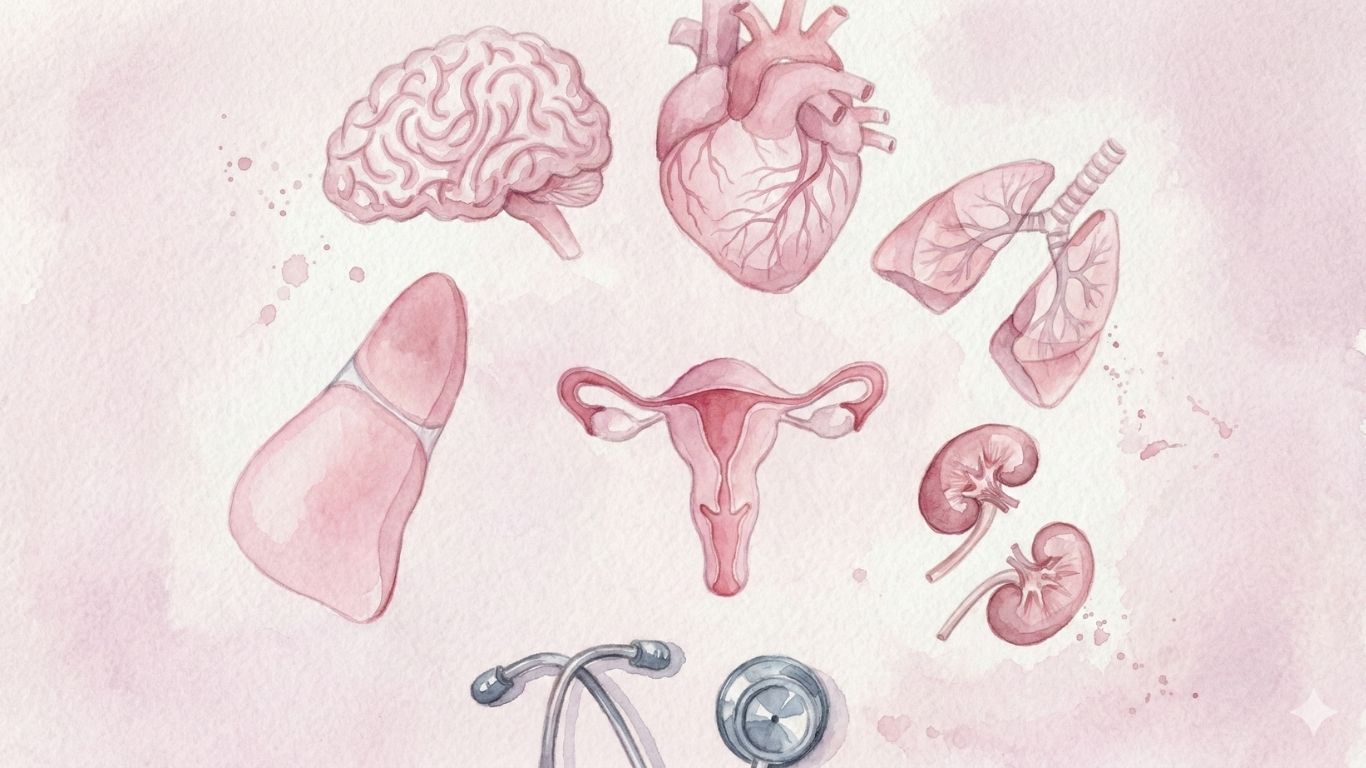
Your health is more than the absence of illness — it’s a complex interplay of systems that need to function optimally. Functional health reports are a modern, holistic approach to understanding your body. They move beyond basic health screenings by providing a comprehensive picture of your internal health, using targeted blood tests to identify early imbalances before symptoms appear.
Blood tests serve as a valuable snapshot of your current health, offering insight into your body’s immune function, metabolism, hormone levels, and more. They are powerful tools for proactive and preventative care, helping individuals manage chronic conditions, reduce future risks, and enhance their overall quality of life.

Let’s explore the essential blood tests that form the foundation of Epicentre’s Functional Health Report and how they empower you to make informed, data-driven decisions for your well-being.
Complete Blood Count (CBC) with Differential
Purpose: This is a fundamental test that evaluates red blood cells, white blood cells, and platelets — critical markers for anemia, infections, and immune function.
Why It Matters: Monitoring hemoglobin, hematocrit, WBCs, and platelets provides early warnings about underlying issues like chronic fatigue, inflammation, or bone marrow disorders.
Key Takeaway: A CBC is often the first line of insight into conditions that may be silently affecting your daily energy and immune resilience.
Comprehensive Metabolic Panel (CMP-14)
Purpose: This test examines liver and kidney function, blood glucose, electrolyte balance, and protein levels to assess your metabolic and organ health.
Why It Matters: The liver and kidneys play essential roles in detoxification, fluid balance, and energy regulation. CMP can reveal signs of liver stress, dehydration, or early kidney dysfunction.
Key Takeaway: It’s a crucial test for detecting metabolic issues before they develop into more serious, symptomatic conditions.
Thyroid Function Tests (TSH, Free T3, Free T4)
Purpose: These hormones regulate metabolism, energy, digestion, temperature control, and even mental clarity.
Why It Matters: An underactive or overactive thyroid can lead to fatigue, mood swings, weight changes, and menstrual irregularities — often misattributed to stress or aging.
Key Takeaway: If you’re feeling tired without explanation, checking your thyroid could be the missing link in understanding your symptoms.
Lipid Panel
Purpose: Evaluates levels of HDL (good cholesterol), LDL (bad cholesterol), and total cholesterol to determine cardiovascular risk.
Why It Matters: Elevated LDL and low HDL are key contributors to atherosclerosis, heart attacks, and strokes — conditions that can be prevented through early detection.
Key Takeaway: This test is essential for monitoring heart health and avoiding long-term cardiovascular complications.
Insulin and Glucose Levels
Purpose: Measures how well your body regulates blood sugar and your sensitivity to insulin.
Why It Matters: High insulin or glucose levels are often early indicators of insulin resistance, which can progress to Type 2 diabetes or metabolic syndrome.
Key Takeaway: A must-have for those with a family history of diabetes, weight issues, or fatigue after meals — early detection changes outcomes.
Vitamin D Levels
Purpose: Tracks levels of vitamin D, which supports bone density, immunity, mood, and muscle function.
Why It Matters: Deficiency is widespread, especially in those with limited sun exposure. It’s linked to osteoporosis, autoimmune conditions, and depression.
Key Takeaway: Optimizing vitamin D is one of the simplest ways to boost immune health and protect long-term well-being.
Homocysteine Levels
Purpose: Measures homocysteine, an amino acid that, when elevated, increases the risk for cardiovascular disease, dementia, and stroke.
Why It Matters: High levels can indicate inflammation and poor methylation, which are early markers for chronic disease risk.
Key Takeaway: This test provides critical insight into long-term cardiovascular and neurological health.
Functional blood testing is a game-changer. It shifts healthcare from reactive to proactive by identifying health issues before they become symptomatic or chronic. Each of these essential blood tests works together to give you a holistic, personalized understanding of your body.
At Epicentre, we’re committed to precision health. Our Functional Health Reports integrate these critical tests to create tailored recommendations that help you take control of your health journey — whether you’re looking to improve energy, prevent illness, or simply stay ahead.
Take control of your health today — visit the page below to learn more and schedule your test.


📚 References (APA 7th)
• American Heart Association. (2023). Understanding cholesterol tests. https://www.heart.org
• Mayo Clinic. (2023). Complete Blood Count (CBC). https://www.mayoclinic.org
• National Institutes of Health. (2022). Vitamin D: Fact Sheet for Health Professionals. https://ods.od.nih.gov
• Cleveland Clinic. (2023). Thyroid Function Tests. https://my.clevelandclinic.org
• Centers for Disease Control and Prevention (CDC). (2023). Diabetes tests and monitoring. https://www.cdc.gov
• MedlinePlus. (2023). Homocysteine blood test. https://medlineplus.gov/lab-tests/homocysteine-test
• Harvard Medical School. (2022). Understanding the Comprehensive Metabolic Panel. https://www.health.harvard.edu

Meet The Author
Andile Ngubane is a Research Counsellor and health writer passionate about empowering women through science-backed wellness education.
With a background in public health and peer case management, Andile brings a unique perspective to topics like functional health reporting. His work bridges the gap between complex clinical research and everyday health decisions.