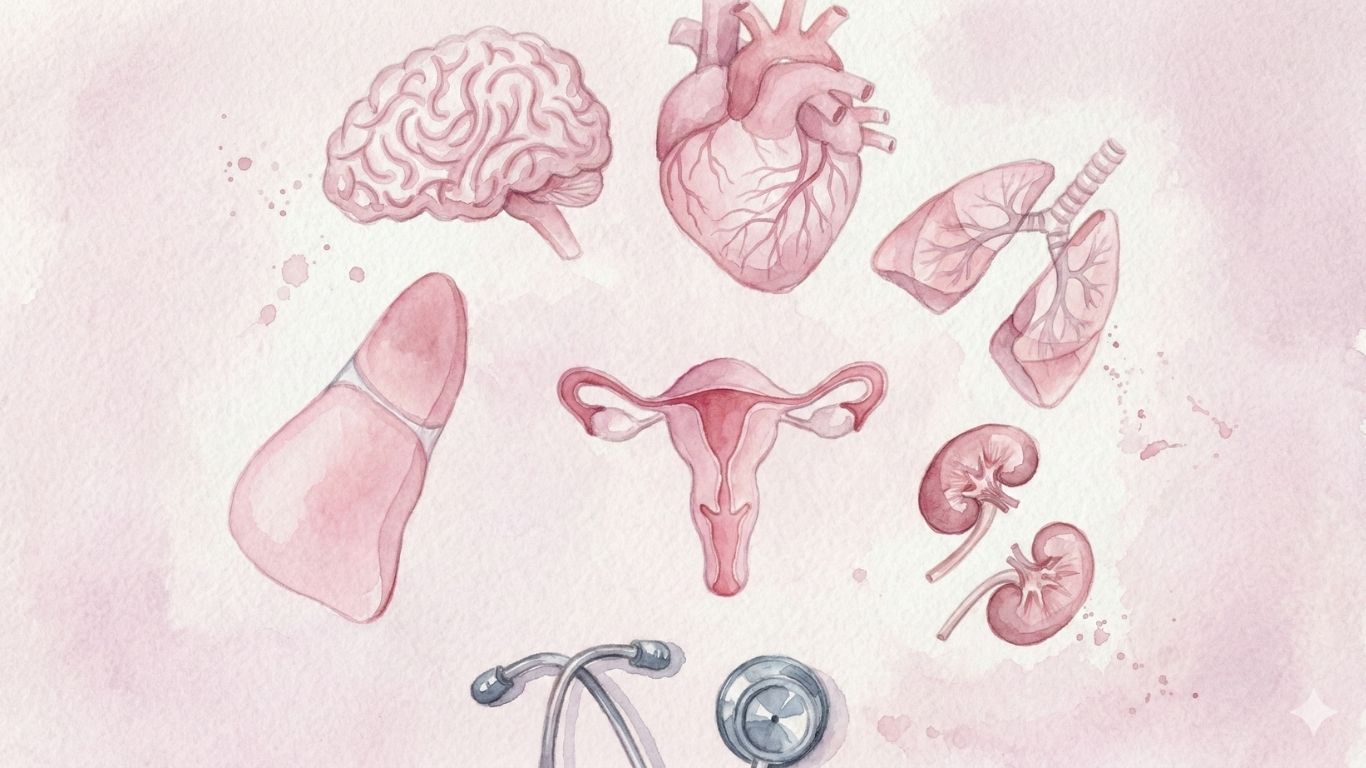
Lactobacilli are the unsung heroes of your vaginal health — tiny microbes with a big impact. By keeping your vaginal pH slightly acidic, they create a natural defence system that blocks out harmful bacteria and viruses linked to infections like BV, UTIs, and even STIs. They also produce lactic acid and hydrogen peroxide, acting like your body’s built-in antibiotics. When your Lactobacilli levels are strong, you’re more likely to feel fresh, comfortable, and balanced — and even boost your fertility. Supporting these good bacteria means supporting your overall sexual wellness, naturally.
What are Lactobacilli?
Lactobacilli are beneficial bacteria naturally found in the vaginal microbiome that produce lactic acid. Lactic acid makes the vagina slightly acidic, preventing the growth of harmful bacteria and yeast (Tachedjian et al., 2017).
Protection against STIs and UTIs
Lactobacilli play a key role in maintaining vaginal homeostasis by:
• Producing lactic acid, which lowers vaginal pH and inhibits the growth of harmful microbes
• Releasing hydrogen peroxide (H₂O₂) and bacteriocins to suppress pathogens
• Forming a protective biofilm that prevents pathogens from attaching to the vaginal wall
This environment helps prevent sexually transmitted infections (STIs) and Urinary Tract Infections (UTIs) by crowding out pathogens, such as Gardnerella, E. coli, and Candida, and inhibiting their growth (Avitabile et al., 2024; Ng et al., 2018).
How Lactobacilli Boost Immunity
Lactobacilli also help strengthen the immune defense of the vaginal mucosa by (Valenti et al., 2018):
• Modulating inflammation to maintain a balanced immune environment
• Strengthening the vaginal lining to block harmful germs
• Creating an acidic environment where harmful bacteria can’t grow
• Supporting a healthy immune response without causing irritation
Impact of Antibiotics and Hygiene Products on Lactobacilli
Antibiotics can kill Lactobacilli, along with harmful bacteria, which can cause other infections, such as yeast infections. Harsh hygiene products (like scented soap) can also alter vaginal pH and reduce Lactobacilli levels, allowing harmful pathogens to grow (Lehtoranta, 2022).
Ways to Support Lactobacilli Growth
You can support Lactobacilli growth by:
• 🥦 Eating probiotic-rich food
• 💊 Taking supplements
• 🧼Avoiding harsh and scented soaps
• 🛡️ Using protection during sex
Take Control of Your Sexual Health
Explore our Women’s extra-large sexual health package, which includes comprehensive STI testing and testing of your Lactobacilli levels.

📚 References
1. Avitabile, E., Menotti, L., Croatti, V., Giordani, B., Parolin, C., & Vitali, B. (2024). Protective Mechanisms of Vaginal Lactobacilli against Sexually Transmitted Viral Infections. International journal of molecular sciences, 25(17), 9168. https://doi.org/10.3390/ijms25179168
2. Lehtoranta, L., Ala-Jaakkola, R., Laitila, A., & Maukonen, J. (2022). Healthy vaginal microbiota and influence of probiotics across the female life span. Frontiers in Microbiology, 13, 819958. https://doi.org/10.3389/fmicb.2022.819958
3. Ng, Q. X., Peters, C., Venkatanarayanan, N., Goh, Y. Y., Ho, C. Y. X., & Yeo, W. S. (2018). Use of Lactobacillus spp. to prevent recurrent urinary tract infections in females. Medical hypotheses, 114, 49–54. https://doi.org/10.1016/j.mehy.2018.03.001
4. Tachedjian, G., Aldunate, M., Bradshaw, C. S., & Cone, R. A. (2017). The role of lactic acid production by probiotic Lactobacillus species in vaginal health. Research in Microbiology, 168(9–10), 782–792. https://doi.org/10.1016/j.resmic.2017.04.001
5. Valenti, P., Rosa, L., Capobianco, D., Lepanto, M. S., Schiavi, E., Cutone, A., Paesano, R., & Mastromarino, P. (2018). Role of Lactobacilli and Lactoferrin in the Mucosal Cervicovaginal Defense. Frontiers in immunology, 9, 376. https://doi.org/10.3389/fimmu.2018.00376