What is Escherichia coli
Escherichia coli (E. coli) is a type of bacteria that naturally lives in the intestines of humans and many animals. Most strains are harmless and even play a role in keeping the gut healthy by aiding digestion, producing certain vitamins, and helping control harmful bacteria (Kaper et al., 2004). However, some strains — such as Shiga toxin–producing E. coli (STEC) — can cause illness, leading to symptoms like diarrhoea, stomach cramps, and, in severe cases, kidney damage.
E. coli can be transmitted through contaminated food or water, undercooked meat, unpasteurised dairy products, or contact with infected animals or people. While many infections are mild and resolve on their own, serious infections can require medical attention, particularly in young children, older adults, and people with weakened immune systems. Maintaining good hygiene, safe food handling, and clean water sources are key to preventing infection.
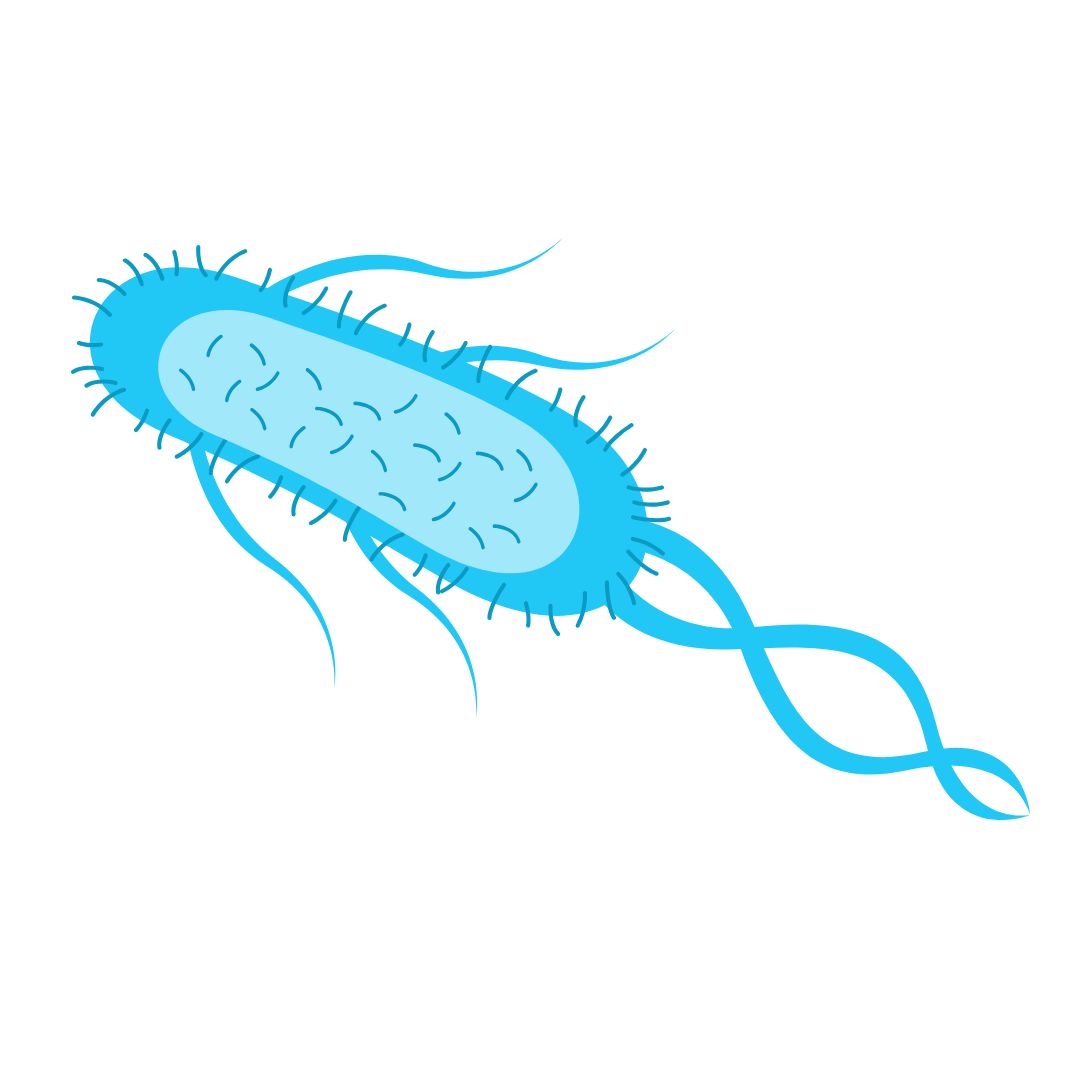
Escherichia coli
Escherichia coli Quick Facts
✔ What it is: A type of bacteria that naturally lives in the intestines of humans and animals.
✔ What it does: Helps with digestion, produces certain vitamins, and keeps harmful bacteria in check.
✔ Gut health: Most strains are harmless and support a healthy gut microbiome.
✔ Pathogenic strains: Some types — such as Shiga toxin–producing E. coli (STEC) — can cause illness, ranging from mild diarrhoea to serious kidney problems.
✔ How it spreads: Often through contaminated food or water, undercooked meat, unpasteurised dairy, or contact with infected people or animals.
✔ Where it’s found: In the gut, as well as in soil, water, and on raw foods like meat and vegetables.
✔ Prevention: Practise good hygiene, cook meat thoroughly, wash produce, and avoid unpasteurised dairy products.
Escherichia coli Can Help Safeguard Your Gut Health
While Escherichia coli is often associated with illness, most strains are actually harmless and can contribute to a healthy digestive system. These beneficial strains help break down nutrients, produce vitamins like vitamin K, and create compounds that limit the growth of harmful bacteria in the gut (Kaper et al., 2004).
By occupying space in the intestines, friendly E. coli also acts as a natural defence system, competing with potentially dangerous microbes for food and attachment sites. This protective role helps maintain a balanced microbiome, supports digestion, and strengthens the immune system’s ability to distinguish between friendly and harmful bacteria. In this way, non-pathogenic E. coli strains form part of the body’s first line of defence for gut health.
Symptoms of Unhealthy Escherichia coli Levels
When harmful strains of E. coli (such as Shiga toxin–producing E. coli or other pathogenic types) are present, or when the natural balance of gut E. coli is disrupted, symptoms can range from mild to severe:
✔ Gastrointestinal distress: watery or bloody diarrhoea, abdominal cramps, nausea, and vomiting (Kaper et al., 2004; Gomes et al., 2016).
✔ Fever: often accompanying active infection or inflammation (Kaper et al., 2004).
✔ Dehydration: due to fluid loss from diarrhoea, leading to dizziness, dry mouth, or reduced urination (Gomes et al., 2016).
✔ Persistent fatigue and weakness: linked to inflammation, toxin effects, or nutrient malabsorption (Gomes et al., 2016).
✔ Loss of appetite: common during gastrointestinal upset (Gomes et al., 2016).
✔ Signs of severe complications: including reduced urination, swelling, or neurological symptoms, which may indicate haemolytic uraemic syndrome (HUS), a rare but serious condition caused by certain E. coli strains (Kaper et al., 2004; Gomes et al., 2016).
Escherichia coli and Its Potential in Disease Prevention
Not all Escherichia coli are harmful — in fact, certain non-pathogenic strains may help protect against disease. These beneficial strains contribute to gut health by producing vitamin K, aiding digestion, and competing with harmful bacteria for nutrients and space, reducing their ability to grow (Kaper et al., 2004; Gomes et al., 2016). They also help stimulate the immune system, improving its ability to respond to pathogens while maintaining tolerance toward friendly microbes.
Some research suggests that specific probiotic E. coli strains, such as E. coli Nissle 1917, may help prevent or manage conditions like inflammatory bowel disease, infectious diarrhoea, and even respiratory infections by enhancing gut barrier integrity and immune regulation (Scaldaferri et al., 2016). By maintaining a balanced E. coli population, the body may be better equipped to prevent infections and reduce inflammation that can contribute to chronic disease.
How to Get Healthy Escherichia coli Levels
✔ Eat a fibre-rich diet: Plant-based fibres from fruits, vegetables, legumes, and whole grains feed beneficial gut bacteria, including healthy E. coli strains (Gomes et al., 2016).
✔ Include fermented foods: Yoghurt, kefir, sauerkraut, kimchi, and other fermented foods can help maintain a balanced gut microbiome.
✔ Consider targeted probiotics: Certain probiotic strains, like E. coli Nissle 1917, have been shown to help restore healthy gut function and support immune health (Scaldaferri et al., 2016).
✔ Practise good food hygiene: Wash produce, cook meat thoroughly, and avoid unpasteurised dairy to prevent infection from harmful E. coli strains (Kaper et al., 2004).
✔ Stay hydrated: Water supports digestion and helps beneficial bacteria thrive.
✔ Limit unnecessary antibiotic use: Overuse can disrupt the balance of healthy E. coli and other beneficial microbes in your gut.
Why to Test Your Escherichia coli Levels With Epicentre
Testing your Escherichia coli levels with Epicentre can give you valuable insight into your gut health and help identify whether the balance between beneficial and harmful strains is optimal. While many E. coli strains support digestion, vitamin production, and immune function, certain pathogenic types can cause gastrointestinal illness, inflammation, and even serious complications like haemolytic uraemic syndrome (Kaper et al., 2004; Gomes et al., 2016).
By analysing your gut microbiome, Epicentre can detect imbalances early, even before symptoms develop. This allows for targeted interventions, such as dietary adjustments, probiotic supplementation, or other treatments to restore healthy E. coli populations. Regular testing also helps track how lifestyle or treatment changes are affecting your gut health, empowering you to make informed decisions to protect your digestion, immunity, and overall well-being.
Getting your Escherichia coli level tested with Epicentre is easy! Book your test online to find out your levels now.


Core and Harmful Gut Microbes
Gut Health News
Keep up to date with all the latest developments within the company right here.