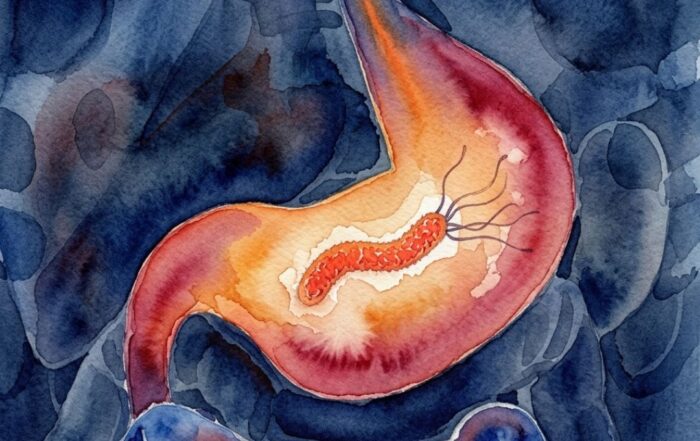
What is Cyclospora cayetanensis
Cyclospora cayetanensis is a microscopic parasite that infects the human small intestine and causes a diarrhoeal illness called cyclosporiasis. It is spread through food, water, or surfaces contaminated with parasite oocysts (spores). Unlike some other parasites, the oocysts passed in stool are not immediately infectious—they need days to weeks in the environment to become capable of infecting another person. This means cyclosporiasis does not usually spread directly from person to person, but through contaminated food or water (Hall et al., 2017).
Infection commonly leads to watery diarrhoea, stomach cramps, nausea, loss of appetite, bloating, fatigue, and weight loss. Symptoms may last from a few days to several weeks and can relapse if untreated. While many cases resolve on their own, prolonged illness can occur, especially in children or people with weakened immune systems. Outbreaks have often been linked to imported fresh produce such as berries, basil, or salad greens (Chacín-Bonilla, 2017). The illness is treatable with antibiotics.

Cyclospora cayetanensis
Cyclospora cayetanensis Quick Facts
✔️ What it is: A microscopic parasite that infects the small intestine and causes cyclosporiasis.
✔️ How it spreads: Through food or water contaminated with parasite oocysts (spores). These spores need days to weeks in the environment to become infectious, so they usually don’t spread directly person-to-person (Hall et al., 2017).
✔️ Common sources: Outbreaks are often linked to fresh produce such as berries, basil, lettuce, or other leafy greens (Chacín-Bonilla, 2017).
✔️ Symptoms: Watery diarrhoea, stomach cramps, bloating, nausea, fatigue, loss of appetite, and weight loss. Symptoms may relapse if untreated.
✔️ Who’s most at risk: Travellers, children, and people with weakened immune systems may have more severe or longer-lasting illness.
✔️ Treatment: Antibiotics are used for treatment, and supportive care with fluids is also essential.
✔️ Prevention: Wash produce thoroughly, drink safe/treated water, and practice good food hygiene—especially when travelling to or consuming food from high-risk regions.
The Body’s Immune Response to Cyclospora cayetanensis
When people eat food or drink water contaminated with Cyclospora cayetanensis (the parasite’s spores), the spores release sporozoites in the small intestine. These sporozoites invade the cells lining the gut and begin their life cycle. The body’s first line of defence, the innate immune system, reacts by triggering inflammation. This involves the release of chemical signals, such as interleukin-8 (IL-8), which helps to bring immune cells like neutrophils and macrophages to the site of infection (Chacín-Bonilla, 2017). The inflammation is what causes common symptoms such as watery diarrhoea, cramps, and bloating.
The adaptive immune system then kicks in to help the body fight off the infection. CD4+ T cells, especially Th1 cells, release interferon-γ (IFN-γ), which helps immune cells better attack the infected cells (Kirkpatrick, 2017). Additionally, B cells produce IgA antibodies that coat the gut lining, preventing the parasite from attaching to or re-infecting the cells (Ortega & Sanchez, 2010). In healthy people, this immune response clears the infection within a few weeks. However, in people with weakened immune systems, such as those with HIV/AIDS, the immune system has a harder time responding, leading to chronic or recurring diarrhoea (Chacín-Bonilla, 2017).
Symptoms of Unhealthy Cyclospora cayetanensis Levels
When Cryptosporidium infects the gut, it damages the lining of the small intestine, leading to diarrhoeal illness known as cryptosporidiosis. The most common symptom is watery diarrhoea, which can last for days to weeks depending on the person’s health (Checkley et al., 2015). Other frequent symptoms include abdominal cramps, nausea, vomiting, fever, and dehydration, all linked to the gut’s inflammatory response to the parasite (Ryan et al., 2016).
In healthy people, illness usually clears within 1–3 weeks, but in children under five, older adults, and people with weakened immune systems, symptoms can be more severe, prolonged, and even life-threatening (Kotloff et al., 2013). In immunocompromised individuals, such as those living with HIV/AIDS, Cryptosporidium infection may become chronic, causing ongoing diarrhoea, weight loss, and malnutrition (McKenney et al., 2017). The parasite can also disturb the gut microbiome, lowering the number of helpful bacteria and increasing harmful ones, which worsens gut health and delays recovery (McKenney et al., 2017).
Cyclospora cayetanensis Impact on South Africans’ Gut Health
A hidden burden in vulnerable communities. In South Africa, Cryptosporidium infections—particularly in rural areas—are a significant driver of diarrhoeal illness. One study across urban and rural clinics found that 25% of stool samples tested positive for Cryptosporidium (or Giardia), with Cryptosporidium being the more common culprit (Ngobeni et al., 2022). Its prevalence is higher among people living with compromised immunity; pooled data across southern Africa shows a prevalence of 25.2% among those with HIV/AIDS, compared to 20.5% in children and 17.9% in diarrhoeal patients (Omolabi et al., 2022).
Severe consequences, especially for children. Cryptosporidium is one of the leading causes of moderate-to-severe diarrhoea in African children under five, second only to rotavirus, resulting in nearly 2.9 million infections annually in sub-Saharan Africa and more than doubling mortality risk in 12–23-month-old children (Squire & Ryan, 2017). In South Africa and beyond, repeated infections can impair gut health, nutrition, and overall development in young children. They are linked with stunted growth, cognitive delays, and prolonged health challenges (Prabakaran, 2023; Squire & Ryan, 2017).
Supporting Gut Defences Against Cyclospora cayetanensis
When Cyclospora cayetanensis infects the small intestine, it causes the illness known as cyclosporiasis. The hallmark symptom is watery diarrhoea, which may last from a few days to several weeks and can come in relapsing cycles if untreated (Ortega & Sanchez, 2010). Other frequent symptoms include abdominal cramps, bloating, nausea, fatigue, loss of appetite, weight loss, and sometimes low-grade fever (Chacín-Bonilla, 2017).
In most healthy adults, infection clears with treatment, but in children, travellers, and people with weakened immune systems, illness may be more severe and prolonged. Persistent diarrhoea can lead to dehydration, malnutrition, and weight loss, especially in vulnerable groups (Kirkpatrick, 2017). Because oocysts are often found on fresh produce, outbreaks tend to affect many people at once, leading to widespread community illness.
Why Test Your Cyclospora cayetanensis Levels With Epicentre
1. Early Detection Protects Health
Cyclospora cayetanensis is a microscopic parasite that infects the intestines and causes prolonged diarrhoea, stomach cramps, nausea, bloating, and fatigue. In children, the elderly, and people with weakened immune systems, infection can be severe and lead to dehydration and malnutrition. Early testing helps identify the parasite before serious complications develop (Ortega & Sanchez, 2010; Lalonde & Gajadhar, 2016).
2. Identify Sources of Infection
The parasite is usually spread through contaminated food and water, particularly fresh produce like leafy greens and berries. In South Africa, Cyclospora outbreaks have been linked to imported and local produce. Testing helps trace exposure sources and reduce the risk of spreading the parasite to household members and the community (Ortega & Sanchez, 2010).
3. Receive Clear, Actionable Guidance
Epicentre provides patient-friendly reports that explain your Cyclospora levels and the impact on your gut health. These reports allow healthcare providers to give personalised advice on hydration, diet, and treatment strategies to restore gut balance and prevent further illness (Lalonde & Gajadhar, 2016).
4. Relevant Across All Communities
Although often associated with poor sanitation, Cyclospora can affect urban and middle- to upper-class households through contaminated fresh produce, water, or food handling errors. Testing ensures that everyone can take steps to protect their gut health and prevent prolonged illness (Ortega & Sanchez, 2010).
✅ In short: Testing for Cyclospora cayetanensis with Epicentre provides early detection, identifies potential sources of infection, and gives actionable steps to safeguard gut health for all South Africans.


Core and Harmful Gut Microbes
Gut Health News
Keep up to date with all the latest developments within the company right here.