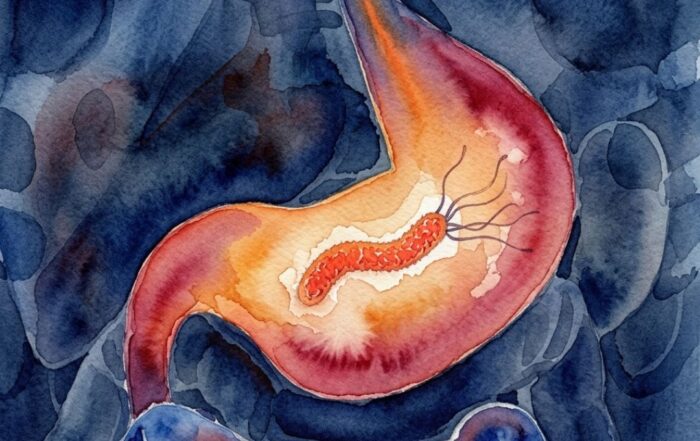
What is Enteroaggregative E. coli (EAEC)
Enteroaggregative Escherichia coli (EAEC) is a type of diarrhoeagenic E. coli that is increasingly recognised as an emerging global pathogen. It is named for its ability to form a distinctive “stacked-brick” pattern when it clumps together on the surface of intestinal cells — a behaviour that helps it attach strongly and persist in the gut (Elias & Navarro-García, 2016).
EAEC causes both acute and persistent diarrhoea, particularly in children, immunocompromised individuals, and travellers to regions where it is common. Persistent infections have been linked to growth delays and cognitive impairment in children from low-income settings, highlighting their broader public health impact (Elias & Navarro-García, 2016; Izquierdo et al., 2022).
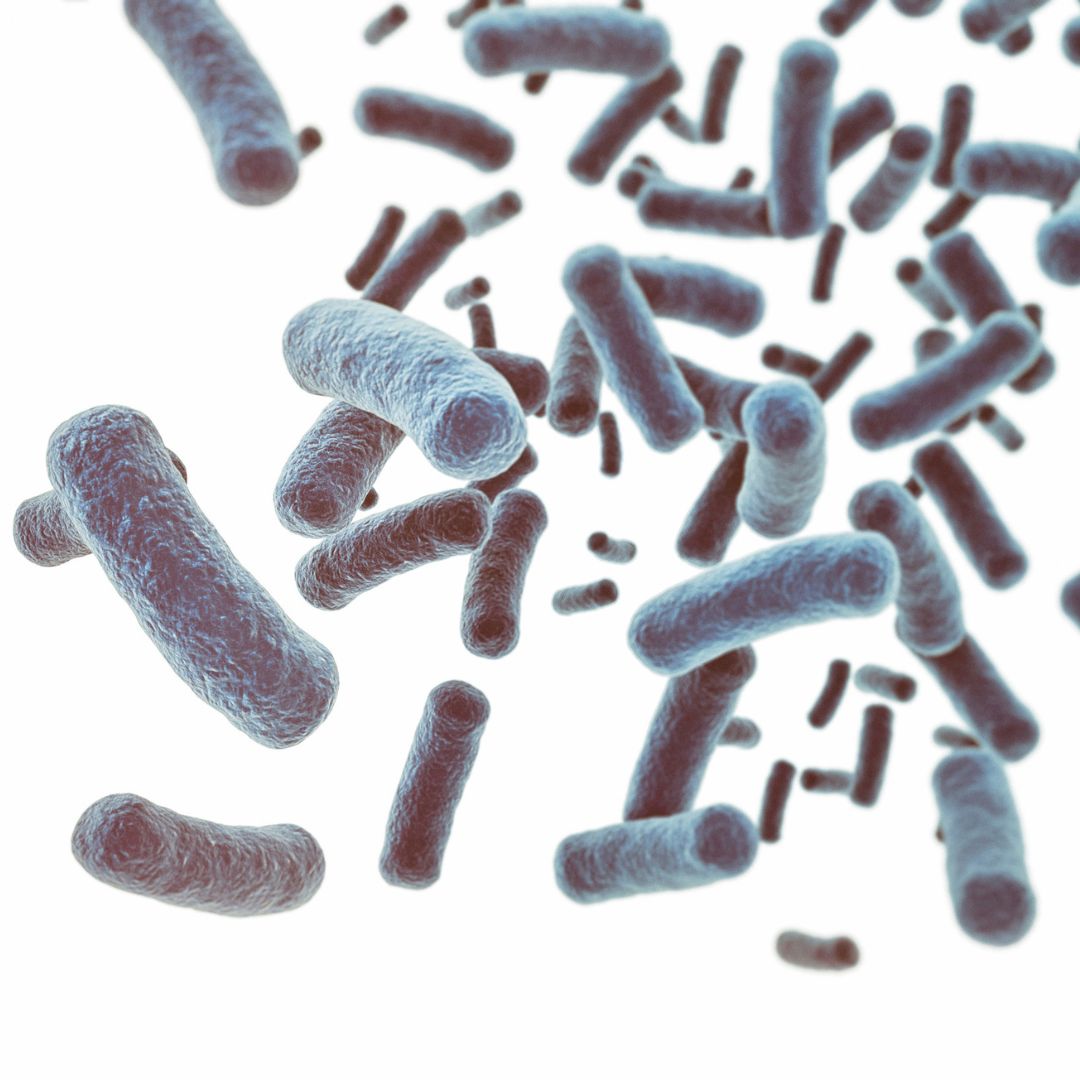
Enteroaggregative E. coli (EAEC)
Enteroaggregative E. coli (EAEC) Quick Facts
✔️ What it is: A diarrhoeagenic strain of E. coli known for its “stacked-brick” pattern of attachment to intestinal cells, allowing it to persist in the gut.
✔️ How it spreads: Transmitted through contaminated food, water, or direct contact with infected individuals.
✔️ Who is most at risk: Infants, young children, travellers, and people with weakened immune systems.
✔️ Main symptoms: Watery or persistent diarrhoea, abdominal cramps, nausea, low-grade fever, and dehydration.
✔️ Persistent infections: EAEC can cause prolonged diarrhoea, which may last for weeks, contributing to malnutrition and stunted growth in children.
✔️ Biofilm formation: EAEC forms biofilms — protective bacterial layers — making infections more chronic and harder to clear.
✔️ Virulence factors: Produces adhesins, toxins, and inflammatory proteins that damage intestinal cells and trigger immune responses.
✔️ Long-term health effects: Linked to impaired growth and cognitive development in children due to nutrient malabsorption and chronic gut inflammation.
✔️ Global health relevance: Considered an emerging pathogen and a major cause of both acute and persistent diarrhoea in developing countries.
✔️ Gut health impact: EAEC disrupts the microbiome, reducing the balance of beneficial bacteria and weakening gut defences.
✔️ Treatment challenges: Increasing reports of antibiotic resistance make management difficult; supportive care and hydration remain critical.
✔️ Prevention tips: Practise good hand hygiene, wash fruits and vegetables, cook food thoroughly, and ensure access to safe drinking water.
The Body’s Immune Response to Enteroaggregative E. coli (EAEC)
When EAEC enters the gut, the body reacts quickly. The first defence is the innate immune system — the gut lining recognises the bacteria as harmful and sends out warning signals called cytokines. These signals attract immune cells such as neutrophils and macrophages, which try to destroy the bacteria (Harrington et al., 2006). However, EAEC is very good at sticking to the gut wall and forming biofilms (protective layers of bacteria), which makes it hard for the body to clear it completely.
This ongoing battle causes inflammation in the gut, leading to diarrhoea and discomfort. At the same time, the adaptive immune system starts working. Specialised white blood cells produce antibodies (like IgA) that stop EAEC from attaching to the gut lining and help neutralise its toxins (Elias & Navarro-García, 2016). Other immune cells (T cells) also step in to regulate inflammation and support healing. If the body successfully clears the infection, it creates immune memory, which helps fight off the same bacteria faster in the future.
The challenge is that EAEC uses many different tricks to stay in the gut so that infections can become long-lasting. This is especially dangerous for children or people with weak immune systems, as it can cause dehydration, poor nutrient absorption, and long-term gut problems (Izquierdo et al., 2022)
Symptoms of Unhealthy Enteroaggregative E. coli (EAEC) Levels
Digestive Symptoms
When EAEC overgrows in the gut, it most often causes persistent watery diarrhoea, which may last for days or even weeks. This happens because EAEC sticks strongly to the gut lining and damages its cells, reducing the ability to absorb fluids and nutrients (Harrington et al., 2006). Alongside diarrhoea, people often experience stomach cramps, nausea, bloating, and sometimes low-grade fever.
Long-Term Effects
In children, especially those in low-resource settings, ongoing EAEC infections can lead to malnutrition, weight loss, and stunted growth because the body struggles to take in enough nutrients (Izquierdo et al., 2022). Chronic gut inflammation caused by EAEC may also weaken the balance of the gut microbiome, leaving the digestive system more vulnerable to future infections and causing recurring illness (Elias & Navarro-García, 2016).
Severe Cases
While healthy adults may clear the infection with mild discomfort, vulnerable groups such as infants, immunocompromised people, and the elderly can suffer from severe dehydration and weakness. Without proper rehydration and care, these cases can become life-threatening.
Enteroaggregative E. coli (EAEC) Impact on South Africans’ Gut Health
EAEC in Vulnerable Communities
In lower-income areas, EAEC infections are strongly linked to poor sanitation, unsafe water, and limited healthcare access. Here, the bacterium contributes to persistent diarrhoea, malnutrition, and stunted growth in children, reinforcing cycles of poor health (Aijuka et al., 2018; Okeke et al., 2021).
EAEC in Middle- and Upper-Class Communities
While often overlooked, EAEC also impacts middle- and higher-income groups. Studies in South Africa have detected diarrhoeagenic E. coli, including EAEC, in raw vegetables, street-vended food, and even supermarket produce (Aijuka et al., 2018). This means that even families with access to modern supermarkets and safe housing can be exposed through everyday food sources. In these communities, infection may present as sporadic gastroenteritis or prolonged digestive discomfort, sometimes mistaken for irritable bowel syndrome (IBS) or food intolerances.
International travel, dining out, and the growing popularity of raw foods such as sushi, fresh salads, or unpasteurised juices can also increase exposure risks for wealthier households. Importantly, EAEC’s ability to form biofilms makes it resilient in food processing environments, which means contamination can persist despite high standards of food handling (Izquierdo et al., 2022).
Gut Health Consequences
For wealthier communities, EAEC infections may not always result in severe dehydration or stunting, but they can still disrupt the gut microbiome and trigger chronic low-grade inflammation. This can lead to recurring diarrhoea, nutrient absorption issues, and long-term gut imbalance, which may lower resilience against other infections (Okeke et al., 2021). Children in these groups remain at risk of growth delays if infections are recurrent, even if they have good nutrition otherwise.
✅ In summary: While EAEC is often seen as a disease of poverty, its presence in fresh produce, street food, and even globalised food chains means that all socioeconomic groups in South Africa are exposed. For middle- and upper-class communities, the risk lies less in lack of access to clean water and more in the hidden contamination of food sources and lifestyle choices.
Supporting Gut Defences Against Enteroaggregative E. coli (EAEC)
1. Strengthen the Gut Microbiome
The healthiest defence against EAEC is a balanced gut microbiome. Beneficial bacteria compete with harmful strains for space and nutrients, making it harder for EAEC to take hold. Eating probiotic-rich foods like yoghurt, kefir, kimchi, or sauerkraut and prebiotics such as garlic, onions, and bananas helps promote good bacteria (Okeke et al., 2021).
2. Practise Food and Water Safety
EAEC often spreads through contaminated food and water. Washing fruits and vegetables thoroughly, cooking food properly, and avoiding untreated water are vital steps to reduce infection risk. In South Africa, where EAEC has been found in irrigation water and supermarket produce, everyday hygiene is critical for all households, not only those in lower-income areas (Aijuka et al., 2018).
3. Support Immune Strength
A strong immune system makes it easier to clear EAEC infections. Adequate sleep, stress management, regular exercise, and good nutrition all play a role in maintaining immune defences. Nutrients such as zinc and vitamin A are especially important for gut barrier repair and immune function (Izquierdo et al., 2022).
4. Rehydration and Nutrient Support During Infection
For anyone experiencing diarrhoea caused by EAEC, oral rehydration solutions (ORS) are essential to replace lost fluids and electrolytes. Children, the elderly, and immunocompromised individuals are especially vulnerable to dehydration. Adding zinc supplementation during recovery has also been shown to improve gut healing and reduce the duration of diarrhoeal episodes (Okeke et al., 2021).
✅ In summary: Keeping the gut resilient against EAEC involves a combination of microbiome support, safe food practices, strong immunity, and hydration during illness. These steps protect not only vulnerable groups but also wealthier households, who may face exposure through contaminated produce, restaurant meals, or international travel.
Why Test Your Enteroaggregative E. coli (EAEC) Levels With Epicentre
Early Detection Protects Gut Health
EAEC is one of the most common diarrhoeagenic E. coli strains in South Africa, often linked to persistent diarrhoea and malnutrition in children, as well as recurring digestive problems in adults (Aijuka et al., 2018). Because it can hide in food and water sources—even in well-off communities—it is easy to get exposed without realising it. Testing with Epicentre allows for early identification, which means you can take action before complications like dehydration, nutrient loss, or chronic gut disruption develop.
Clear and Practical Results
At Epicentre, results are presented in a functional health report that is easy to understand for both patients and healthcare providers. This goes beyond a simple “positive” or “negative” result by showing how EAEC may be affecting your overall gut balance. This allows you to take the right next steps—whether that’s rehydration support, nutritional guidance, or targeted treatment—and helps prevent repeat infections (Okeke et al., 2021).
Relevance for All Communities
While EAEC is often seen as a challenge in lower-income areas due to sanitation issues, studies show it is also present in supermarket produce, raw vegetables, and even street-vended food in South Africa (Aijuka et al., 2018). This means middle- and upper-class families are not exempt. By testing with Epicentre, you gain peace of mind and personalised advice to protect your family’s gut health—no matter where you live.
✅ In short: Testing your EAEC levels with Epicentre helps safeguard against hidden gut infections, provides actionable insights, and ensures that you and your loved ones maintain a healthy microbiome.


Core and Harmful Gut Microbes
Gut Health News
Keep up to date with all the latest developments within the company right here.