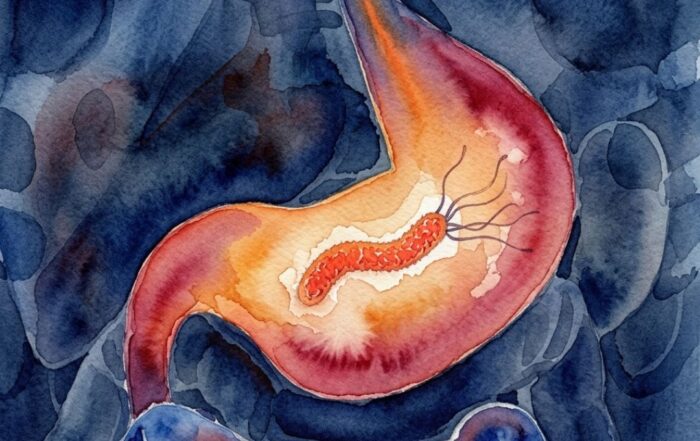
What is Shigella/ E. coli (EIEC)
Enteroinvasive Escherichia coli (EIEC) are a type of E. coli that behaves very similarly to Shigella bacteria. In fact, they share much of the same genetic makeup and cause nearly identical illnesses. Both invade the lining of the large intestine, leading to inflammation and symptoms such as diarrhoea (sometimes with blood or mucus), abdominal cramps, fever, and a general feeling of being unwell. Because of this close similarity, EIEC infections are often clinically indistinguishable from Shigella infections (Lan et al., 2004).
These bacteria spread through contaminated food, water, or direct contact with an infected person. Outbreaks are often linked to poor sanitation or food handling practices. While most people recover with supportive care such as fluids and rest, severe cases may require medical attention, especially in young children or people with weakened immune systems. Preventing EIEC and Shigella infection relies heavily on safe food preparation, handwashing, and access to clean water (Nataro & Kaper, 1998).

Shigella/ E. coli (EIEC)
Shigella/ E. coli (EIEC) Quick Facts
✔️ What they are: EIEC are a type of Escherichia coli that act almost the same as Shigella bacteria. Both invade the intestinal lining and cause illness that looks very similar (Lan et al., 2004).
✔️ Symptoms: Diarrhoea (sometimes with blood or mucus), abdominal pain, fever, and cramps. Illness often resembles dysentery (Nataro & Kaper, 1998).
✔️ How they spread: Contaminated food and water, poor hygiene, or direct contact with an infected person. Outbreaks are common where sanitation is inadequate.
✔️ Who’s most at risk: Children, the elderly, and people with weakened immune systems are more likely to develop severe disease.
✔️ Treatment: Most cases improve with fluids and rest. Antibiotics are sometimes used in severe cases, but prevention through clean water, handwashing, and safe food handling is most effective.
The Body’s Immune Response to Shigella/ E. coli (EIEC)
When Shigella or enteroinvasive Escherichia coli (EIEC) enter the gut, the body’s first defence is the innate immune system. These bacteria invade the lining of the large intestine, where special sensors on gut cells detect their toxins and surface molecules. This activates immune signals such as NF-κB, which trigger the release of inflammatory messengers like interleukin-8 (IL-8) and tumour necrosis factor alpha (TNF-α). These signals call in white blood cells—neutrophils and macrophages—to fight the infection. The result is inflammation, tissue damage, and common symptoms like diarrhoea, cramps, and fever (Ashida et al., 2015; Kotloff et al., 2018; Phalipon & Sansonetti, 2007).
The adaptive immune system then takes over to provide stronger, longer-term protection. Dendritic cells show bacterial fragments to T cells, which activate responses (Th1 and Th17) that target bacteria living inside cells (Raqib & Wierzba, 2015). B cells also make antibodies, especially secretory IgA, which help block bacteria from attaching to gut cells (Niyogi, 2005). However, Shigella and EIEC are clever pathogens—they release proteins that interfere with immune signals and even kill some host cells, allowing them to survive longer and cause more severe illness (Ashida et al., 2015; Schroeder & Hilbi, 2008).
Symptoms of Unhealthy Shigella/ E. coli (EIEC) Levels
When Shigella or enteroinvasive E. coli (EIEC) infect the gut, they invade the intestinal lining and cause inflammation, leading to illness that often resembles dysentery. The most common symptoms include:
Diarrhoea – can range from watery to bloody or with mucus, depending on severity (Kotloff et al., 2018).
Abdominal cramps and pain – caused by irritation and inflammation in the large intestine (Ashida et al., 2015).
Fever and chills – as the immune system reacts to the infection (Niyogi, 2005).
Nausea and sometimes vomiting – particularly in more severe cases (Kotloff et al., 2018).
Urgency and frequent bowel movements – due to disruption of the colon’s normal function (Schroeder & Hilbi, 2008).
In children, the elderly, and those with weaker immune systems, the illness can be more severe, sometimes leading to dehydration or longer-lasting complications if not treated properly. Most people recover within a week, but medical care is needed if symptoms are severe or persistent (Kotloff et al., 2018).
Shigella/ E. coli (EIEC) Impact on South Africans’ Gut Health
Shigella and enteroinvasive Escherichia coli (EIEC) are closely related bacteria that cause very similar illness, often presenting as dysentery. They invade and damage the lining of the large intestine, leading to diarrhoea (sometimes bloody), abdominal cramps, and fever (Kotloff et al., 2018; Niyogi, 2005). Children under five are particularly vulnerable, and studies in Africa have shown that Shigella is one of the leading bacterial causes of moderate-to-severe diarrhoea in this age group (Kotloff et al., 2013). For South Africa, where childhood diarrhoeal disease remains a public health concern, these infections add to the burden of malnutrition and poor growth outcomes.
Beyond individual illness, Shigella and EIEC thrive in settings with poor sanitation, unsafe water, and limited hygiene, making them not just hospital problems but household and community challenges. Outbreaks have been reported in schools, childcare centres, and communities where food and water safety is compromised (Keddy et al., 2017). The bacteria spread easily from person to person, and even a small infectious dose can trigger disease. Repeated infections may weaken gut function, worsen nutrient absorption, and increase risks of long-term gut inflammation in vulnerable groups (Kotloff et al., 2018).
Key Takeaways
Children at highest risk: In South Africa and other African countries, Shigella is a major contributor to childhood diarrhoeal disease and can worsen malnutrition and growth problems (Kotloff et al., 2013).
Low infectious dose: Only a small number of bacteria can cause illness, meaning person-to-person spread is common in homes and schools (Niyogi, 2005).
Community challenge: Poor sanitation and unsafe water make infections more likely, highlighting the importance of hygiene, safe food preparation, and improved water access (Keddy et al., 2017).
Supporting Gut Defences Against Shigella/ E. coli (EIEC)
Shigella and enteroinvasive Escherichia coli (EIEC) infect the large intestine by invading and damaging its lining, which triggers inflammation and diarrhoea. Since even a very small dose of bacteria can cause illness, prevention and strong gut defences are essential (Kotloff et al., 2018; Niyogi, 2005).
Gut health as a defence
A balanced gut microbiome is one of the body’s strongest shields against Shigella and EIEC. Beneficial bacteria such as Lactobacillus and Bifidobacterium compete with harmful strains, strengthen the gut barrier, and boost immune signalling (Milani et al., 2017). Diets rich in fibre from vegetables, legumes, and whole grains promote this balance, helping the gut resist infection (Makki et al., 2018).
Hygiene and food safety
Because Shigella and EIEC spread easily through contaminated food, water, and hands, simple habits can reduce risk:
Wash your hands with soap, especially before eating and after using the toilet.
Cook foods like mince and poultry thoroughly.
Drink safe or boiled water and avoid unpasteurised milk and juices.
Wash fresh produce before eating.
Care during infection
Hydration is key, since diarrhoea can lead to rapid fluid loss. Oral rehydration solutions help replace water and electrolytes (Freedman et al., 2016). Unlike many other bacterial infections, antibiotics are not always first-line, as resistance is common, and their use is reserved for severe cases under medical guidance (Kotloff et al., 2018).
Why Test Your Shigella/ E. coli (EIEC) Levels With Epicentre
1. Early Detection Protects Health
Shigella and enteroinvasive E. coli (EIEC) are bacteria that can cause bloody diarrhoea, stomach cramps, fever, and nausea. Early detection is crucial because infections can lead to dehydration and more serious complications, especially in children, the elderly, and people with weakened immune systems (Kotloff et al., 2018; Thanh et al., 2021). Testing allows healthcare providers to intervene early and prevent symptoms from worsening.
2. Protect Your Household and Community
Shigella / EIEC spreads easily through contaminated food, water, or surfaces. Testing helps identify carriers or contaminated sources, reducing the risk of transmission within families or communities, which is particularly important in South African urban and rural settings where sanitation may be variable (Nataro & Kaper, 1998; Kotloff et al., 2018).
3. Receive Clear, Actionable Guidance
Epicentre provides patient-friendly functional health reports, explaining how Shigella / EIEC affects your gut health and overall well-being. This allows doctors to give personalised advice on hydration, diet, and treatment options, helping restore gut balance and prevent complications (Thanh et al., 2021).
4. Relevant Across All Communities
Although often linked to poor sanitation, Shigella / EIEC exposure can occur in urban and middle- to upper-class households through contaminated produce, food handling errors, or water sources. Testing provides reassurance and protection for all South Africans, regardless of socioeconomic status (Nataro & Kaper, 1998).
✅ In short: Testing your Shigella / EIEC levels with Epicentre gives early detection, reduces the risk of transmission, and provides actionable guidance to protect your gut health and overall well-being.


Core and Harmful Gut Microbes
Gut Health News
Keep up to date with all the latest developments within the company right here.