What is Plesiomonas shigelloides
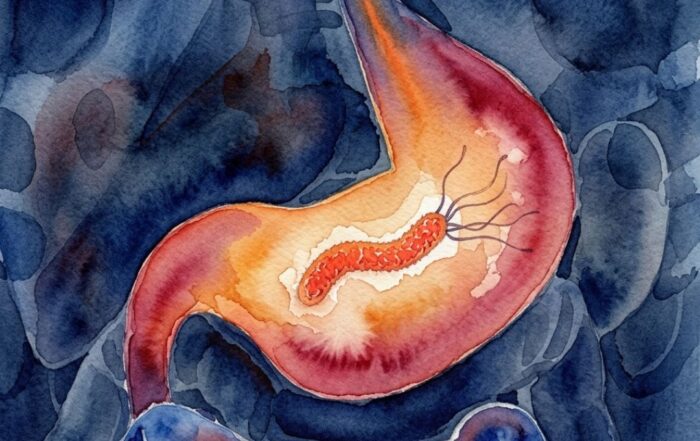
Plesiomonas shigelloides is a type of bacterium that lives in water such as rivers, lakes, and the sea. Most of the time, it can live quietly in the gut without causing any problems. But if someone drinks contaminated water or eats unsafe food (especially seafood), it can sometimes make them sick.
When it does cause illness, it usually shows up as stomach bugs like diarrhoea, tummy cramps, nausea, and fever. In rare cases, especially in people with weak immune systems, it can cause more serious infections like blood poisoning or meningitis.
Even though it doesn’t always cause harm, if the gut is out of balance, these bacteria can become a problem. That’s why keeping an eye on its levels can help protect your gut and overall health.
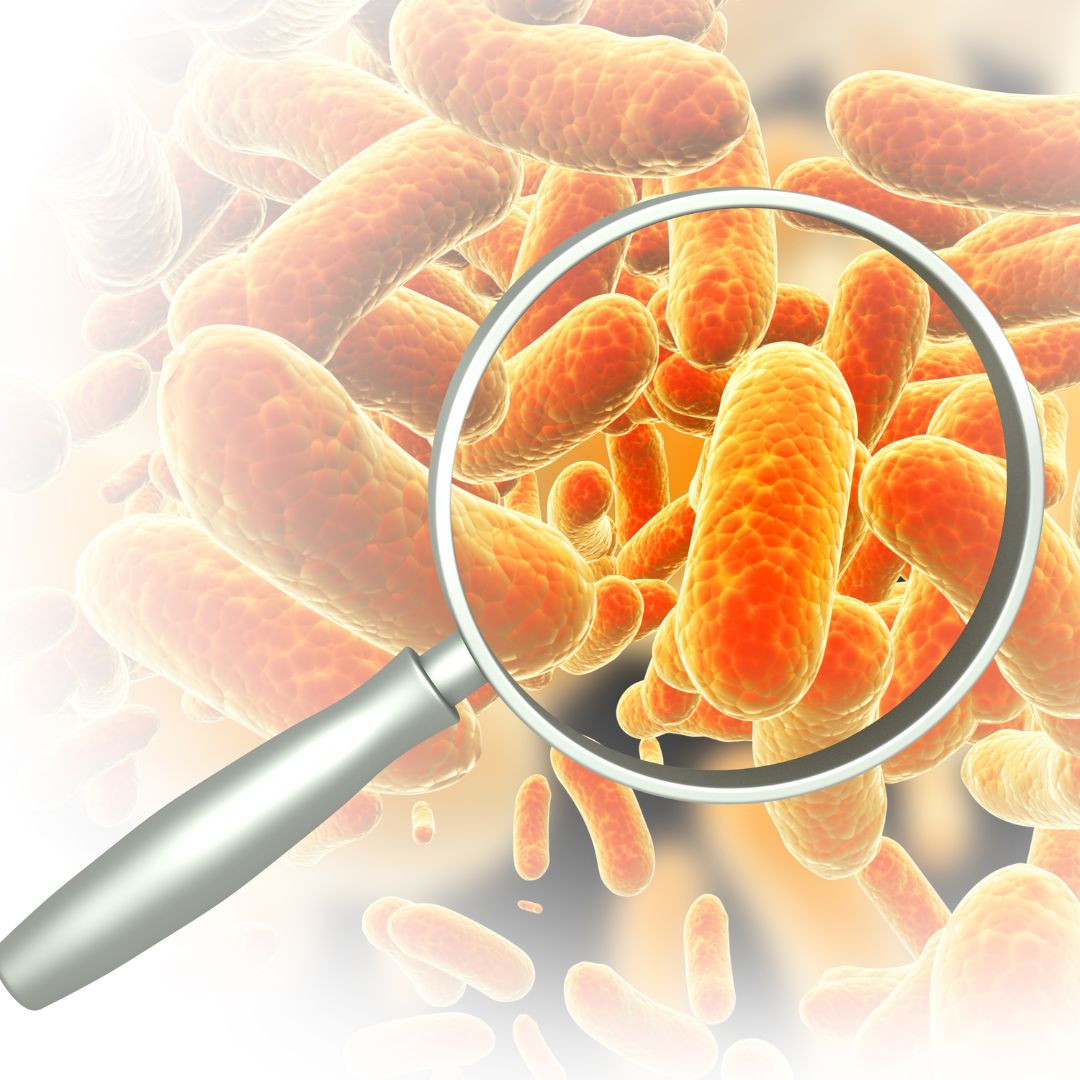
Plesiomonas shigelloides
Plesiomonas shigelloides Quick Facts
✔️ Where it lives: Found in freshwater rivers, lakes, and coastal waters (Janda & Abbott, 2010; Stock et al., 2021).
✔️ How people get it: Usually from drinking contaminated water or eating unsafe food, especially seafood like oysters or sushi (Janda & Abbott, 2010; Stock et al., 2021).
✔️ What it can cause: Causes diarrhoea, stomach cramps, nausea, and fever; in rare cases, can lead to serious infections such as blood poisoning or meningitis (Janda & Abbott, 2010).
✔️ Who’s at higher risk: People with weakened immune systems, young children, and the elderly are more vulnerable (Janda & Abbott, 2010).
✔️ Gut health link: Normally harmless in small amounts, but may cause problems if the gut microbiome becomes unbalanced (Stock et al., 2021).
✔️ Unique fact: Unlike many gut bacteria, Plesiomonas is closely related to Vibrio species — the same family that includes Vibrio cholerae, the cause of cholera (Janda & Abbott, 2010).
✔️ Food outbreaks: Linked to foodborne outbreaks from raw seafood such as sushi and oysters, particularly in tropical and subtropical regions (Stock et al., 2021).
✔️ Microbe teamwork: Can sometimes “team up” with other gut microbes, worsening diarrhoeal illness (Stock et al., 2021).
✔️ Underdiagnosed: Likely underreported, since many laboratories do not routinely test for it (Janda & Abbott, 2010; Stock et al., 2021).
The Body’s Immune Response to Plesiomonas shigelloides
1. First Line of Defence: Innate Immunity
When P. shigelloides enters the gut (typically via contaminated food or water), the innate immune system responds first. The gut lining releases antimicrobial peptides, and immune cells such as neutrophils and macrophages are recruited to attack the bacteria. This inflammation leads to diarrhoea and abdominal pain as the body attempts to expel the pathogen (Stock, 2004).
2. Role of Toxins
The bacterium produces enterotoxins that damage and irritate the gut lining. These toxins increase fluid secretion and disrupt electrolyte balance, which results in watery diarrhoea. They also stimulate immune cells to release cytokines (chemical messengers) that amplify gut inflammation (Khadka et al., 2021).
3. Adaptive Immunity
If the infection persists, the adaptive immune system becomes involved. B cells produce IgA antibodies in the gut that neutralise bacteria and toxins, while T cells coordinate a more targeted immune response, helping to destroy infected cells and regulate inflammation (Stock, 2004).
4. Systemic Infection
In vulnerable individuals (such as those with weakened immunity), P. shigelloides can spread beyond the gut, leading to septicaemia (bloodstream infection) or meningitis. These systemic infections trigger widespread immune activation, which may become harmful if uncontrolled (Khadka et al., 2021).
5. Recovery & Immunity
Most healthy people recover within a few days as the immune system clears the infection. The gut microbiota plays a key role in restoring balance. However, because P. shigelloides is relatively uncommon, long-term immunity is uncertain, and reinfections can occur (Stock, 2004).
✅ In simple terms: The immune system fights P. shigelloides by causing gut inflammation and flushing it out with diarrhoea, while antibodies help neutralise the bacteria and toxins. Most people recover quickly, but in some cases it can spread and cause dangerous infections.
Symptoms of Unhealthy Plesiomonas shigelloides Levels
1. Digestive Symptoms
Diarrhoea – watery or sometimes bloody, lasting a few days (Stock, 2004).
Abdominal cramps and pain – due to inflammation of the intestinal lining (Khadka et al., 2021).
Nausea and vomiting are common when the infection is foodborne.
Fever and chills – showing that the immune system is actively fighting the bacteria.
2. Severe or Complicated Infections
In some cases, especially in people with weaker immune systems, symptoms may become more dangerous:
Septicaemia (bloodstream infection) – causing fever, low blood pressure, and systemic illness.
Meningitis – rare but reported, presenting with headache, stiff neck, and confusion.
Persistent diarrhoea – in immunocompromised or malnourished patients, it can last much longer than the usual few days.
3. Gut Health Imbalance
When P. shigelloides is present in small amounts, it may not cause illness. But if the gut microbiome is disrupted (e.g., after antibiotics, poor diet, or another infection), it can flourish and trigger:
Worsening of diarrhoeal illness when combined with other pathogens.
Loss of healthy gut bacteria balance, leading to bloating, irregular stools, and digestive discomfort (Khadka et al., 2021).
4. Risk Groups
Symptoms tend to be more severe in:
– Young children
– Elderly adults
– People with HIV/AIDS, cancer, or chronic illness
– Travellers to tropical/subtropical areas where outbreaks from seafood (sushi, oysters) are more common (Khadka et al., 2021).
✅ In simple terms: Mild infections usually look like a short-lived stomach bug (diarrhoea, cramps, nausea), but in rare cases Plesiomonas shigelloides can spread beyond the gut and cause life-threatening illness.
Plesiomonas shigelloides Impact on South Africans Gut Health
Although Plesiomonas shigelloides is not commonly highlighted, it is a known cause of bacterial diarrhoeal illness in Africa, including parts of South Africa. Its prevalence in watery environments and foodborne outbreaks suggests it plays a meaningful role in local gastrointestinal health, particularly where hygiene and water sanitation may be variable (Ali et al., 2014; Janda & Abbott, 2014; Tsukamoto et al., 2021).
A study in rural South Africa found that P. shigelloides accounted for 17% of chronic diarrhoea cases among people living with HIV (PLHIV)—a noteworthy proportion, surpassed only by Campylobacter spp. (20%) (Samie et al., 2009). This highlights its particular relevance in vulnerable populations where immune systems are compromised. In these settings, disruptions to the gut microbiome—commonly due to infections, malnutrition, or antibiotic use—can allow P. shigelloides to overgrow, worsen diarrhoeal illness, disrupt gut barrier function, and perpetuate inflammation (Ali et al., 2014; Janda & Abbott, 2014).
How to Get Healthy Plesiomonas shigelloides Levels
1. Prioritise food and water safety: Avoid consuming raw or undercooked seafood, especially shellfish, and ensure your drinking water is clean. These are common ways P. shigelloides can enter the body (Centers for Disease Control and Prevention [CDC], 2025; Wisconsin Department of Health Services [DHS], 2021).
2. Practice rigorous hand hygiene: Washing hands thoroughly with soap and water—after bathroom use, before food preparation—can limit its spread via the faecal–oral route (DHS, 2021).
3. Avoid contact with contaminated environments: Be cautious around contaminated freshwater sources like lakes or rivers, and clean aquariums or fish tanks carefully, as they can harbour the bacteria (DHS, 2021).
4. Stick to safe water practices when travelling: If you’re unsure about water safety, boil water before drinking or use bottled water to reduce risk (DHS, 2021).
5. Watch for symptom signs and manage dehydration early: Should symptoms like sudden diarrhoea, nausea, or stomach cramps occur, rehydrate with fluids; seek medical care if symptoms worsen or persist—especially for vulnerable individuals (DHS, 2021; Cortés-Sánchez et al., 2021).
Why Test Your Plesiomonas shigelloides Levels With Epicentre
Uncover Hidden Gut Issues
Plesiomonas shigelloides infections often go unnoticed or misdiagnosed, yet they can cause diarrhoea, abdominal cramps, and long-term gut inflammation if untreated (Cortés-Sánchez et al., 2021). Testing helps you detect problems early, even if symptoms seem mild.
Protect Vulnerable Populations
In South Africa, P. shigelloides has been linked to chronic diarrhoea in people living with HIV (PLHIV) — making testing especially important for individuals with weakened immune systems (Samie et al., 2009).
Prevent Complications
Left unchecked, infections can disrupt the gut microbiome and worsen other health issues like malnutrition or dehydration (Cortés-Sánchez et al., 2021). Testing allows for timely treatment and prevention.
Ensure Safe Food and Water Practices
Since this bacterium is often found in contaminated water and seafood, testing provides reassurance if you’ve recently travelled, eaten risky foods, or had possible exposure (Centers for Disease Control and Prevention [CDC], 2025).
Epicentre’s Trusted Testing
At Epicentre, we use advanced molecular and culture-based diagnostics to identify gut infections accurately. You’ll receive results that are easy to understand, with support from our team to guide next steps for treatment or prevention.
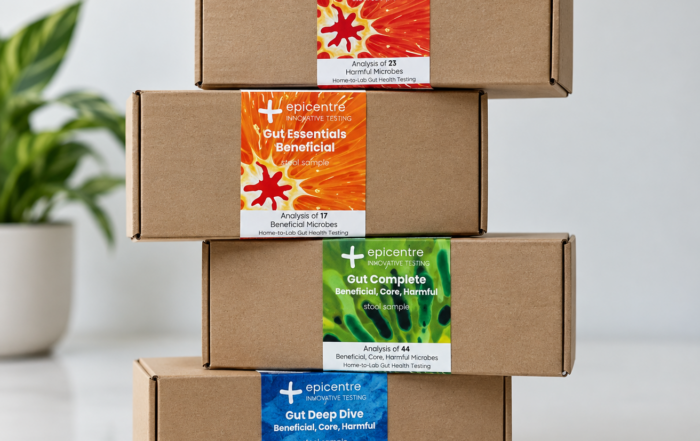
Getting your Plesiomonas shigelloides levels tested with Epicentre is easy! Book your test online to find out your levels now.


Core and Harmful Gut Microbes
Gut Health News
Keep up to date with all the latest developments within the company right here.