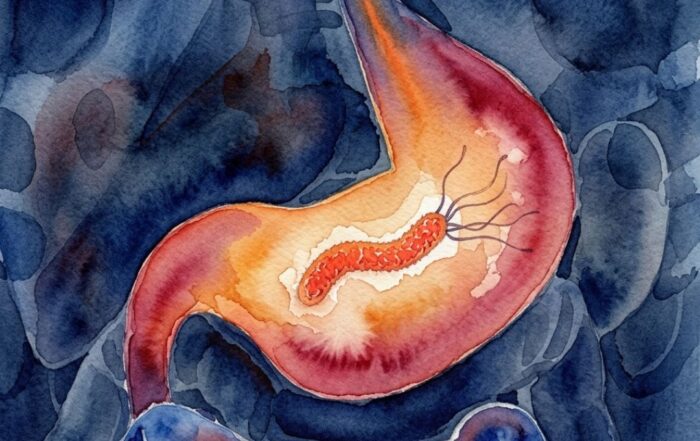
What is Cryptosporidium
Cryptosporidium is a microscopic parasite that infects the intestines of humans and animals, causing a diarrhoeal illness called cryptosporidiosis. It spreads mainly through contaminated water, food, or surfaces, and it is especially common in places where sanitation and water treatment are poor. The parasite produces hardy oocysts (spores) that can survive for long periods in the environment and resist standard chlorine treatment in drinking water (Ryan et al., 2016).
When people ingest the oocysts, they travel to the small intestine, where the parasite multiplies and damages the lining of the gut. This leads to watery diarrhoea, stomach cramps, nausea, and sometimes fever. While most healthy people recover within a few weeks, young children, the elderly, and people with weakened immune systems (such as those living with HIV) can suffer more severe and prolonged illness (Checkley et al., 2015). Because of its resilience and ease of spread, Cryptosporidium is recognised as one of the leading causes of waterborne diarrhoeal outbreaks worldwide, including in South Africa.

Cryptosporidium
Cryptosporidium Quick Facts
✔️ What it is: A microscopic parasite that infects the intestines and causes the illness cryptosporidiosis.
✔️ How it spreads: Through contaminated water, food, surfaces, or direct contact with infected people or animals. Its spores (oocysts) are very tough and can survive in chlorine-treated water (Ryan et al., 2016).
✔️ Symptoms: Watery diarrhoea, stomach cramps, nausea, vomiting, fever, and dehydration. Symptoms usually appear 2–10 days after infection (Checkley et al., 2015).
✔️ Who’s most at risk: Children, the elderly, and people with weakened immune systems, such as those living with HIV. In these groups, illness may be more severe and long-lasting.
✔️ Treatment: No single cure, but symptoms are managed with hydration and supportive care.
✔️ Prevention: Wash hands well, avoid swallowing pool or river water, drink treated or boiled water, and wash fresh produce thoroughly.
The Body’s Immune Response to Cryptosporidium
When people swallow Cryptosporidium oocysts (the parasite’s spores), they release tiny forms called sporozoites in the small intestine. These invade the cells lining the gut and disrupt the normal barrier. The first defence comes from the innate immune system. The gut cells recognise the parasite using special sensors, which activate alarm signals such as nuclear factor kappa B (NF-κB). This leads to the release of chemical messengers like interleukin-8 (IL-8), which attract neutrophils and macrophages—white blood cells that rush to fight the infection (Ali et al., 2025). Another key process is the activation of caspase-1, which stimulates the release of interleukin-18 (IL-18), helping to slow parasite growth and direct other immune cells to the site of infection (Ali et al., 2025; McKenney et al., 2017).
The second line of defence is the adaptive immune system. CD4+ T cells are especially important. Th1 cells release interferon-γ (IFN-γ), which boosts macrophages’ ability to destroy infected cells, while Th17 cells support gut protection. At the same time, B cells produce IgA antibodies that coat the gut lining and block parasites from attaching to cells (Ali et al., 2025). In people with weakened immunity, such as those living with HIV, these responses are often impaired, leading to chronic or severe cryptosporidiosis (Checkley et al., 2015). Infection also disrupts the gut microbiome—reducing helpful, fibre-fermenting bacteria and increasing inflammatory ones like Proteobacteria—which makes symptoms worse and slows recovery (McKenney et al., 2017).
✅ In simple terms: the immune system fights Cryptosporidium with an immediate inflammatory reaction and then with targeted T cell and antibody responses. But the parasite is skilled at disrupting the gut barrier and microbiome, which weakens immunity and makes infection harder to clear.
Symptoms of Unhealthy Cryptosporidium Levels
When Cryptosporidium infects the gut, it damages the lining of the small intestine, leading to diarrhoeal illness known as cryptosporidiosis. The most common symptom is watery diarrhoea, which can last for days to weeks depending on the person’s health (Checkley et al., 2015). Other frequent symptoms include abdominal cramps, nausea, vomiting, fever, and dehydration, all linked to the gut’s inflammatory response to the parasite (Ryan et al., 2016).
In healthy people, illness usually clears within 1–3 weeks, but in children under five, older adults, and people with weakened immune systems, symptoms can be more severe, prolonged, and even life-threatening (Kotloff et al., 2013). In immunocompromised individuals, such as those living with HIV/AIDS, Cryptosporidium infection may become chronic, causing ongoing diarrhoea, weight loss, and malnutrition (McKenney et al., 2017). The parasite can also disturb the gut microbiome, lowering the number of helpful bacteria and increasing harmful ones, which worsens gut health and delays recovery (McKenney et al., 2017).
Cryptosporidium Impact on South Africans’ Gut Health
A hidden burden in vulnerable communities. In South Africa, Cryptosporidium infections—particularly in rural areas—are a significant driver of diarrhoeal illness. One study across urban and rural clinics found that 25% of stool samples tested positive for Cryptosporidium (or Giardia), with Cryptosporidium being the more common culprit (Ngobeni et al., 2022). Its prevalence is higher among people living with compromised immunity; pooled data across southern Africa shows a prevalence of 25.2% among those with HIV/AIDS, compared to 20.5% in children and 17.9% in diarrhoeal patients (Omolabi et al., 2022).
Severe consequences, especially for children. Cryptosporidium is one of the leading causes of moderate-to-severe diarrhoea in African children under five, second only to rotavirus, resulting in nearly 2.9 million infections annually in sub-Saharan Africa and more than doubling mortality risk in 12–23-month-old children (Squire & Ryan, 2017). In South Africa and beyond, repeated infections can impair gut health, nutrition, and overall development in young children. They are linked with stunted growth, cognitive delays, and prolonged health challenges (Prabakaran, 2023; Squire & Ryan, 2017).
| Effect | Insight |
|---|---|
| High prevalence | Cryptosporidium is present in up to 25% of gut samples in some South African communities, with higher rates in rural areas and among people with HIV/AIDS. |
| Child health impact | It’s a leading cause of serious diarrhoea in children under five, increasing the risk of death and long-term malnutrition. |
| Long-term burden | Repeated infections can stunt childhood growth and development, compromising gut health and nutrition. |
Supporting Gut Defences Against Cryptosporidium
Cryptosporidium is a parasite that invades the cells lining the small intestine, often causing watery diarrhoea, abdominal cramps, and dehydration. Because the parasite’s spores (oocysts) are very resistant in the environment—even surviving chlorine-treated water—preventing infection and supporting strong gut defences are key to reducing illness (Ryan et al., 2016).
Gut health as a natural barrier
A diverse and balanced gut microbiome is one of the body’s strongest protections. Beneficial microbes, such as Lactobacillus and Bifidobacterium, help strengthen the intestinal lining, compete with harmful organisms for space and nutrients, and modulate immune signals (Borad & Ward, 2010). Diets rich in fibre from whole grains, fruits, and vegetables support these beneficial bacteria and improve gut resilience (Makki et al., 2018). In some studies, probiotics have been shown to help the immune system better control Cryptosporidium (McKenney et al., 2017).
Hygiene and safe water
Because Cryptosporidium spreads mainly through contaminated water, food, and contact with infected people or animals, prevention relies heavily on:
Drinking boiled or properly filtered water, especially in rural or high-risk areas.
Washing hands with soap, particularly after bathroom use or contact with animals.
Washing fruits and vegetables thoroughly, and avoiding unpasteurised milk or juices.
Practising good hygiene in childcare and healthcare settings where outbreaks are common.
Care during infection
When infection occurs, hydration is the most important treatment, as diarrhoea can cause dangerous fluid and electrolyte loss (Checkley et al., 2015). Oral rehydration solutions are especially useful for children and older adults. In most healthy people, the immune system clears the infection within a few weeks. In people with weakened immunity, medical treatment such as nitazoxanide may be recommended (Ali et al., 2025).
Key Takeaways
Balanced gut microbes protect you: Healthy gut bacteria and fibre-rich diets help strengthen the intestinal lining and fight infection (Borad & Ward, 2010; Makki et al., 2018).
Prevention is essential: Safe water, good hygiene, and clean food handling are the best ways to stop infection (Ryan et al., 2016).
Hydration saves lives: Replacing fluids is critical during diarrhoea to prevent severe illness (Checkley et al., 2015).
Treatment for the vulnerable: Most people recover naturally, but children, the elderly, and immunocompromised individuals may need extra medical care (Ali et al., 2025).
Why Test Your Cryptosporidium Levels With Epicentre
1. Early Detection Protects Health
Cryptosporidium is a microscopic parasite that infects the intestines, causing watery diarrhoea, stomach cramps, nausea, and fatigue. In young children, older adults, and people with weakened immune systems, infections can be severe and prolonged. Testing allows for early detection, helping to prevent dehydration and other serious complications (Checkley et al., 2015; Kattula et al., 2017).
2. Identify Sources of Infection
Cryptosporidium spreads through contaminated water, food, and surfaces. In South Africa, outbreaks have been linked to both municipal water supplies and recreational water sources. Testing helps identify infections and potential exposure sources, reducing the risk of spread within households and communities (Khan et al., 2018).
3. Receive Clear, Actionable Guidance
Epicentre provides patient-friendly reports explaining your Cryptosporidium levels and their impact on gut health. These reports allow doctors to give personalised advice on hydration, nutrition, and treatment strategies to restore gut balance and prevent complications (Checkley et al., 2015).
4. Relevant Across All Communities
While Cryptosporidium is more common in areas with poor water and sanitation, it can affect urban, middle-, and upper-class households as well, especially through contaminated swimming pools, drinking water, or fresh produce. Testing ensures that everyone can take steps to protect their gut health, regardless of their living conditions (Kattula et al., 2017).
✅ In short: Testing for Cryptosporidium with Epicentre provides early detection, identifies potential sources of infection, and gives actionable steps to safeguard gut health for all South Africans.


Core and Harmful Gut Microbes
Gut Health News
Keep up to date with all the latest developments within the company right here.