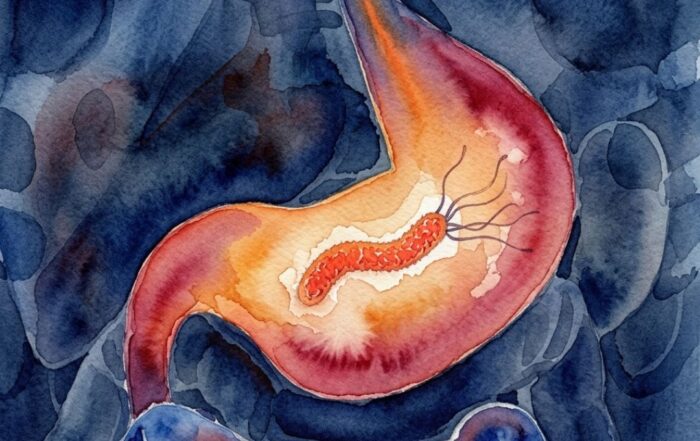
What is Clostridioides difficile
Clostridioides difficile (C. difficile) is a bacterium that can be part of the normal gut microbiome, but it is best known for causing infections when the balance of gut bacteria is disrupted — often after taking antibiotics (Seekatz et al., 2022). It produces spores that can survive for long periods in the environment and toxins that damage the lining of the gut, leading to symptoms like diarrhoea, abdominal pain, and in severe cases, life-threatening inflammation of the colon (Tonna et al., 2021; Smits et al., 2016).
While some people may carry C. difficile without symptoms, an overgrowth can lead to Clostridioides difficile infection (CDI), which is more common in hospital settings, among people with weakened immune systems, or those on prolonged antibiotic treatments (Czepiel et al., 2019). Healthy gut bacteria normally keep C. difficile in check, but when this protective “colonisation resistance” is lost, the bacterium can dominate and cause disease (Seekatz et al., 2022). This makes maintaining a balanced gut microbiome an important part of prevention.
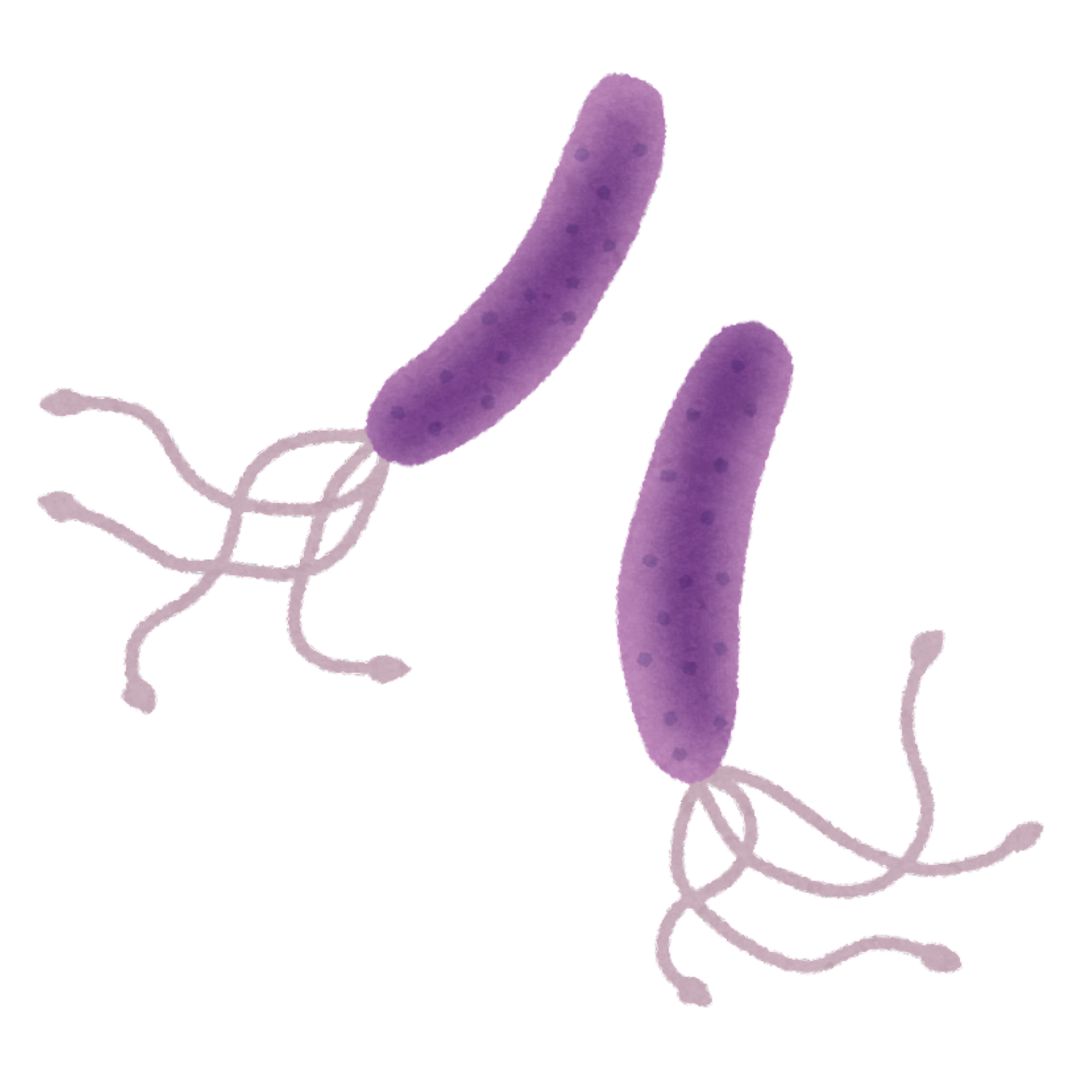
Clostridioides difficile
Clostridioides difficile Quick Facts
✔ Also Known As: C. difficile or C. diff
✔ Type: Spore-forming, toxin-producing bacterium
✔ Normal Role in Gut: Can be present in small numbers without causing illness, kept in check by other healthy gut bacteria (Seekatz et al., 2022)
✔ When It Becomes Harmful: Overgrows when gut microbiome balance is disrupted — often after antibiotic use (Smits et al., 2016)
✔ Symptoms of Infection: Diarrhoea, abdominal cramps, fever, nausea; in severe cases, colitis and life-threatening complications (Tonna et al., 2021)
✔ Transmission: Spores spread via contaminated surfaces, hands, or equipment; highly resistant to cleaning and disinfectants
✔ At-Risk Groups: Hospital patients, people with weakened immunity, recent antibiotic users, and the elderly (Czepiel et al., 2019)
✔ Prevention: Good hygiene, careful antibiotic use, and maintaining a healthy gut microbiome
✔ Treatment: Specific antibiotics (different from those that trigger overgrowth), faecal microbiota transplantation for recurrent cases
The Body’s Immune Response to Clostridioides difficile
When C. difficile enters the gut or begins to overgrow after healthy bacteria are disrupted (often due to antibiotics), the immune system recognises its presence through bacterial toxins — mainly toxin A (TcdA) and toxin B (TcdB) (Smits et al., 2016). These toxins damage the cells lining the gut, triggering an immediate defensive response. The body releases pro-inflammatory signals such as interleukins and tumour necrosis factor (TNF), which call immune cells like neutrophils and macrophages to the site of infection (Czepiel et al., 2019). These immune cells work to contain the bacteria and neutralise toxins, but the inflammation they cause can also contribute to diarrhoea and tissue damage.
The adaptive immune system also plays a role, producing antibodies against C. difficile toxins. People with higher levels of anti-toxin antibodies tend to have milder symptoms and a lower risk of recurrence (Seekatz et al., 2022). However, if the immune response is weak — due to age, illness, or prior microbiome disruption — the body may struggle to clear the infection, leading to severe disease or repeated relapses. A healthy gut microbiome itself is a form of immune defence, as diverse beneficial bacteria compete with C. difficile for nutrients and space, reducing the chance of overgrowth (Tonna et al., 2021). This is why prevention and recovery strategies often focus on restoring microbial balance alongside supporting immune function.
Symptoms of Unhealthy Clostridioides difficile Levels
When C. difficile levels become too high in the gut, it often leads to an imbalance in the microbiome, which can cause a range of symptoms. The most common is persistent watery diarrhoea, which may occur several times a day and can lead to dehydration (Czepiel et al., 2019). People may also experience abdominal pain or cramping, often in the lower belly, along with nausea and loss of appetite. In more severe cases, stools may contain mucus or blood, and symptoms can escalate to fever and rapid heart rate — signs of a serious infection (Tonna et al., 2021).
If left untreated, severe C. difficile overgrowth can cause colitis (inflammation of the colon) and toxic megacolon, a life-threatening condition where the colon becomes dangerously enlarged (Smits et al., 2016). Recurring infections are also common, with symptoms returning weeks after treatment. Those most at risk include people who have recently taken antibiotics, have weakened immune systems, or have been in healthcare settings. Because these symptoms overlap with other gut conditions, stool testing is essential to confirm if C. difficile is the cause (Seekatz et al., 2022).
Clostridioides difficile Impact on South Africans Gut Health
In South Africa, C. difficile infections (CDI) are a growing concern, not only in hospitals but also in community settings, and they can affect individuals across income levels. This bacterium disrupts the natural balance of the gut microbiome, particularly after antibiotic use, which kills beneficial bacteria and allows C. difficile to multiply (Seekatz et al., 2022). An overgrowth can damage the gut lining, trigger inflammation, and cause persistent diarrhoea, dehydration, and nutrient loss — all of which weaken overall gut health (Smits et al., 2016).
Even in wealthier communities with better healthcare access, risk factors remain high due to the widespread use of antibiotics, proton pump inhibitors, and frequent medical interventions. South African studies have reported CDI cases in both public and private hospitals, suggesting that exposure in healthcare facilities is a significant risk regardless of socioeconomic status (Tonna et al., 2021). Additionally, repeated infections can occur if the gut microbiome does not fully recover, leading to ongoing gut discomfort, reduced immunity, and long-term digestive issues. Addressing C. difficile in South Africa requires awareness, accurate testing, and restoring healthy microbiome balance to protect gut function in all population groups.
How to Get Healthy Clostridioides difficile Levels
1. Use Antibiotics Wisely: Only take antibiotics when absolutely necessary and prescribed by a healthcare professional. Unnecessary or prolonged use can kill off beneficial gut bacteria, creating an environment where C. difficile can overgrow (Seekatz et al., 2022).
2. Prioritise Probiotic Support: Incorporate probiotic-rich foods (such as yoghurt, kefir, sauerkraut, and kimchi) or take a clinically recommended probiotic supplement to help restore healthy gut flora after antibiotic use (Smits et al., 2016).
3. Maintain Good Hygiene: Wash your hands thoroughly with soap and water, especially after using the bathroom or visiting healthcare facilities. Alcohol-based sanitisers are less effective against C. difficile spores (Tonna et al., 2021).
4. Optimise Gut Health Through Diet: Eat a fibre-rich diet with plenty of fruits, vegetables, legumes, and whole grains. Fibre feeds beneficial gut bacteria, helping maintain a healthy microbial balance (Seekatz et al., 2022).
5. Limit Unnecessary Stomach Acid Suppression: Overuse of proton pump inhibitors (PPIs) can alter the gut environment and increase susceptibility to C. difficile. Discuss any long-term use with your doctor (Smits et al., 2016).
6. Test and Monitor If at Risk: If you’ve recently been hospitalised, taken antibiotics, or had recurrent diarrhoea, testing for C. difficile can help detect and manage imbalances before they become severe (Tonna et al., 2021).
Why Test Your Clostridioides difficile Levels With Epicentre
Testing your Clostridioides difficile (C. difficile) levels with Epicentre can help detect imbalances in your gut microbiome before they escalate into severe gastrointestinal illness. Even in healthy individuals, this bacterium can become harmful when antibiotics, illness, or other factors disrupt the normal gut flora, leading to infections that cause diarrhoea, abdominal pain, and potentially life-threatening complications (Seekatz et al., 2022). Epicentre uses advanced, sensitive diagnostic tools to identify C. difficile and its toxin-producing strains early, which allows for prompt treatment and prevention of recurrence.
Epicentre’s approach goes beyond standard lab testing by integrating results into a patient-friendly, functional health report. This helps you understand not only if C. difficile is present, but also how it fits into your overall gut health profile. This insight can guide dietary, lifestyle, and medical interventions to restore a balanced microbiome and reduce future risk. By testing with Epicentre, you gain both accuracy and actionable guidance—ensuring your gut remains resilient against opportunistic infections (Smits et al., 2016; Tonna et al., 2021).
Getting your Clostridioides difficile levels tested with Epicentre is easy! Book your test online to find out your levels now.


Core and Harmful Gut Microbes
Gut Health News
Keep up to date with all the latest developments within the company right here.