What is Shiga-like E. coli (STEC)
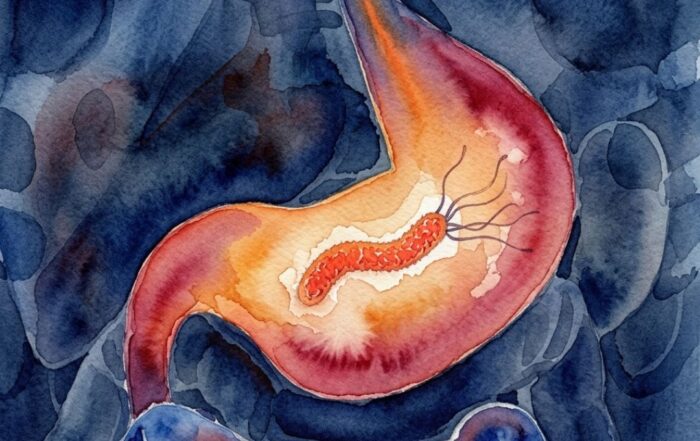
Shiga-like E. coli (STEC) is a type of harmful E. coli bacteria that can cause serious food poisoning. It produces dangerous toxins called Shiga toxins that can damage your gut and, in some cases, other organs. You can get infected by eating contaminated food, such as undercooked beef, unpasteurised milk, or contaminated fruits and vegetables (Lee et al., 2021). It can also spread through contaminated water.
The main symptoms are stomach cramps, diarrhoea (which may be bloody), and vomiting. In severe cases, it can cause kidney failure and other serious health issues, especially in young children and older adults (Lee et al., 2021).
STEC can disrupt the balance of good bacteria in your gut, leading to inflammation and damage to your intestines. This is particularly dangerous for those with weakened immune systems. In South Africa, where food and water sanitation can be a concern, STEC is a key pathogen to be aware of, as it can cause outbreaks in both rural and urban areas (Lee et al., 2021).
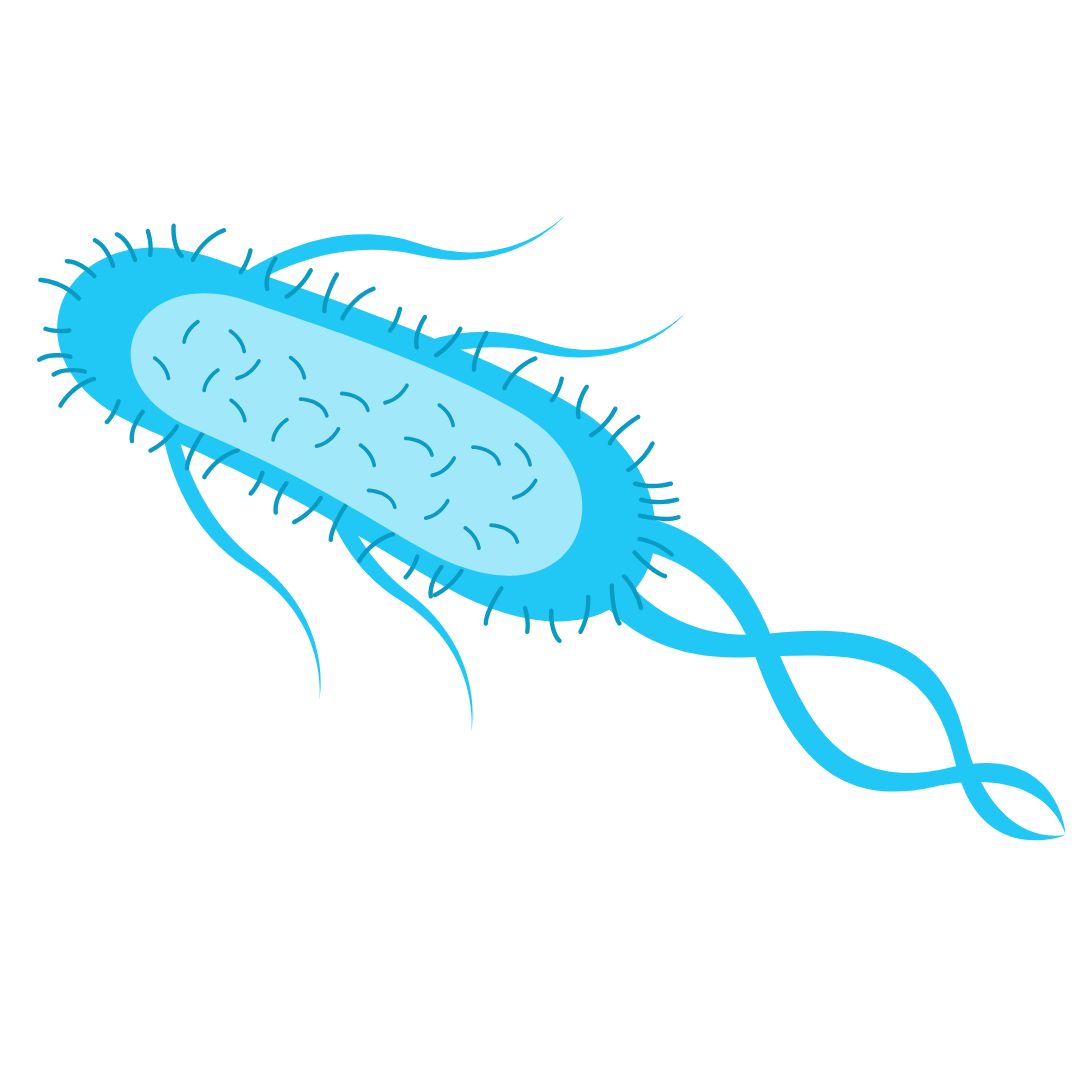
Shiga-like E. coli (STEC)
Shiga-like E. coli (STEC) Quick Facts
✔️ What it is: A type of E. coli that produces Shiga toxins, which can cause severe illness, including bloody diarrhoea, stomach cramps, and vomiting (Lee et al., 2021).
✔️ Where it spreads: Mainly through contaminated food (like undercooked beef, unpasteurised milk) and unsafe water, but also through poor hygiene and sanitation (Lee et al., 2021).
✔️ Main symptoms: Watery or bloody diarrhoea, stomach cramps, nausea, and vomiting. In severe cases, it can lead to kidney failure and other life-threatening complications.
✔️ At-risk groups: Young children, elderly people, and those with weak immune systems are at higher risk for severe outcomes (Lee et al., 2021).
✔️ Toxins produced: Shiga toxins (Stx1, Stx2) cause damage to the gut lining and can spread to other organs, especially the kidneys (Lee et al., 2021).
✔️ Impact on health: Can lead to serious long-term effects such as kidney failure and post-infectious irritable bowel syndrome (Lee et al., 2021).
✔️ Global prevalence: Common in Africa and Asia, and one of the leading causes of foodborne illnesses worldwide, including in South Africa (Lee et al., 2021).
✔️ Prevention: Proper food handling, cooking meat thoroughly, avoiding unpasteurised dairy, and ensuring clean water and hygiene are essential to preventing infection.
The Body’s Immune Response to Shiga-like E. coli (STEC)
Initial Defence – The Innate Immune System
When STEC enters the gut through contaminated food or water, the body’s first defence system, called the innate immune system, acts quickly. Cells in the intestines recognise the bacteria using pattern recognition receptors (PRRs). These receptors trigger the release of cytokines, which are proteins that act as alarm signals to attract immune cells like neutrophils and macrophages to the infection site (Lee et al., 2021). These immune cells try to limit the spread of the bacteria and fight off the toxins produced by the bacteria.
Adaptive Immunity – Targeting the Infection
As the infection continues, the adaptive immune system takes over. Dendritic cells in the gut present pieces of the STEC bacteria to T cells and B cells. These cells help the immune system recognise and attack the bacteria. B cells produce antibodies that can block the toxins and prevent the bacteria from attaching to the gut lining. T cells help regulate inflammation and kill infected cells (Zhang et al., 2022). The immune system may also develop memory cells, which allow it to recognise and respond faster if the person is exposed to STEC again.
Challenges – How STEC Evades Immunity
Although the body fights back with these powerful defences, STEC has ways to evade the immune system. For example, the bacteria can produce Shiga toxins that damage the gut lining and trigger severe inflammation (Higginson et al., 2022). In some cases, STEC can survive in immune cells like macrophages, which normally destroy pathogens, making it harder to eliminate the infection. This evasion is one reason why STEC infections can lead to serious diseases, such as hemolytic uremic syndrome (HUS), a condition that causes kidney damage (Lee et al., 2021).
✅ In short: The body fights STEC using both quick, non-specific defences and longer-term, targeted immune responses. However, STEC’s ability to produce toxins and survive in immune cells makes it challenging to fight off, especially in vulnerable individuals like children and the elderly.
Symptoms of Unhealthy Shiga-like E. coli (STEC) Levels
Common Symptoms
When you have unhealthy levels of Shiga-like E. coli (STEC) in the gut, you can experience severe diarrhoea, often bloody, stomach cramps, nausea, and vomiting. These symptoms are caused by the toxins that STEC produces, which damage the cells of the intestines and lead to inflammation (Lee et al., 2021). In severe cases, the diarrhoea may become so intense that it leads to dehydration, causing weakness, dizziness, and dry mouth (Zhang et al., 2022).
Serious Complications
In some cases, STEC infections can lead to hemolytic uremic syndrome (HUS), a life-threatening condition that can cause kidney failure and affect the blood and nervous system. HUS is more common in young children and the elderly (Lee et al., 2021). People with HUS may experience low platelet counts, severe abdominal pain, and fatigue, and they may need urgent medical treatment like dialysis (Zhang et al., 2022).
✅ In summary: Unhealthy levels of STEC cause symptoms like bloody diarrhoea and stomach pain, but in severe cases, it can lead to kidney problems and other serious health complications, particularly in vulnerable groups like children and the elderly.
Shiga-like E. coli (STEC) Impact on South Africans’ Gut Health
Shiga toxin–producing E. coli (STEC) are a serious cause of diarrhoeal illness that can damage the gut lining and, in some cases, the kidneys. These bacteria produce Shiga toxins (stx1 and/or stx2) that can trigger bloody diarrhoea and a complication called haemolytic uraemic syndrome (HUS), which is most common in young children. Globally, STEC is estimated to cause around 2.8 million acute illnesses and nearly 3,900 HUS cases each year, underscoring why prevention and early care matter (Krause et al., 2021; Majowicz et al., 2014).
South Africa has documented STEC-linked kidney injury in children. In 2017, a cluster of paediatric HUS cases in the Western Cape was traced to STEC O26:H11, demonstrating that non-O157 strains can also be dangerous—not just the better-known O157:H7 (Eibach et al., 2018; Keddy et al., 2017).
How South Africans are exposed
STEC lives in the intestines of healthy food animals and can reach people through contaminated meat, unpasteurised milk, fresh produce, water, or direct animal contact. At Gauteng retail outlets, STEC DNA was found in 16.4% of beef and beef-based ready-to-eat samples, with boerewors showing the highest detection rate (35%) (Abong’o & Momba, 2009). Goats on communal rangeland have also been shown to carry a wide range of STEC serotypes (over 80% of sampled goats were positive), highlighting a local reservoir that can contaminate environments and food chains if hygiene breaks down (Bisi-Johnson et al., 2020).
Antibiotics are not routinely recommended for suspected STEC. Certain antibiotics and anti-diarrhoeal agents can increase the risk of HUS by stimulating more toxin release; care focuses on fluids, monitoring, and urgent medical review if red-flag symptoms appear (blood in stool, decreased urination, unusual tiredness or pallor) (Tarr et al., 2005; Freedman et al., 2016).
Key takeaways
Children face the greatest harm. Young children are more likely to develop HUS after STEC infection; South Africa has recorded paediatric HUS clusters linked to non-O157 strains such as O26:H11 (Eibach et al., 2018).
Hidden food-chain exposure. South African studies have detected STEC in retail beef (including boerewors) and shown high carriage in local goats—reminding us that thorough cooking, pasteurised dairy, and careful handling after animal contact are essential (Abong’o & Momba, 2009; Bisi-Johnson et al., 2020).
Non-O157 strains matter. In Africa and worldwide, many severe STEC infections are caused by non-O157 serogroups (such as O26, O103, O111, O145), so testing shouldn’t stop at O157 (Krause et al., 2021).
Skip “just-in-case” antibiotics. Routine antibiotics or anti-motility drugs can worsen outcomes in STEC—get a stool test first and follow clinician guidance (Freedman et al., 2016; Tarr et al., 2005).
Supporting Gut Defences Against Shiga-like E. coli (STEC)
Gut health as a defence
A healthy gut acts as a first line of defence against STEC. Beneficial microbes, such as Lactobacillus and Bifidobacterium, compete with harmful strains for nutrients and space in the intestines. They also strengthen the gut barrier and support immune responses, making it harder for STEC to take hold (Ohno et al., 2018; Milani et al., 2017).
Diet and hydration
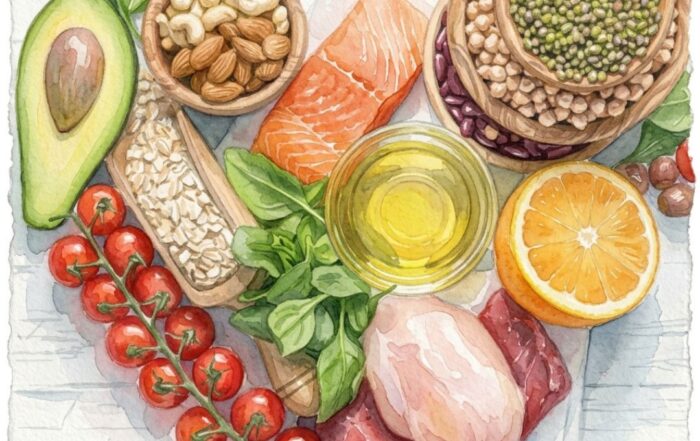
Hydration is critical because STEC infections often cause diarrhoea that can quickly lead to fluid and mineral loss. Oral rehydration solutions or electrolyte-rich fluids help prevent dehydration (Freedman et al., 2016). Diets high in fibre from vegetables, legumes, and whole grains support a diverse microbiome, which in turn protects against harmful bacteria (Makki et al., 2018).
Food safety practices
Since STEC spreads through food and water, everyday habits reduce risk:
1. Cooking beef and meat products thoroughly, especially mince and boerewors (Abong’o & Momba, 2009).
2. Washing fresh produce and keeping raw and cooked foods separate.
3. Use pasteurised milk and avoid unpasteurised juices.
Avoiding risky medications
Unlike many bacterial infections, antibiotics are not recommended for STEC, as they can trigger further toxin release and increase the risk of HUS. Anti-diarrhoeal medicines like loperamide may also make symptoms worse (Tarr et al., 2005). Supportive care—hydration, rest, and careful monitoring—is safer until medical professionals guide further steps.
Why Test Your Shiga-like E. coli (STEC) Levels With Epicentre
1. Detect Hidden Infections Early
STEC can be present in the gut without immediate symptoms, but it still produces Shiga toxins that can damage the intestines and even affect the kidneys. Early testing allows for timely detection, helping to prevent severe illness, dehydration, or complications like hemolytic uremic syndrome (HUS), which is particularly dangerous for children and older adults (Lee et al., 2021; Zhang et al., 2022).
2. Protect Your Family and Community
In South Africa, STEC is not only found in clinical cases but can also contaminate food, water, and household surfaces. Testing helps identify carriers and contaminated sources, reducing the risk of spreading the bacteria to family members or others in the community (Ramatla, 2024).
3. Get Clear, Actionable Results
Epicentre provides patient-friendly functional health reports that go beyond “positive” or “negative” results. These reports explain how STEC may be affecting your gut microbiome and overall health. This allows doctors and healthcare providers to give personalised guidance, including dietary changes, rehydration support, or targeted medical treatment (World Health Organization, 2018).
4. Relevant for All Communities
Even households in urban and middle- to upper-class areas are not immune. STEC can be present in foods such as undercooked meat, unpasteurised dairy, or contaminated fresh produce, making testing important regardless of socioeconomic status (Lupindu, 2018).
✅ In short: Testing your STEC levels with Epicentre gives you early warning, helps protect vulnerable individuals, and provides actionable steps to safeguard your gut and overall health.


Core and Harmful Gut Microbes
Gut Health News
Keep up to date with all the latest developments within the company right here.