What is Enterotoxigenic E. coli (ETEC)
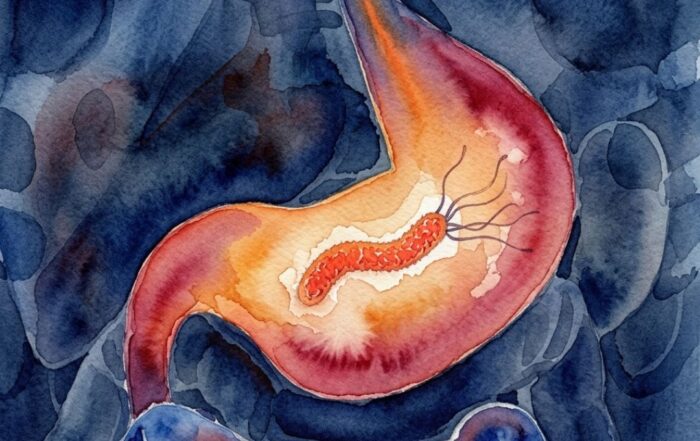
Enterotoxigenic E. coli (ETEC) is a type of gut bacterium that causes diarrhoea, especially in young children in low- and middle-income countries and in travellers visiting these areas (Zhang et al., 2022). It spreads mainly through contaminated food and water. ETEC attaches to the small intestine using special structures and releases toxins called LT (heat-labile) and ST (heat-stable). These toxins upset the balance of water in the gut, leading to watery diarrhoea, stomach cramps, vomiting, and dehydration (Higginson et al., 2022).
Repeated infections are especially harmful for children. They can cause malnutrition, slowed growth, and weaker immune systems, making kids more vulnerable to other illnesses (Zhang et al., 2022). In adults, ETEC is the main cause of traveller’s diarrhoea and has been linked to conditions like post-infectious irritable bowel syndrome (IBS) (Higginson et al., 2022). Because the bacteria can survive in food and water and often resist antibiotics, tackling ETEC requires not only medical treatment but also good hygiene, safe water, and improved sanitation (Zhang et al., 2022).

Enteroaggregative E. coli (EAEC)
Enterotoxigenic E. coli (ETEC) Quick Facts
✔️ What it is: A diarrhoeagenic strain of E. coli that causes watery diarrhoea by releasing toxins in the gut (Zhang et al., 2022).
✔️ Where it spreads: Mainly through contaminated food and water, especially in low- and middle-income countries and during international travel (Higginson et al., 2022).
✔️ Main symptoms: Watery diarrhoea, stomach cramps, nausea, vomiting, and dehydration.
✔️ At-risk groups: Young children, travellers, and people with weakened immune systems.
✔️ Toxins it produces: Heat-labile (LT) and heat-stable (ST) toxins, which disturb the balance of water and salts in the intestines.
✔️ Impact on children: Repeated infections can cause malnutrition, stunted growth, and weaker immune defences (Zhang et al., 2022).
✔️ Impact on adults: The leading cause of traveller’s diarrhoea, sometimes followed by post-infectious irritable bowel syndrome (IBS) (Higginson et al., 2022).
✔️ Global importance: A major cause of childhood diarrhoea in Africa and Asia, contributing to high levels of child morbidity.
✔️ Treatment: Managed mainly with oral rehydration solutions (ORS) and, in severe cases, antibiotics. Resistance to antibiotics is becoming more common.
✔️ Prevention: Safe drinking water, proper food hygiene, sanitation, and ongoing vaccine research are key prevention strategies.
The Body’s Immune Response to Enterotoxigenic E. coli (ETEC)
First Response: Innate Immunity
When ETEC enters the body through contaminated food or water, the gut’s first line of defence recognises it as harmful. The gut lining uses special sensors (Toll-like receptors) to detect the bacteria and then releases chemical signals (cytokines). These signals attract immune cells like neutrophils and macrophages, which rush in to fight the bacteria (Zhang et al., 2022). However, ETEC is clever — it latches onto the gut wall with sticky structures (colonisation factors), which makes it harder to flush out (Higginson et al., 2022).
Long-Term Defence: Adaptive Immunity
If the infection continues, the body calls in adaptive immunity. Here, B cells produce antibodies (IgA) that block ETEC from sticking to the gut and neutralise its toxins. T cells also step in to control inflammation and help other immune cells fight more effectively (Qadri et al., 2005). Over time, the body may develop immune memory, which means if exposed again, the response is faster. But for young children, whose immune systems are still developing, this defence may not be strong enough — leading to repeated diarrhoeal infections, malnutrition, and growth problems (Zhang et al., 2022; Higginson et al., 2022).
✅ In simple terms: Your body fights ETEC with quick emergency defences and longer-term antibodies. But because ETEC has smart ways to survive, it can cause repeated infections, especially in children and travellers.
Symptoms of Unhealthy Enterotoxigenic E. coli (ETEC) Levels
Digestive Symptoms
The main symptom of ETEC infection is watery diarrhoea, which can start suddenly and last several days. It is often accompanied by stomach cramps, nausea, bloating, and vomiting. Because ETEC releases toxins that disrupt the gut’s ability to absorb water and salts, dehydration is common, especially in children and the elderly (Qadri et al., 2005; Zhang et al., 2022).
General Effects
People with ETEC may also experience low-grade fever, tiredness, and loss of appetite, which can worsen fluid and nutrient loss (Higginson et al., 2022). In children, repeated or prolonged infections can cause malnutrition, slowed growth, and weakened immunity, as their bodies struggle to absorb enough nutrients (Zhang et al., 2022). In adults, ETEC is the most common cause of traveller’s diarrhoea and, in some cases, has been linked to ongoing gut problems such as post-infectious irritable bowel syndrome (Qadri et al., 2005).
✅ In summary: Unhealthy levels of ETEC mainly cause diarrhoea and dehydration, but in vulnerable groups like children and travellers, they can also lead to long-term gut health issues.
Enterotoxigenic E. coli (ETEC) Impact on South Africans’ Gut Health
ETEC is a major bacterial cause of diarrhoeal disease in Africa, including South Africa, particularly in infants and young children. A review of childhood gastroenteritis found that after viral infections, ETEC ranked among the most common bacterial pathogens, especially affecting children between 12 and 24 months (Mafokwane et al., 2023). Diarrhoea caused by ETEC is often watery and prolonged, which can lead to dehydration, malnutrition, and stunted growth in vulnerable groups (Qadri et al., 2005; Zhang et al., 2022).
ETEC is not just a hospital issue but also a household and community challenge. Research in rural South African homes showed that over half of the samples from kitchen cloths and toilet surfaces tested positive for ETEC, with many strains carrying both heat-labile (LT) and heat-stable (ST) toxin genes (Gambushe et al., 2022). Even more concerning, many of these isolates showed multidrug resistance, making treatment harder and increasing the risk of recurring infections (Gambushe et al., 2022; Zhang et al., 2022).
Key Takeaways
Children at highest risk: Infants and toddlers are most affected, with ETEC contributing significantly to diarrhoeal disease and long-term nutritional problems (Mafokwane et al., 2023).
Hidden exposure: ETEC is found on common household items like kitchen cloths and in food preparation environments, showing how easily it spreads (Gambushe et al., 2022).
Antibiotic resistance challenge: Increasing resistance in South African strains highlights the importance of prevention strategies such as hygiene, clean water, and improved sanitation, alongside careful antibiotic use (Zhang et al., 2022).
Supporting Gut Defences Against Enterotoxigenic E. coli (ETEC)
1. Maintain a Healthy Gut Microbiome
A diverse gut microbiome is one of the best protections against ETEC. Beneficial bacteria compete with pathogens for space and nutrients, reducing the chance for harmful strains to overgrow. Eating probiotic foods (like yoghurt, kefir, kimchi, and sauerkraut) and prebiotic-rich foods (like garlic, onions, bananas, and oats) helps strengthen gut defences (Zhang et al., 2022).
2. Practise Food and Water Safety
ETEC spreads through contaminated food and water. Washing fruits and vegetables, cooking foods thoroughly, and avoiding unsafe water sources are essential steps. In South Africa, where ETEC has been found on household surfaces and in food, careful food hygiene is important for both rural and urban families (Gambushe et al., 2022).
3. Rehydration and Nutrition During Illness
If diarrhoea occurs, oral rehydration solutions (ORS) should be used to replace lost water and salts. This is especially important for children, who are more vulnerable to dehydration. Adding zinc supplements can also help reduce the severity and duration of diarrhoeal illness (Qadri et al., 2005).
4. Strengthen the Immune System
A strong immune system can better control infections. Regular exercise, good sleep, stress management, and a balanced diet rich in micronutrients like zinc and vitamin A support gut immunity and repair the gut lining after infections (Higginson et al., 2022).
✅ In summary: Protecting against ETEC involves building a strong gut microbiome, maintaining safe food and water habits, supporting hydration and nutrition during illness, and keeping your immune system resilient. These strategies protect not only children in vulnerable settings but also travellers and urban households.
Why Test Your Enterotoxigenic E. coli (ETEC) Levels With Epicentre
1. Early Detection Saves Health
ETEC is a leading cause of watery diarrhoea in children, travellers, and people with weakened immune systems. In South Africa, studies show it is commonly found in both clinical cases and household environments, sometimes with strains resistant to multiple antibiotics (Gambushe et al., 2022). By testing with Epicentre, you can detect ETEC early, allowing for timely treatment and prevention of complications like dehydration and malnutrition (Qadri et al., 2005).
2. Clear and Actionable Results
Epicentre provides results in a functional health report, not just a “positive” or “negative” finding. This means you will understand how ETEC is affecting your gut balance and overall wellness. From there, healthcare professionals can give personalised advice — whether it’s oral rehydration support, dietary guidance, or targeted treatment — to help restore gut health (Zhang et al., 2022).
3. Relevant for All Communities
Although often linked with poorer sanitation, ETEC has been detected in household surfaces, raw vegetables, and food environments in South Africa (Gambushe et al., 2022). This means exposure can occur in both rural and urban households, including middle- and upper-class families. Testing with Epicentre offers reassurance and ensures that all communities — not just those considered high-risk — have the opportunity to safeguard their gut health.
✅ In summary: Testing your ETEC levels with Epicentre helps prevent hidden infections, gives you actionable insights, and protects your long-term gut health, no matter where you live or travel.


Core and Harmful Gut Microbes
Gut Health News
Keep up to date with all the latest developments within the company right here.