What is Clostridium difficile
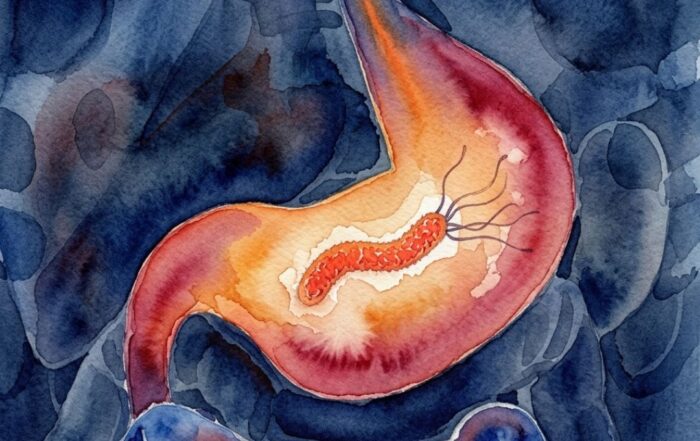
Clostridium difficile—now called Clostridioides difficile—is a type of bacteria that normally lives in the gut but can cause serious illness if it grows out of control. It forms hardy spores that can survive in the environment for long periods and spreads when tiny amounts of infected stool are swallowed, often after the healthy balance of gut bacteria is disrupted, especially by antibiotic use (Wojno, 2018).
In healthy people, including many in South Africa, C. difficile can be present without causing any problems. But if it starts producing harmful toxins (called toxin A and toxin B), it can damage the lining of the gut, leading to inflammation and diarrhoea. In hospitals, it is a leading cause of diarrhoea linked to antibiotic use, but it can also spread in the community. In South Africa, research shows that up to 32% of C. difficile-related diarrhoea cases happen outside of hospital settings (Wojno, 2018).
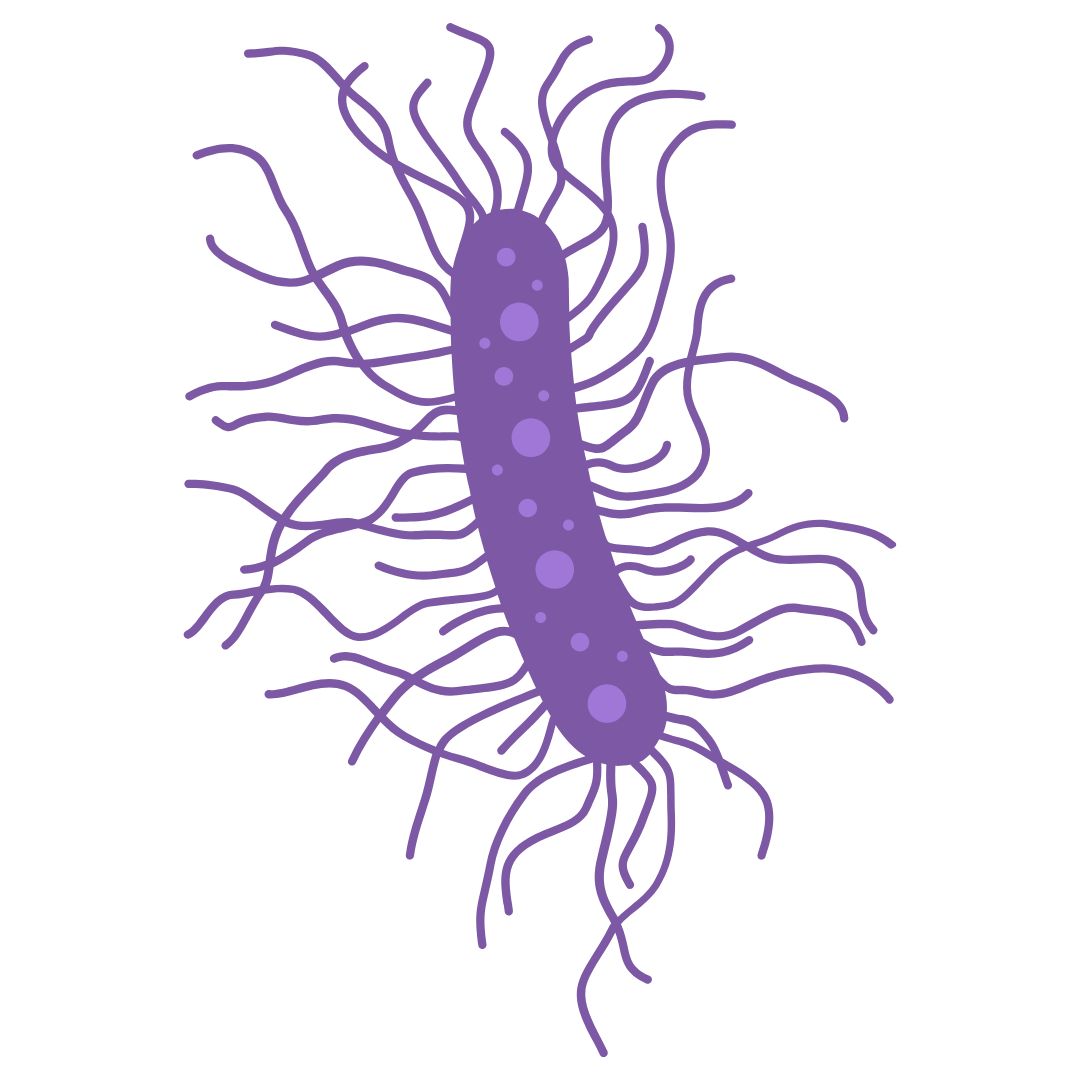
Clostridium difficile
Clostridium difficile Quick Facts
✔ What it is: A gut bacterium that can cause illness if it overgrows, now officially called Clostridioides difficile.
✔ Where it’s found: Naturally present in some healthy people’s intestines and in the environment, especially in healthcare settings.
✔ How it spreads: Through the faecal–oral route, often via contaminated hands, surfaces, or food.
✔ When it becomes harmful: Overgrowth usually happens after antibiotics disrupt normal gut bacteria, allowing C. difficile to multiply and release toxins.
✔ Main toxins: Produces toxin A and toxin B, which damage the gut lining and cause inflammation.
✔ Health impact: Can cause diarrhoea ranging from mild to life-threatening, especially in vulnerable individuals.
✔ In South Africa: Up to 32% of C. difficile-associated diarrhoea cases occur outside of hospitals.
✔ Prevention tips: Good hand hygiene, cautious antibiotic use, and maintaining a healthy gut microbiome can reduce risk.
Clostridium difficile Can Help Safeguard Your Gut Health
While Clostridium difficile (or Clostridioides difficile) is best known for causing illness when it overgrows, in small, controlled amounts it can be part of the normal gut environment without causing harm. In healthy people, its presence may actually play a subtle role in maintaining microbial diversity, which helps prevent other harmful bacteria from taking over (Wojno, 2018).
A balanced gut microbiome naturally keeps C. difficile in check, stopping it from producing dangerous toxins. This balance supports overall gut health by ensuring that different species work together to digest food, maintain the gut barrier, and regulate immune responses. Testing and monitoring C. difficile levels can help ensure it stays at safe levels—maximising the benefits of microbial diversity while avoiding the serious health risks linked to overgrowth.
Symptoms of Unhealthy Clostridium difficile Levels
When Clostridium difficile (C. difficile) grows unchecked and produces toxins, it can trigger a range of gut-related and systemic symptoms. Common signs include:
✔ Frequent, watery diarrhoea: typically occurring three or more times per day for at least two days, often linked to recent antibiotic use (Wojno et al., 2018; Czepiel et al., 2019).
✔ Abdominal pain or cramping: ranging from mild to severe, caused by inflammation of the colon (Czepiel et al., 2019).
✔ Fever: an indication of infection and immune activation (Czepiel et al., 2019).
✔ Nausea and loss of appetite: which may contribute to unintended weight loss (Wojno et al., 2018).
✔ Fatigue: due to dehydration, electrolyte imbalance, and nutrient loss from persistent diarrhoea (Czepiel et al., 2019).
✔ Severe cases: may present with bloody stools, signs of dehydration, and serious complications such as toxic megacolon, bowel perforation, or sepsis (Czepiel et al., 2019; Peng et al., 2022).
These symptoms are particularly important to watch for in South Africa, with our high rate of community-associated infections (Wojno et al., 2018).
Clostridium difficile Impact On South Africans Gut Health
In South Africa, Clostridium difficile (C. difficile) is recognised as an important cause of gut-related illness, especially when the balance of the gut microbiome is disturbed. Normally, healthy gut bacteria keep C. difficile in check, preventing it from causing harm. However, when antibiotics or other factors disrupt this balance, the bacterium can grow excessively and release toxins (toxin A and toxin B) that damage the intestinal lining (Wojno et al., 2018; Czepiel et al., 2019).
This overgrowth can lead to symptoms ranging from mild diarrhoea to severe, life-threatening inflammation of the colon. In hospitals, C. difficile is a leading cause of antibiotic-associated diarrhoea, but South African studies show that up to 32% of cases occur in the community, affecting people who have not been recently hospitalised (Wojno et al., 2018).
Beyond immediate illness, repeated infections or severe toxin damage can weaken the gut barrier, increasing inflammation and making the gut more vulnerable to future infections and chronic digestive problems. This makes C. difficile a significant public health concern in South Africa, highlighting the need for careful antibiotic use, timely diagnosis, and gut microbiome monitoring.
How to Get Healthy Clostridium difficile Levels
Keeping Clostridium difficile (C. difficile) at healthy levels means preventing overgrowth while allowing the small, harmless amounts that may naturally exist in your gut to remain in balance. Here’s how to support this:
✔ Use antibiotics wisely: Avoid unnecessary antibiotic use, as they disrupt the gut microbiome and can trigger C. difficile overgrowth (Wojno et al., 2018). Always follow your doctor’s advice and complete prescribed courses.
✔ Rebuild gut bacteria after antibiotics: If you’ve taken antibiotics, restore healthy gut diversity by consuming probiotic-rich foods (yoghurt, kefir, sauerkraut) or using clinically proven probiotic supplements (Czepiel et al., 2019).
✔ Maintain good hygiene: Wash hands thoroughly with soap and water, especially after using the bathroom or visiting healthcare facilities, to prevent reinfection or spread. Alcohol-based sanitisers are less effective against C. difficile spores (Rupnik et al., 2009).
✔ Eat a fibre-rich diet: Fibre from fruits, vegetables, legumes, and whole grains helps feed beneficial bacteria, which can suppress C. difficile growth and improve gut resilience.
✔ Stay hydrated: Good hydration supports digestion and helps the gut flush out harmful bacteria and toxins.
✔ Seek medical care for persistent gut symptoms: If you have ongoing diarrhoea, abdominal pain, or other digestive issues—especially after antibiotic use, get tested early. Prompt treatment can prevent severe illness and protect long-term gut health.
Why Test Your Clostridium difficile Levels With Epicentre
Testing for Clostridium difficile (C. difficile) with Epicentre helps identify this bacterium before it causes serious gut problems. While it can live harmlessly in the gut, overgrowth—often after antibiotics—can trigger toxin production, leading to diarrhoea, abdominal pain, and inflammation (Wojno et al., 2018). In South Africa, up to 32% of cases occur outside hospitals, making community testing just as crucial as hospital screening.
By detecting C. difficile early, Epicentre can guide targeted treatment, reduce the risk of recurrence, and support recovery. Testing is combined with a complete gut microbiome review, helping spot other imbalances and providing a full picture of digestive health (Czepiel et al., 2019). This proactive approach safeguards both immediate and long-term gut health.
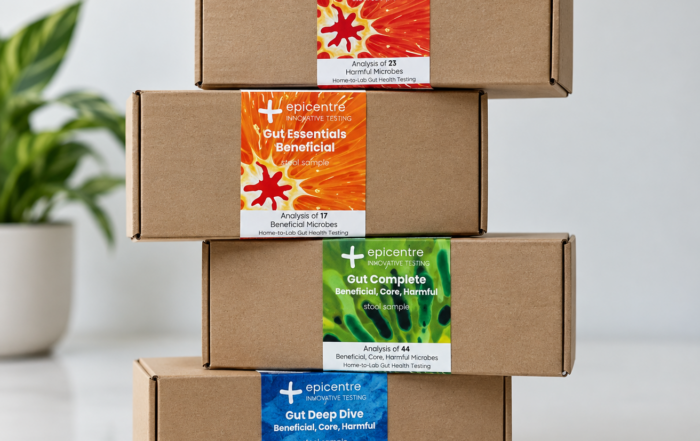
Getting your Clostridium difficile level tested with Epicentre is easy! Book your test online to find out your levels now.


Core and Harmful Gut Microbes
Gut Health News
Keep up to date with all the latest developments within the company right here.