What is Giardia lamblia
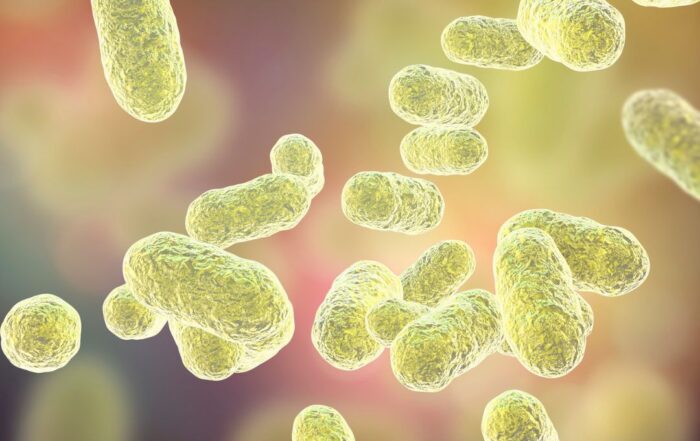
Giardia lamblia, also known as Giardia intestinalis, is a microscopic parasite that causes giardiasis, a common diarrhoeal disease. It lives in the small intestine and can cause symptoms such as watery diarrhoea, stomach cramps, bloating, nausea, and fatigue (Feng & Xiao, 2011). The parasite is spread through the ingestion of cysts, which are hardy, infective forms found in contaminated food, water, or surfaces. After ingestion, the cysts transform into active forms (trophozoites) that attach to the gut lining, where they disrupt nutrient absorption (Robertson & Gajadhar, 2018).
While many infections are mild and resolve on their own, some people—especially those with weakened immune systems or young children—can experience prolonged symptoms, including malnutrition, weight loss, and chronic fatigue (Feng & Xiao, 2011). Infections are most common in places with poor sanitation and are often associated with drinking untreated or contaminated water (Robertson & Gajadhar, 2018).
Giardia lamblia
Giardia lamblia Quick Facts
✔️ What it is: A microscopic parasite that causes giardiasis, a diarrhoeal disease affecting the small intestine (Feng & Xiao, 2011).
✔️ How it spreads: By swallowing cysts found in contaminated food, water, or on surfaces. It is commonly spread in areas with poor sanitation (Robertson & Gajadhar, 2018).
✔️ Symptoms:
Watery diarrhoea, abdominal cramps, bloating, nausea, fatigue, and sometimes vomiting.
Symptoms may last from a few days to several weeks, and some cases may become chronic.
✔️ Who’s most at risk:
People in areas with poor sanitation.
Children, travellers, and those with weakened immune systems are more vulnerable to severe or prolonged illness.
✔️ Treatment:
Antibiotics are used to treat giardiasis.
Rehydration (oral fluids) is important to replace lost fluids and electrolytes.
✔️ Prevention:
Wash your hands regularly with soap, especially after using the toilet or handling food.
Drink clean or treated water, and avoid swallowing water from untreated sources like lakes or rivers.
Wash fruits and vegetables thoroughly before eating.
The Body’s Immune Response to Giardia lamblia
When Giardia lamblia cysts are swallowed, they release active trophozoites in the small intestine, where they attach to the gut lining. The innate immune system responds first. The gut epithelial cells recognise the parasite and release signals such as interleukin-8 (IL-8), which attract white blood cells like neutrophils and macrophages to the site of infection (Müller et al., 2007). These immune cells try to destroy the parasite, but Giardia trophozoites can evade this attack by preventing immune cell activation and survival, and by hiding inside the mucus layer of the gut (Feng & Xiao, 2011).
The adaptive immune system becomes involved to help clear the infection. CD4+ T helper cells (especially Th1 cells) produce interferon-γ (IFN-γ), which activates macrophages to kill infected cells (Kirkpatrick, 2017). Additionally, IgA antibodies produced in the gut mucosa can block the parasite from attaching to the intestinal lining (Roussel et al., 2009). However, Giardia has evolved strategies to evade immune responses, including the ability to shed surface proteins that antibodies typically target, making reinfection possible (Feng & Xiao, 2011). In most healthy individuals, the immune system can control the infection within a few weeks, but in immunocompromised individuals, the infection can persist and become chronic (Robertson & Gajadhar, 2018).
Symptoms of Unhealthy Giardia lamblia Levels
When Giardia lamblia infects the small intestine, it can cause giardiasis, leading to a range of digestive symptoms. The most common symptom is watery diarrhoea, which may come in cycles and last for several weeks. Other symptoms include abdominal cramps, bloating, nausea, loss of appetite, and fatigue (Feng & Xiao, 2011; Robertson & Gajadhar, 2018).
In some cases, dysentery (diarrhoea with blood and mucus) can occur, and patients may experience fever and weight loss due to prolonged malabsorption of nutrients (Roussel et al., 2009). While many people recover with treatment, immunocompromised individuals, such as those with HIV/AIDS, are at risk for chronic infection and more severe symptoms. In children and people with poor nutrition, giardiasis may contribute to stunted growth and malnutrition (Robertson & Gajadhar, 2018).
Giardia lamblia Impact on South Africans’ Gut Health
A prevalent intestinal parasite. Giardia lamblia is a common cause of diarrhoeal illness in South Africa. Studies have shown that the prevalence of Giardia among primary school children in rural areas is notably high. For instance, a study in Mthatha, Eastern Cape, reported a prevalence of 9.9% among primary school children (Nxasana et al., 2013). Similarly, research in rural communities of South Africa found a prevalence of 13.9% (Ngobeni et al., 2022).
Disruption of gut health. Infection with Giardia can lead to symptoms such as watery diarrhoea, abdominal cramps, bloating, and nausea. These symptoms can result in malabsorption of nutrients, leading to weight loss and fatigue. In children, chronic or repeated infections may impair growth and development due to prolonged nutritional deficiencies (Robertson & Gajadhar, 2018).
Impact on the gut microbiome. Giardia infection can alter the composition of the gut microbiota, which plays a crucial role in digestion and immune function. Disruption of the microbiome can contribute to gastrointestinal symptoms and may have long-term health implications (Fekete et al., 2021).
Risk factors in South Africa. Factors contributing to the high prevalence of Giardia in South Africa include poor sanitation, limited access to clean water, and inadequate hygiene practices. Rural areas are particularly affected due to these environmental and infrastructural challenges (Ngobeni et al., 2022).
Supporting Gut Defences Against Giardia lamblia
Giardia lamblia is a parasite that infects the small intestine, causing giardiasis, which leads to symptoms like diarrhoea, abdominal cramps, and fatigue. Strengthening the body’s natural gut defences is crucial for preventing and fighting infection (Feng & Xiao, 2011).
Strengthening the gut microbiome
A healthy and balanced gut microbiome is the first line of defence against infections like Giardia. Beneficial bacteria, such as Lactobacillus and Bifidobacterium, help prevent the parasite from attaching to the intestinal lining by competing for space and nutrients (Roussel et al., 2009). Diets high in fibre, especially from fruits, vegetables, and whole grains, nourish these good bacteria and help maintain a strong gut barrier (Makki et al., 2018). Probiotic foods like yoghurt or supplements can also support the growth of these protective bacteria (Roussel et al., 2009).
Hygiene and food safety
Since Giardia spreads through contaminated water, food, and surfaces, maintaining good hygiene practices is key:
Wash hands thoroughly, especially after using the toilet and before preparing or eating food.
Drink clean or boiled water, especially in areas where sanitation is poor or water sources are unregulated.
Wash fruits and vegetables thoroughly before eating and avoid consuming raw food in high-risk areas.
Treatment and care during infection
If Giardia infection occurs, hydration is essential to replace fluids lost through diarrhoea. Medical treatment typically involves medication that is quite effective at killing the parasite (Robertson & Gajadhar, 2018). For those with chronic infections or weakened immune systems, more intensive treatment may be needed.
Key Takeaways
Healthy gut bacteria protect you: Balanced microbiota and fibre-rich foods help keep harmful parasites in check (Makki et al., 2018).
Prevention through hygiene: Safe water, proper handwashing, and careful food handling are crucial to prevent infection (Feng & Xiao, 2011).
Hydration and treatment are key: Rehydration and antibiotics can clear the infection, and probiotics may support recovery (Robertson & Gajadhar, 2018).
Why Test Your Giardia lamblia Levels With Epicentre
1. Early Detection Prevents Prolonged Illness
Giardia lamblia is a parasite that causes diarrhoea, stomach cramps, bloating, and nausea. The infection can last for weeks or even months if not treated properly, leading to dehydration and malnutrition. Early detection is important to prevent prolonged symptoms and ensure that treatment is started promptly, especially for vulnerable groups such as children, the elderly, and those with weakened immune systems (Adam, 2001; Thompson, 2017).
2. Identify Sources of Infection
Giardia is typically spread through contaminated water, food, or surfaces, particularly in areas with poor sanitation. In South Africa, outbreaks of giardiasis are often linked to unsafe drinking water or contact with untreated water sources such as rivers and lakes. Testing helps identify infected individuals and pinpoint sources of contamination, reducing the risk of spreading the parasite to others (Homan & Mank, 2001).
3. Receive Clear, Actionable Guidance
Epicentre provides patient-friendly reports on your Giardia levels and how the infection may be affecting your gut health. These reports allow healthcare providers to offer personalised advice on hydration, nutrition, and treatment options to help restore gut balance and prevent further complications (Thompson, 2017).
4. Relevant Across All Communities
Although Giardia is more common in areas with poor sanitation, it can affect urban, rural, and middle- to upper-class households through contaminated food or water. Testing ensures that all South Africans, regardless of socioeconomic status, can take steps to protect their gut health and avoid recurring infections (Adam, 2001).
✅ In short: Testing for Giardia lamblia with Epicentre gives early detection, helps prevent the spread of infection, and provides actionable steps to protect gut health for all South Africans.


Core and Harmful Gut Microbes
Gut Health News
Keep up to date with all the latest developments within the company right here.